What Calorie Counting Actually Measures
A calorie is a unit of energy - specifically, the amount of heat needed to raise one gram of water by one degree Celsius. In nutrition, we use kilocalories (kcal), though food labels in the U.S. simply call them calories. Counting them means tracking how much potential energy you consume versus how much your body uses.
This framework has real value. Energy balance - consuming roughly as much as you expend - is a legitimate factor in weight management, and calorie awareness can help people identify portions they may be underestimating. Research consistently shows that many people misjudge serving sizes. See our guide on portion perception for what the evidence shows about how visual cues mislead us.
But the calorie count on a label is a single number representing a complex biological process. Your body does not respond to all calories identically - and that's where the story gets more complicated.
The Case For Calorie Counting
Despite its limitations, tracking calories has genuine advantages worth acknowledging honestly.
Builds awareness of energy intake quickly
Many people are surprised by how calorie-dense common foods are until they begin paying attention. Even a short period of tracking can recalibrate everyday food decisions.
Creates a concrete, measurable target
For people who respond well to structure, having a numerical goal provides clear feedback and can reduce decision fatigue around portion sizes.
Widely supported by accessible tools
Calorie information appears on nearly all packaged food labels in the U.S., making it one of the most accessible data points available to everyday shoppers.
Can reveal hidden energy in beverages
Liquid calories from juices, sweetened drinks, and alcohol are frequently underestimated; counting often brings these into focus for the first time.
For people who have little awareness of how much energy common foods contain, counting can be a revelatory educational exercise - even briefly. It often reveals that certain processed snacks or beverages are far more energy-dense than expected, while whole foods like vegetables provide volume with relatively few calories.
Where Calorie Counting Falls Short
The number of calories in a food tells you almost nothing about what else comes with them. Consider two 200-calorie foods: a handful of almonds versus a small bag of pretzels. Both register identically on a calorie tracker, but they differ in protein, healthy fats, fiber, vitamins, minerals, and how long they keep you satisfied.
Ignores nutrient quality and density entirely
A calorie from white sugar and a calorie from broccoli deliver vastly different vitamins, minerals, and fiber. The number alone gives no indication of nutritional value.
Doesn't account for satiety differences
Protein and fiber influence hunger hormones and how long you feel full. Two equally caloric meals can produce very different hunger levels two hours later.
Calorie counts on labels carry measurement variability
The FDA allows a margin of error on nutrition label values, and cooking methods can meaningfully alter how many calories your body actually absorbs from a given food.
Can create an unhelpful relationship with food numbers
For some people, rigid numerical tracking increases anxiety or obsessive thinking around eating. This can undermine the intuitive awareness that supports long-term healthy eating patterns.
Misses the impact of ultra-processed food formulation
Highly processed foods are often designed to override natural fullness signals. A low-calorie ultra-processed snack may still prompt overeating in a way a higher-calorie whole food does not.
This is the concept of nutrient density - how much nutritional value a food delivers per calorie. A diet optimized purely around calorie limits could, in theory, be built entirely from low-nutrient foods and still "hit the number." Our explainer on nutrient density breaks down how to apply this concept practically.
Calories Absorbed Can Vary by Preparation
How food is cooked and how finely it is processed affects how many calories your body actually extracts from it. For example, whole almonds yield fewer absorbed calories than almond butter of the same weight, because intact cell walls slow digestion. This means the calorie figure on a label reflects a standardized estimate, not a precise biological outcome. You can learn more about reading these estimates accurately in our field guide to Nutrition Facts labels.
Processing level is another dimension calories can't capture. Highly processed foods are often engineered to be easy to overconsume - their texture, flavor, and structure can work against natural hunger signals, regardless of what the calorie count says.
A More Complete Way to Think About Food
Moving beyond pure calorie math doesn't mean abandoning structure - it means adding context. A few practical shifts can help:
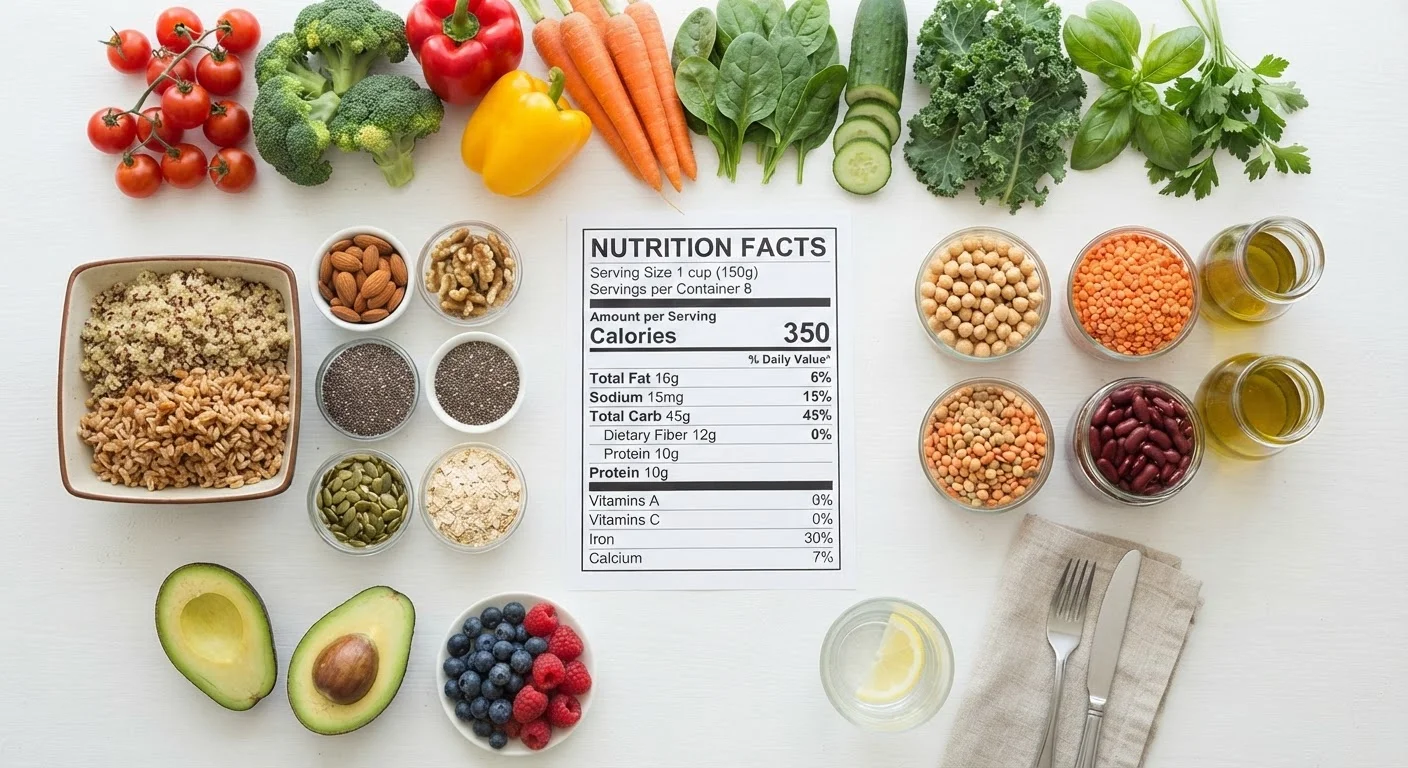
- Look past the calorie line on a Nutrition Facts label. Check fiber, protein, added sugars, and sodium. Our guide to reading nutrition labels explains what each section actually tells you.
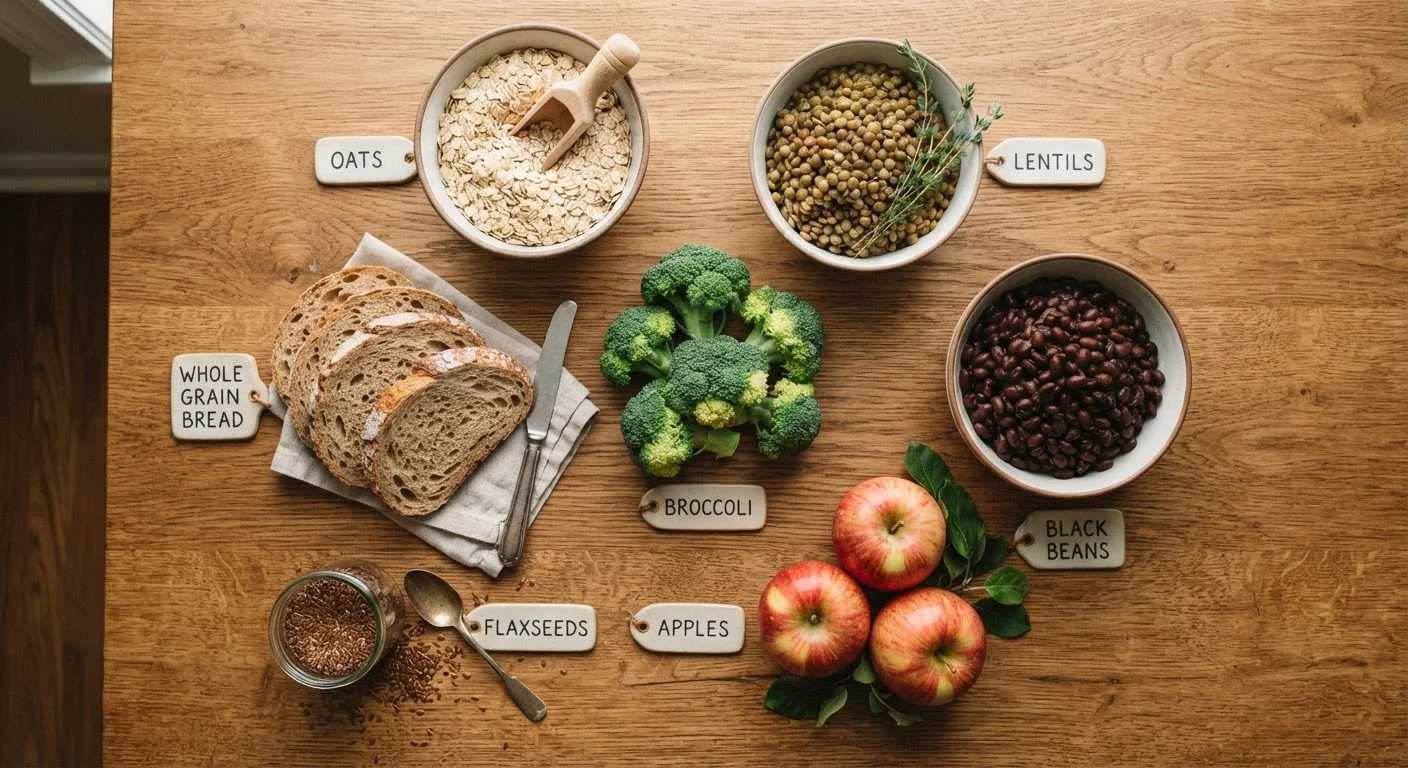
- Pay attention to satiety signals. Foods high in protein and fiber tend to promote fullness more effectively than calorie-equivalent refined foods. Eating more satiating foods can naturally moderate overall intake without precise tracking.
- Consider the ingredient list alongside the label. A short list of recognizable ingredients often signals less processing, regardless of the calorie figure.
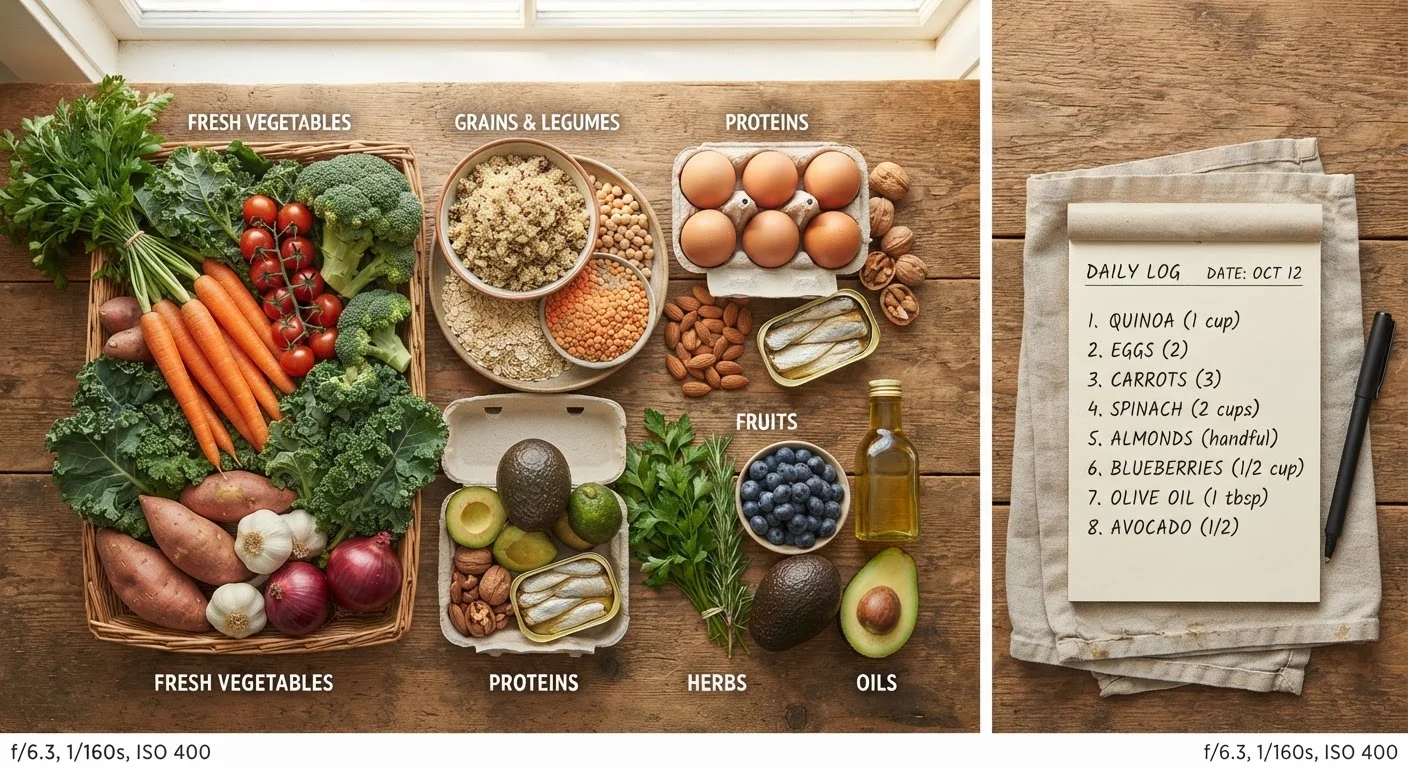
If you want a practical framework for assembling meals that deliver real nutritional balance, see Building a Balanced Plate. And if conflicting nutrition headlines have left you unsure what to trust, Nutrition Information Overload identifies the patterns most likely to lead home cooks astray.
~20%
Typical label calorie measurement margin of error
The FDA permits packaged food calorie counts to deviate by up to 20% from actual values, meaning the number on the label is an approximation.
2x+
Thermic effect difference: protein vs. fat
Research indicates the body expends roughly 20-30% of protein calories during digestion, compared to just 0-3% for dietary fat - a factor calorie counts do not reflect.
This article is for general informational and educational purposes only and is not a substitute for professional medical or dietary advice. Consult a qualified healthcare provider or registered dietitian for guidance tailored to your individual health needs.