Why Calories Alone Don't Tell the Full Story
For decades, many people were taught to think about food primarily in terms of calories - eat fewer, weigh less. That framing isn't wrong exactly, but it's incomplete. Two foods can contain identical calories and look identical on a basic count while offering dramatically different amounts of nutrition. A 200-calorie serving of plain white crackers and a 200-calorie serving of cooked lentils are in the same caloric neighborhood. But the lentils bring along protein, fiber, iron, folate, and potassium. The crackers, by comparison, offer relatively little beyond the energy itself.
This is where nutrient density becomes a genuinely useful tool. Rather than asking only "how many calories does this have?" you start asking "what does this food give me per calorie?" It shifts the evaluation from a single number to a fuller picture of food value.
If you've ever felt overwhelmed by competing nutrition advice, you're not alone. Our guide to common nutrition information pitfalls explores why so many of these simplified rules lead people astray.
How Nutrient Density Works in Practice
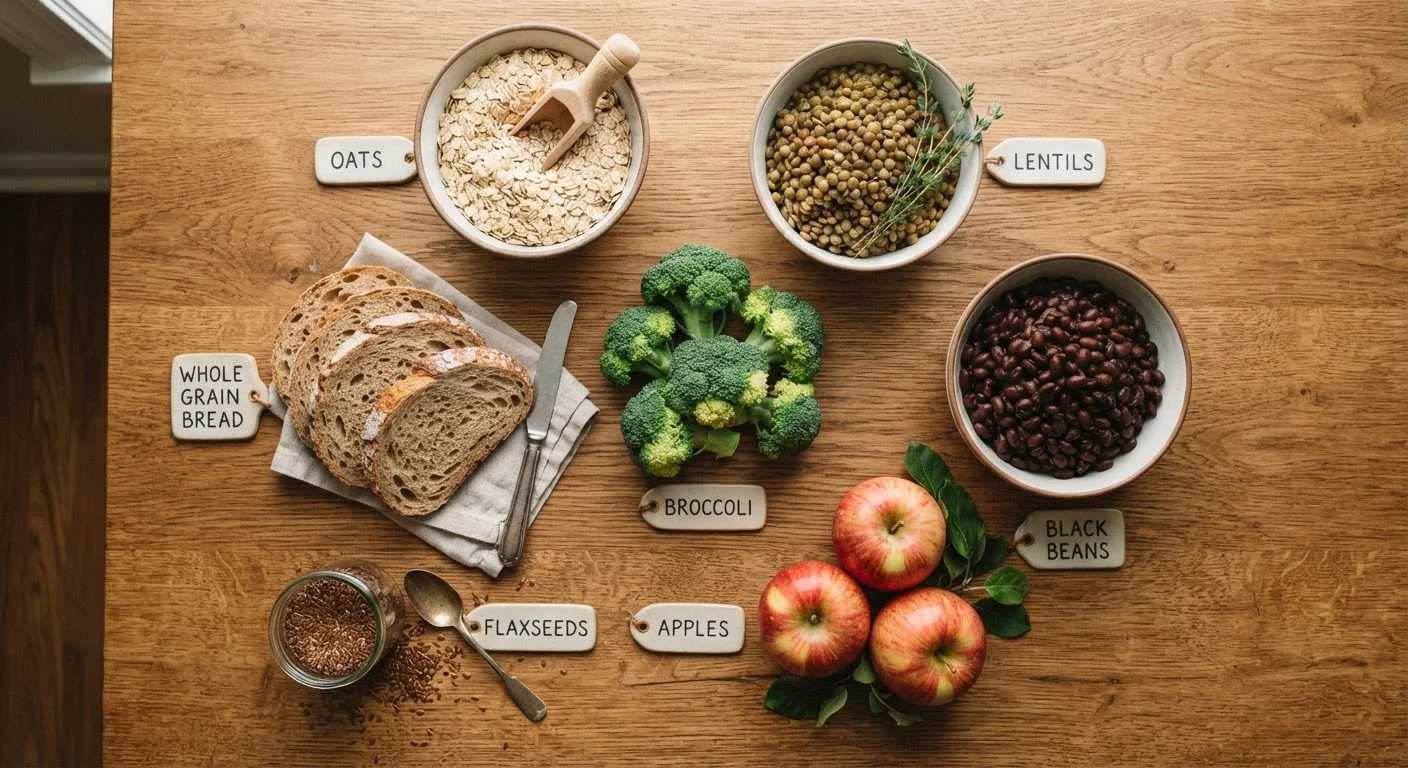
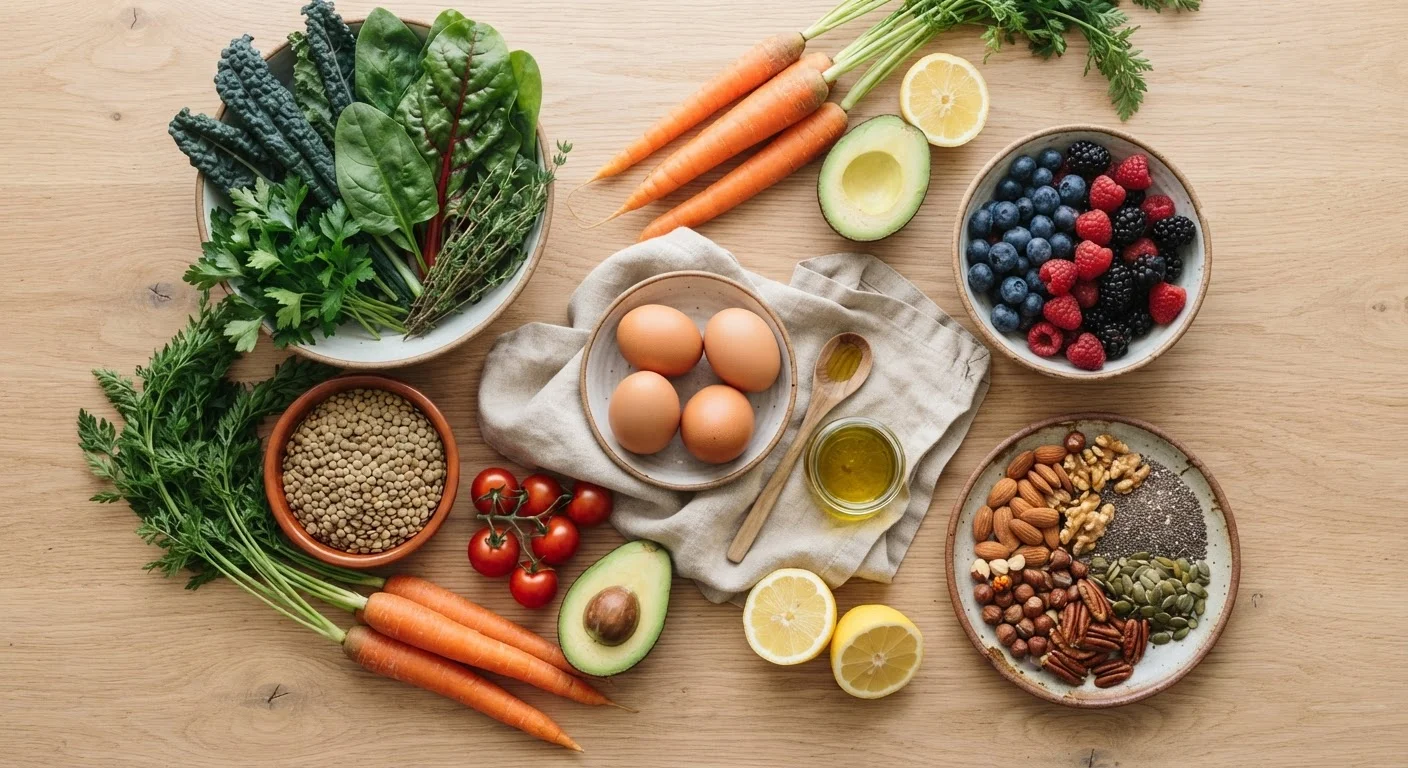
Applying nutrient density doesn't require a calculator or a science degree. It starts with recognizing a few patterns. Whole, minimally processed foods - vegetables, fruits, legumes, whole grains, lean proteins, and dairy or fortified alternatives - consistently pack more nutrients per calorie than their heavily processed counterparts. Foods built largely from refined flour, added sugar, and industrial fats tend to deliver energy without much else.
~90%
Americans falling short on vegetables and fruits
According to CDC dietary data, roughly 9 in 10 Americans do not meet federal recommendations for vegetable and fruit intake - two of the primary sources of nutrient-dense foods.
57%
Of U.S. daily calories from ultra-processed foods
Research published in BMJ Open estimated that ultra-processed foods - typically low in nutrient density - account for more than half of daily caloric intake among American adults.
3x
More potassium in lentils vs. white bread (per 100 cal)
USDA FoodData Central figures show that cooked lentils provide roughly three times more potassium per 100 calories than standard white sandwich bread, illustrating how dramatically nutrient density varies between staple foods.
That said, nutrient density is relative, not absolute. Context matters. Olive oil, for instance, is very high in calories and contributes little in the way of vitamins or minerals - yet it provides monounsaturated fats and polyphenols with well-documented associations with cardiovascular health. A rigid nutrient-density score might penalize it unfairly. The concept works best as a thinking tool, not a strict ranking system.
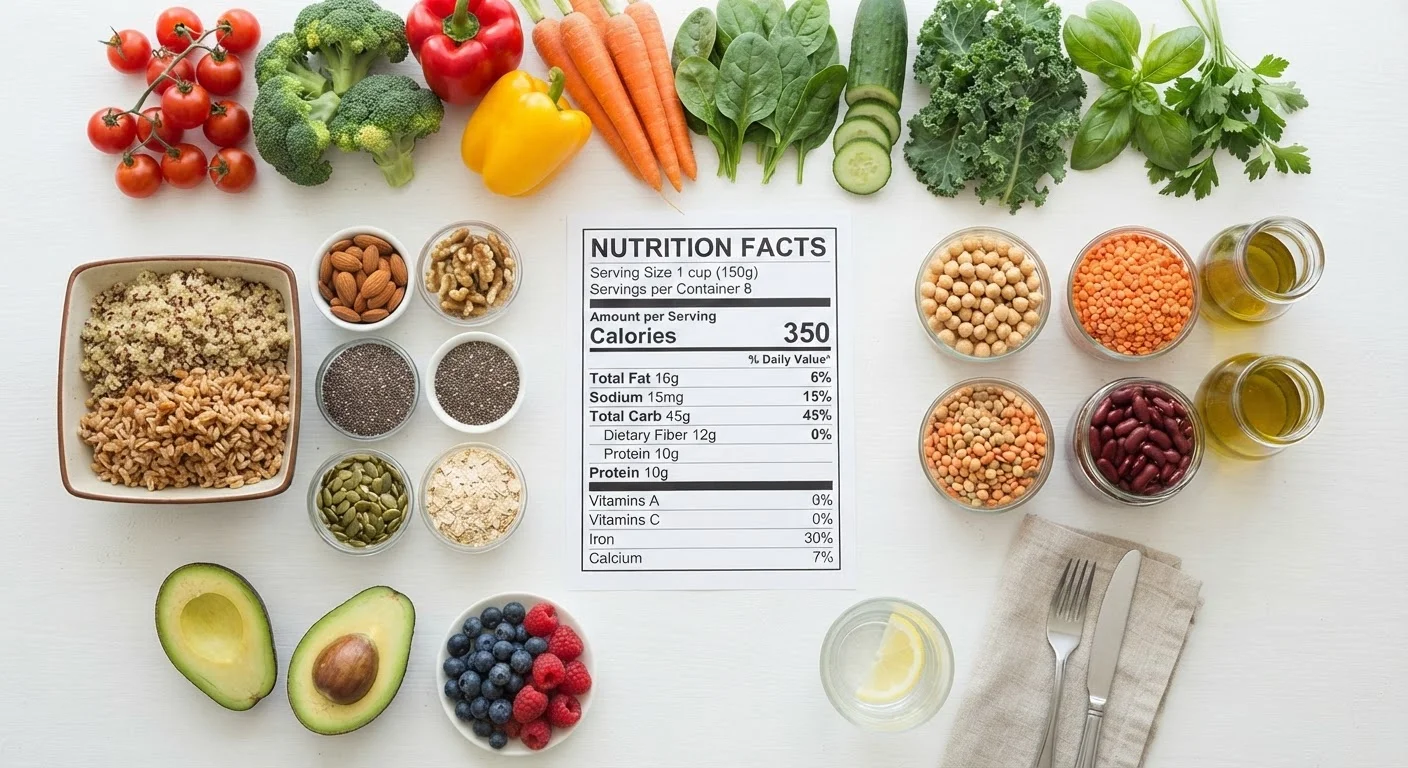
When you're reading food labels, paying attention to vitamins, minerals, fiber, and protein relative to calorie count gives you a quick sense of a food's nutritional workload. Our field guide to reading Nutrition Facts labels can help you decode that information accurately.
Nutrient Density Across Different Life Stages
One nuance worth understanding: what makes a food particularly nutrient-dense depends partly on who is eating it. A growing teenager needs more calcium and iron than a middle-aged adult. Older adults often benefit from additional vitamin D, B12, and protein to support bone health and muscle maintenance. Pregnant individuals require substantially more folate and iron. This means the same food can be especially valuable for one person and merely adequate for another.
For a deeper look at how nutritional needs shift from childhood through older adulthood, see our overview of how dietary needs change across life stages. The nutrient density framework adapts well to these shifts - the core principle stays the same even as the specific priorities change.
This article is for general informational purposes only and is not a substitute for personalized medical or dietary advice. Consult a qualified healthcare professional or registered dietitian for guidance specific to your health needs.
Putting It Into Your Kitchen Routine
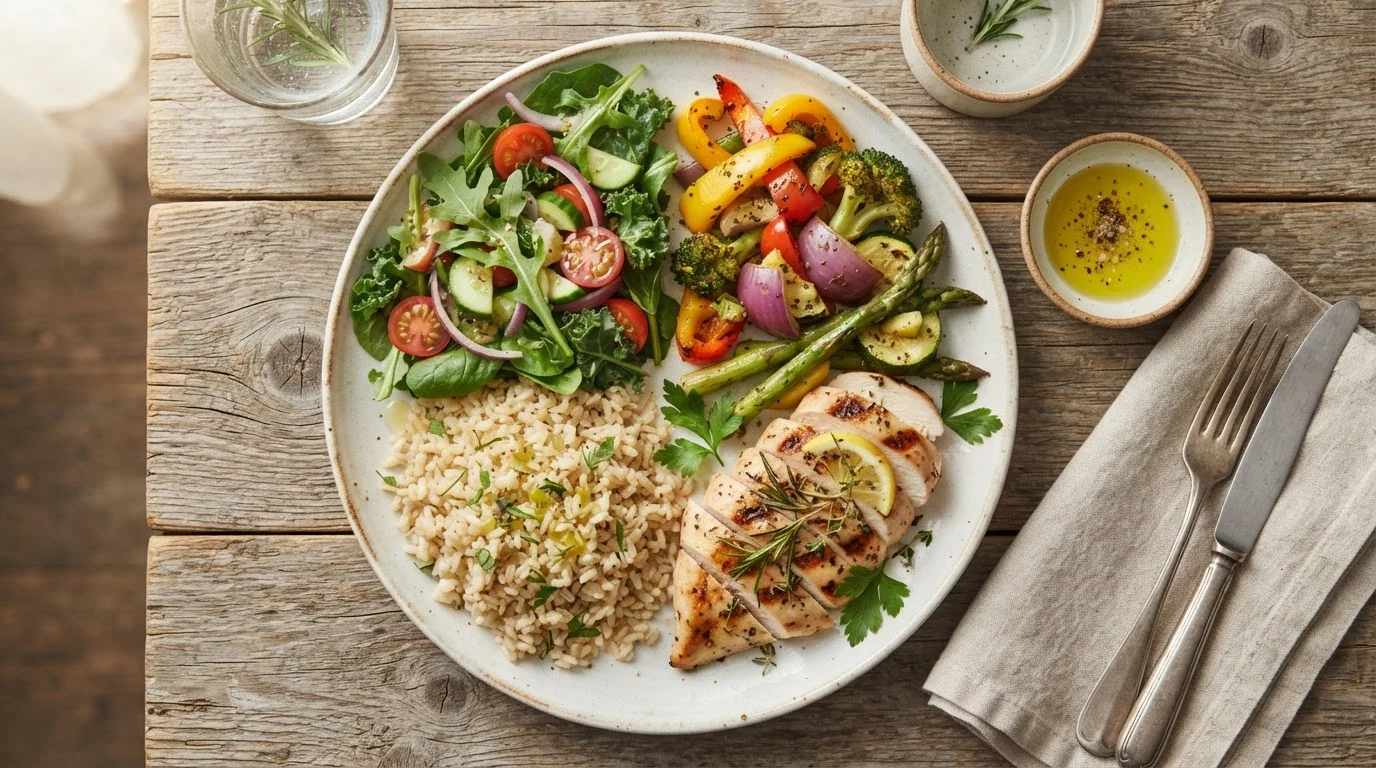
The most practical application of nutrient density is surprisingly simple: crowd in, rather than cut out. Instead of eliminating foods you enjoy, focus first on adding more nutrient-dense options to meals. Toss a handful of spinach into a pasta dish. Swap white rice for a farro and white rice blend occasionally. Add lentils or beans to soups that normally rely solely on broth and noodles.
You don't need to memorize scores or track every micronutrient. A broad pattern of eating foods that are as close to their natural state as possible - supplemented by minimally processed staples - naturally moves your diet toward greater nutrient density over time. For a plain-language glossary of the nutrition terms you'll encounter as you explore these concepts further, our practical reference guide to common nutritional terms is a helpful starting point.
Understanding nutrient density is one piece of a broader nutrition literacy puzzle. Explore more clear, research-grounded guidance through our Nutrition Basics hub.