
Why Nutrition Confusion Is a Structural Problem
Every week brings a new headline: a beloved food is suddenly harmful, a banned ingredient is back in favor, or a single nutrient is credited with transforming health. For home cooks trying to do right by their families, this noise isn't just annoying - it actively shapes cooking decisions in ways that can undermine good nutrition over time.
The problem isn't a lack of information. It's a surplus of oversimplified, decontextualized information. Nutrition science is genuinely complex, and most headlines flatten that complexity into a rule that feels actionable but is rarely the full picture. Understanding the patterns of misinformation - not just the individual myths - helps you filter what's worth acting on. For a broader look at how persistent myths distort everyday eating, see common nutrition myths examined against the evidence.
Common Mistakes Home Cooks Make With Nutrition Information
These aren't failures of willpower or intelligence - they're predictable responses to a confusing information environment. Recognizing each pattern is the first step to breaking it.
Treating a single nutrient as the hero or villain of your diet.
Why it happens: Headlines are built around simplicity - 'sugar is toxic' or 'protein is everything' - because they're shareable. Readers naturally absorb the shorthand rather than the nuance behind it.
Adopting an elimination rule based on a viral trend rather than sustained evidence.
Why it happens: Social media rewards dramatic claims and personal transformation stories. A single influencer cutting out a food group and reporting dramatic results feels more compelling than a decade of cohort studies.
Ignoring how cooking methods change a food's nutritional profile.
Why it happens: Most nutrition information is presented as if food arrives on your plate in its raw, measured form. Home cooks rarely account for how heat, water, and fat affect nutrient bioavailability.
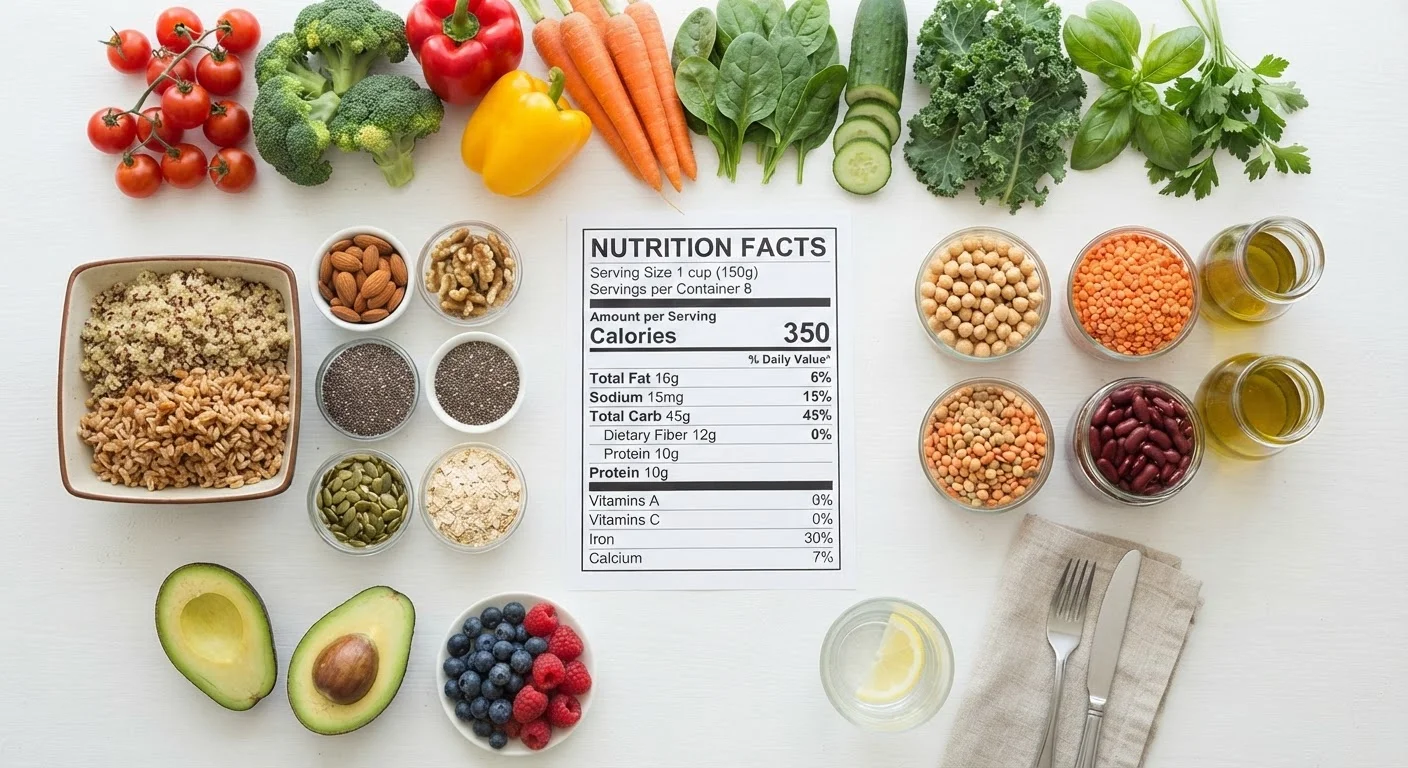
Misreading Nutrition Facts labels and applying them incorrectly to home cooking.
Why it happens: Serving sizes on packaged foods are often smaller than what people actually eat, and the % Daily Values are based on general reference amounts that may not match an individual's needs.
Assuming 'natural' or 'clean' labeling language signals nutritional superiority.
Why it happens: Marketing terms like 'natural,' 'clean,' and 'whole' aren't consistently regulated and are designed to trigger positive associations rather than convey specific nutritional information.
Stepping back from individual rules toward a broader eating pattern is one of the most research-supported moves you can make. Population-level nutrition research consistently shows that overall dietary habits matter far more than any single food or ingredient.
Building a More Reliable Filter for Nutrition Advice
Don't Mistake Noise for Updated Science
A new study contradicting previous guidance doesn't automatically mean the science has changed - it often means one piece of a larger puzzle has been added. Single studies, especially small or short-term ones, rarely overturn decades of consistent findings. Before adjusting your cooking or eating habits based on a headline, look for whether major nutrition and health organizations have updated their guidance in response. If they haven't, caution is warranted.
When evaluating any nutrition claim, ask a few grounding questions: Is this based on a single short-term study or a body of long-term research? Does it require eliminating entire food groups? Does the claim benefit from selling you something? These filters won't catch everything, but they'll intercept most of the noise.
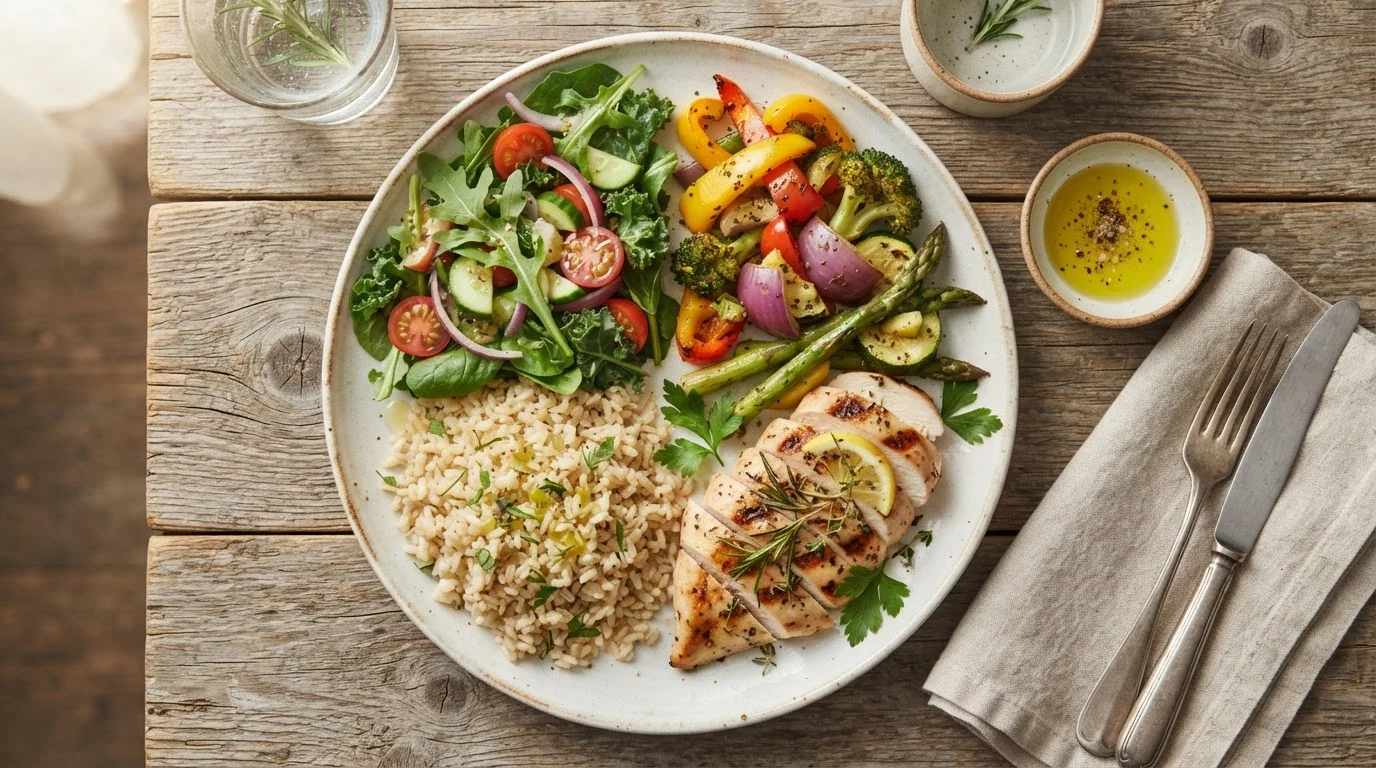
Practically speaking, anchor your cooking in variety, minimally processed whole foods, and balanced meals - then evaluate new information against that baseline rather than replacing it. The balanced plate framework offers a flexible, evidence-informed way to structure everyday meals without obsessive tracking. And when you're shopping, consistent grocery habits make it easier to put that framework into practice all week long.
This article is for general informational and educational purposes only and is not a substitute for advice from a qualified healthcare professional or registered dietitian.