How Food Scientists Actually Define These Categories
The terms "whole foods" and "ultra-processed foods" get tossed around constantly, but they come from a real scientific framework called the NOVA classification system, developed by researchers at the University of São Paulo. NOVA divides foods into four groups based on the extent and purpose of processing - not just whether something comes in a package.
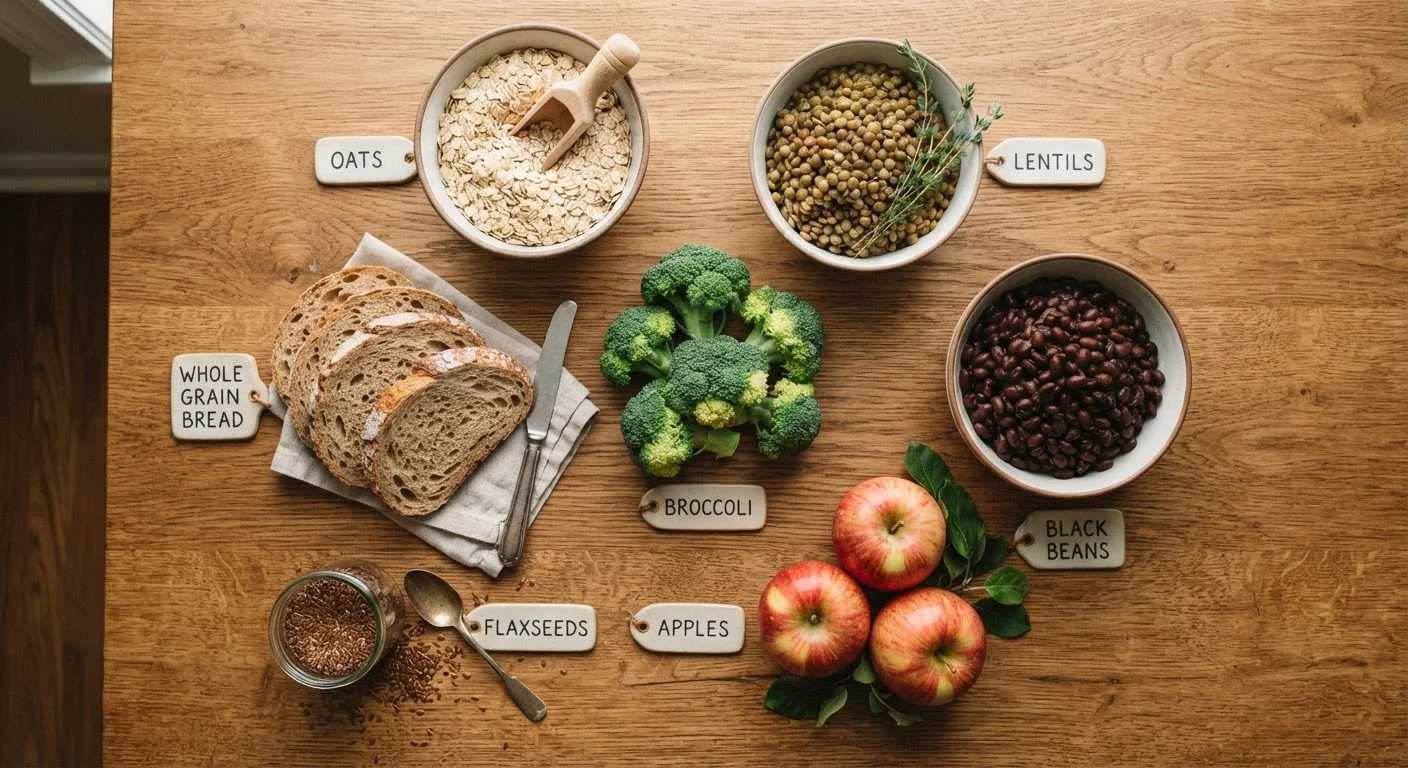
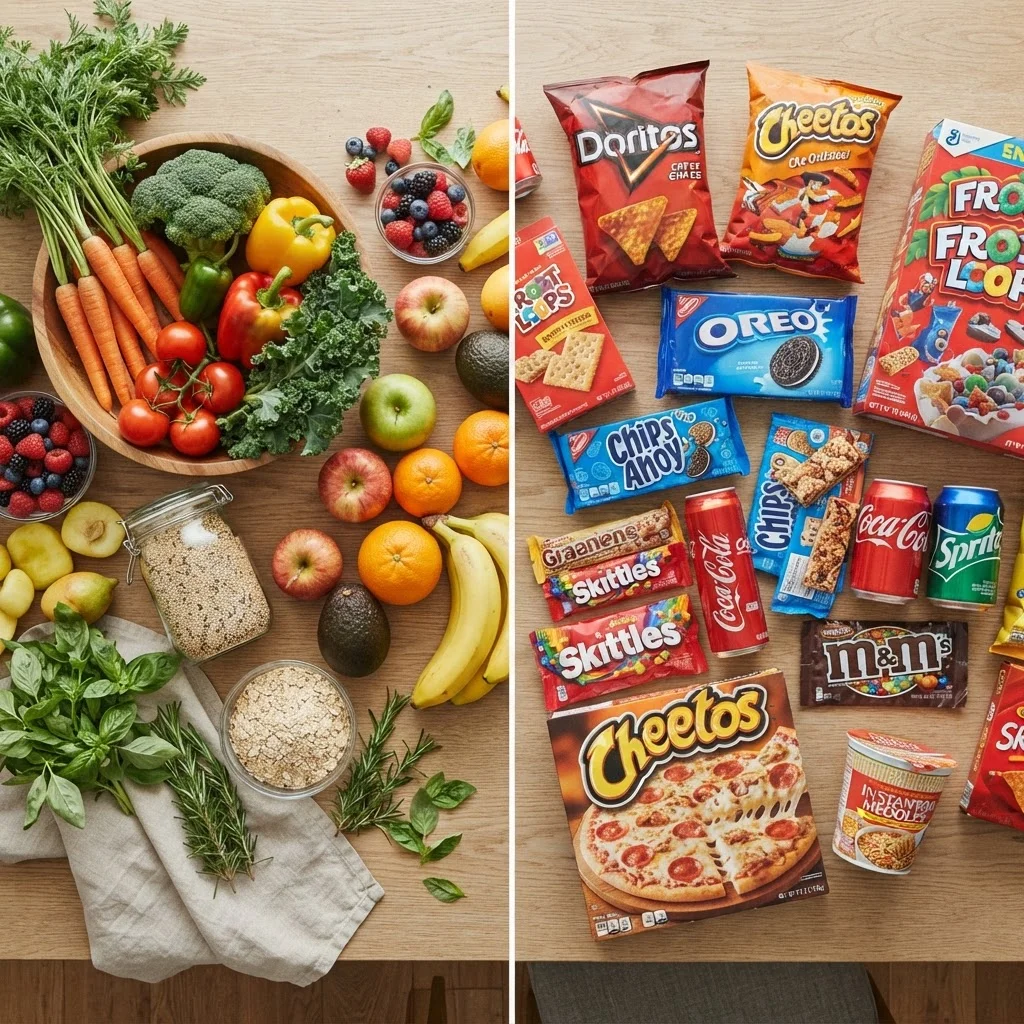
Whole foods (NOVA Group 1) are unprocessed or minimally processed: fresh fruits, vegetables, legumes, eggs, plain meats, nuts, and whole grains. Any processing involved - like washing, chilling, or grinding - preserves the food without fundamentally altering its nutritional character.
Ultra-processed foods (NOVA Group 4) are industrial formulations that go far beyond simple preservation. They typically contain ingredients you wouldn't find in a home kitchen - emulsifiers, artificial flavors, hydrogenated oils, high-fructose corn syrup, and color additives. Think packaged snack cakes, flavored chips, many breakfast cereals, reconstituted meat products, and sugary carbonated drinks.
Between these two extremes sit processed culinary ingredients (Group 2, like olive oil or salt) and processed foods (Group 3, like canned beans or natural cheese). Not all processed foods are problematic - the critical distinction is ultra-processing, which changes a food's matrix in ways that affect how your body responds to it.
| Criterion | Whole Foods | Ultra-Processed Foods |
|---|---|---|
| Definition | Unprocessed or minimally processed | Industrially formulated with multiple additives |
| Ingredient list | Short, recognizable ingredients | Long, includes lab-derived compounds |
| Food matrix | Intact; supports slower digestion | Disrupted; alters nutrient absorption |
| Fiber content | Naturally high in most cases | Often removed or significantly reduced |
| Satiety response | Promotes fullness more reliably | May override natural satiety signals |
| Shelf life | Shorter; requires fresher handling | Extended via preservatives and processing |
| Research associations | Linked to lower chronic disease risk | Linked to higher risk in observational studies |
| Examples | Apples, lentils, oats, eggs, nuts | Flavored chips, packaged pastries, diet sodas |
Why Ultra-Processing Changes More Than the Ingredient List
It's tempting to evaluate foods purely by their macronutrient content - calories, fat, protein, carbohydrates. But ultra-processing affects food in ways a nutrition label can't fully capture. The food matrix - the physical structure that determines how nutrients are absorbed and how quickly digestion occurs - is often destroyed or fundamentally restructured during ultra-processing.
For example, whole oats are digested slowly because their fiber structure remains intact. A heavily processed oat-based breakfast bar may list similar carbohydrate grams, but its disrupted matrix leads to faster glucose absorption. That difference matters for satiety and blood sugar regulation, even if the calorie counts look nearly identical.
57%
Share of calories from ultra-processed foods in average U.S. diet
According to a study published in the BMJ using National Health and Nutrition Examination Survey data.
~10-15%
Higher energy intake when eating ultra-processed vs. unprocessed diet
A controlled NIH clinical trial found participants consumed significantly more calories when given ultra-processed food access, even when matched for offered nutrients.
Group 4
NOVA classification level for ultra-processed foods
The NOVA system, developed at the University of São Paulo, categorizes foods into four groups based on processing extent and purpose.
Ultra-processed foods are also engineered to override your body's natural satiety signals. The precise calibration of fat, salt, and sugar - sometimes called the "bliss point" in food science - makes it physiologically harder to stop eating at an appropriate portion. This is a formulation choice, not a willpower failure.
Researchers have also flagged the role of additives. While most individual additives are considered safe at regulated levels, their combined effects - and how they interact with gut microbiota - remain an active area of investigation. The science is evolving, and it's worth staying informed as evidence develops.
For a deeper look at one specific driver of ultra-processed palatability, understanding the difference between natural and added sugars is a practical next step.
Making the Shift: Practical Strategies That Actually Work
Reducing ultra-processed foods doesn't mean strict elimination or expensive overhauls. Research on dietary patterns vs. fad diets consistently shows that sustainable, gradual change outperforms short-term restriction. Here's how to apply that principle:
- Use the ingredient list, not the front label. If the first five ingredients include substances you wouldn't cook with at home - like modified starch isolate, sodium stearoyl lactylate, or maltodextrin - it's likely ultra-processed regardless of what the packaging claims.
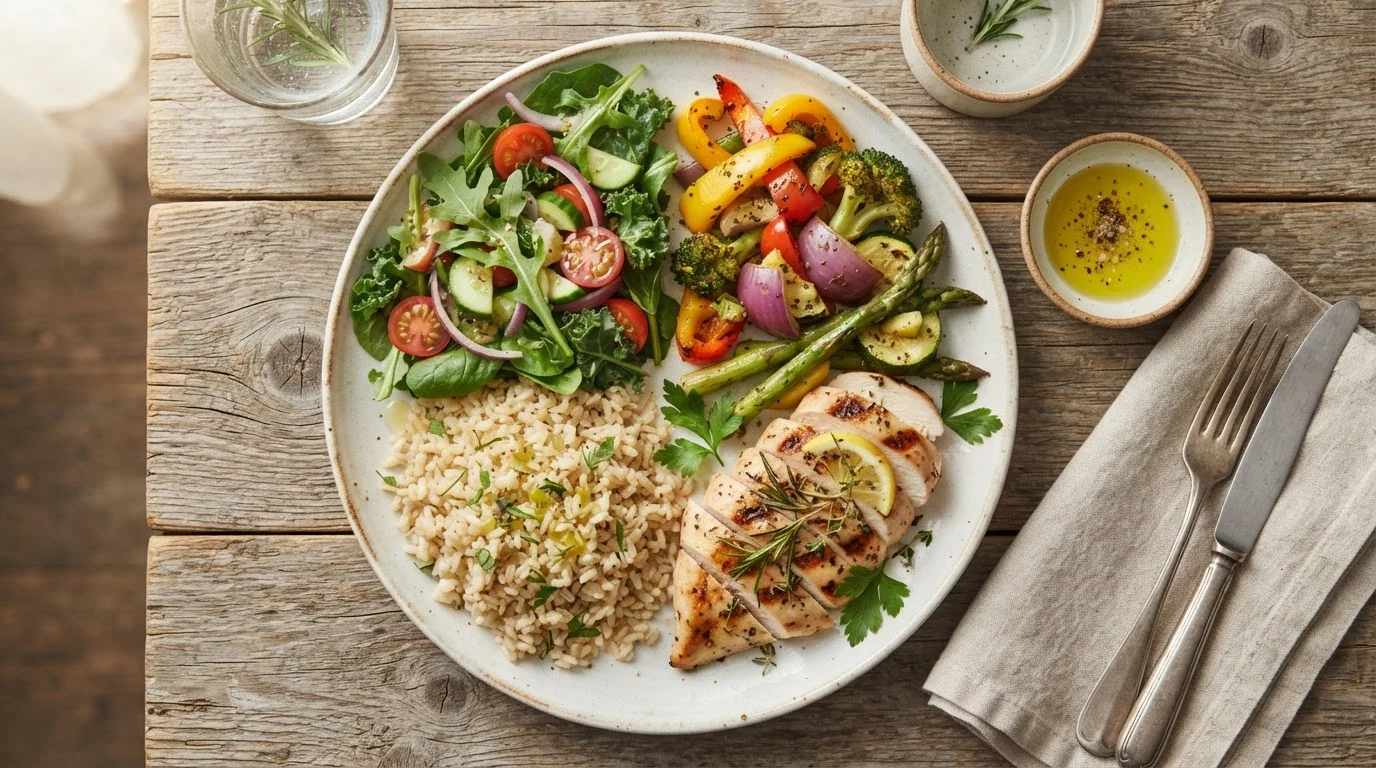
- Build meals around whole-food anchors. Start with a vegetable, a legume, a whole grain, or a plain protein, then add flavor with minimally processed ingredients like olive oil, herbs, or plain yogurt.
- Swap one item at a time. Replacing a daily ultra-processed snack with a handful of nuts, a piece of fruit, or plain popcorn is a meaningful shift without requiring an entire pantry reset.
- Plan for convenience honestly. Ultra-processed foods often win because they're quick. Keeping washed fruit, hard-boiled eggs, or canned legumes on hand addresses the same need without the industrial additives.
Grocery shopping habits shape your entire week - what you bring home determines what's available when hunger strikes. Small, consistent choices at the store translate directly to better options at the table.
This article is for general informational and educational purposes only and is not a substitute for professional medical or dietary advice. Consult a qualified healthcare provider or registered dietitian for personalized guidance.