
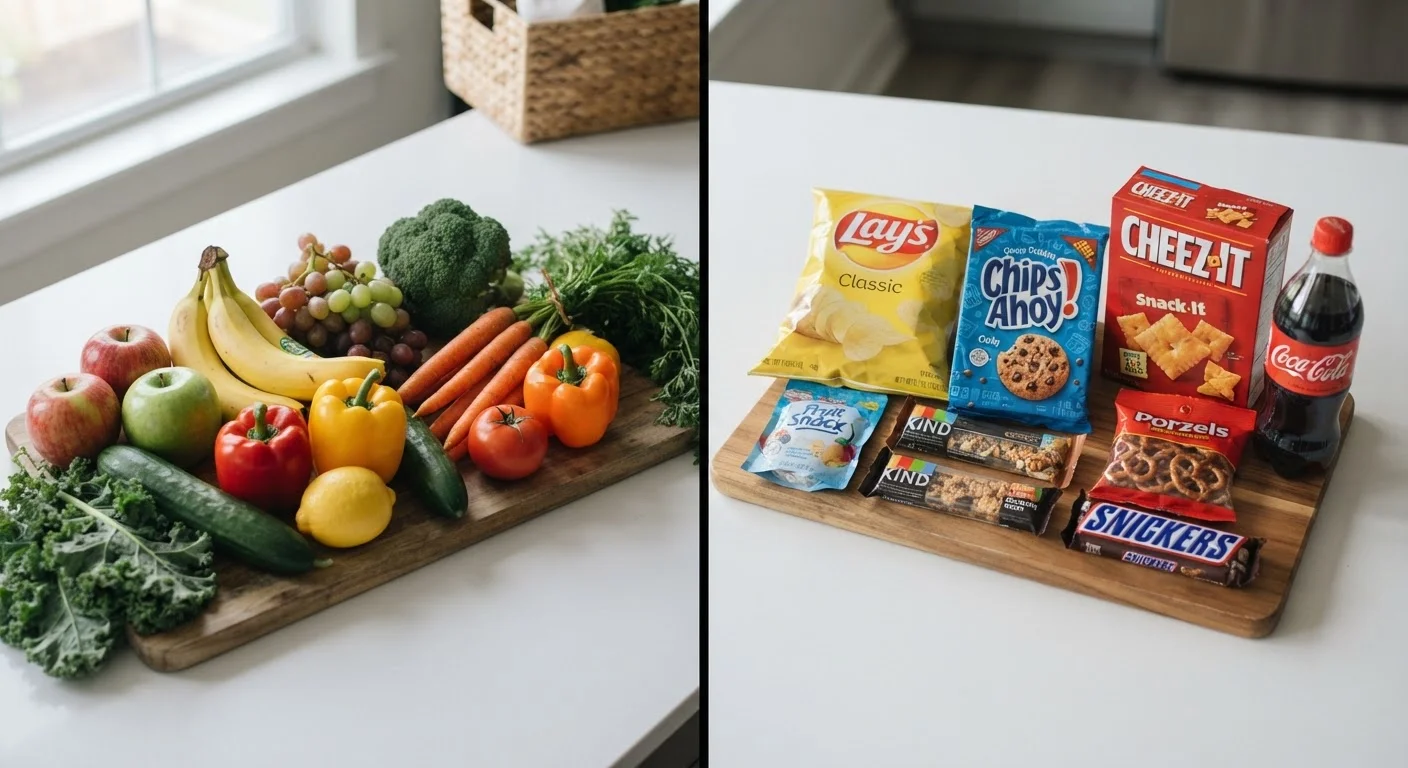
What Does 'Processing' Actually Mean?
The word "processed" gets used as a blanket term for unhealthy food, but the reality is far more layered. Food processing refers to any deliberate change applied to a food from its harvested or raw state - and that definition encompasses an enormous range of techniques. Washing, cutting, cooking, pasteurizing, fermenting, freezing, and adding salt or preservatives are all forms of processing.
The NOVA classification system, developed by researchers at the University of São Paulo and widely referenced in nutrition science, organizes foods into four groups based on the extent and purpose of processing - from unprocessed or minimally processed foods (Group 1) to ultra-processed food products (Group 4). This framework is useful precisely because it resists the binary of "processed vs. unprocessed" and instead asks how much and why.
Understanding this spectrum is foundational to making sense of nutrition guidance. See the practical reference guide to common nutritional terms for plain-language definitions of key vocabulary like bioavailability and nutrient density that come into play throughout this comparison.
| Criterion | Whole Foods | Processed Foods |
|---|---|---|
| Definition | Unaltered from natural state | Any food changed from raw form |
| Nutrient retention | Generally high | Varies widely by method |
| Fiber content | Naturally present | Often reduced or removed |
| Added sugars/sodium | None | Common in ultra-processed items |
| Shelf life | Shorter, perishable | Extended through processing |
| Convenience | Requires more prep time | Often ready-to-eat or quick |
| Cost | Variable; some items costly | Often more affordable |
| Health research association | Consistently positive outcomes | Mixed; depends on processing level |
Whole Foods: What the Research Says
Whole foods - think fresh vegetables, fruits, legumes, nuts, seeds, whole grains, and unprocessed meat or fish - retain their naturally occurring nutrient profiles. That includes dietary fiber, vitamins, minerals, and phytonutrients (plant-based compounds associated with various health benefits) that can be diminished or removed during intensive processing.
Epidemiological research consistently associates diets rich in whole foods with lower rates of cardiovascular disease, type 2 diabetes, and certain cancers. The Mediterranean dietary pattern, one of the most studied in nutritional science, derives much of its documented benefit from a high proportion of whole and minimally processed foods.
That said, whole foods are not automatically superior in every circumstance. Cooking tomatoes, for instance, increases the bioavailability of lycopene - a carotenoid antioxidant - compared to eating them raw. Fermented foods like yogurt are technically processed, yet they contribute beneficial probiotics. The relationship between food form and health outcome is genuinely complex.
Processed Foods: A Category That Covers a Lot of Ground
Canned chickpeas, frozen broccoli, rolled oats, plain Greek yogurt, and bagged spinach are all processed. So are fast-food meals engineered with emulsifiers, flavor enhancers, and modified starches. Lumping them together misrepresents what the evidence actually shows.
Research most consistently links negative health outcomes to ultra-processed foods - products manufactured with industrial ingredients rarely found in home kitchens, designed primarily for palatability and shelf life rather than nutrition. Think packaged snack cakes, reconstituted meat products, and sugary drinks. For a deeper look at this distinction, see how ultra-processed foods differ from minimally processed options.
Minimally processed foods, by contrast, often preserve most of their original nutrient content. Frozen vegetables are typically frozen within hours of harvest, locking in vitamins that might otherwise degrade during long fresh-produce supply chains. Canned fish provides the same omega-3 fatty acids as fresh. The processing method and ingredient list matter far more than whether a food came in a package.
Added sugars are a particularly useful signal when evaluating processed foods. The difference between natural and added sugars can help clarify why two products with similar calorie counts may affect the body very differently.
57%
Share of U.S. calories from ultra-processed foods
A study published in BMJ Open estimated that ultra-processed foods account for roughly 57% of total daily caloric intake among American adults.
4 groups
NOVA food processing classification levels
The NOVA system, developed at the University of São Paulo, categorizes all foods across four tiers from unprocessed to ultra-processed.
28%
Lower cardiovascular risk linked to whole-food diets
Research published in the Journal of the American College of Cardiology has associated high adherence to whole-food plant-based diets with meaningfully lower cardiovascular disease risk.
Making Practical Sense of This in Daily Life
The most actionable takeaway is to look beyond the binary. Rather than avoiding all packaged food, focus on ingredients. A short ingredient list featuring recognizable whole-food components is generally a more reliable indicator of quality than a "natural" label or packaging design.
Grocery shopping habits that support better nutrition over time can help translate these principles into consistent, realistic choices at the store. Building meals around whole-food foundations - vegetables, legumes, whole grains, plain proteins - while incorporating minimally processed convenience items where needed is a workable and evidence-grounded approach for most people.
If you have specific health conditions or dietary needs that make food choices more complex, consulting a registered dietitian is the most reliable path to personalized guidance. This article provides general nutritional information and is not a substitute for professional medical or dietary advice.
This article is for informational purposes only and is not medical advice. Always consult a qualified healthcare professional for guidance tailored to your individual health needs.