
What Makes a Sugar 'Natural' or 'Added'?
The terms natural sugars and added sugars describe where sugar comes from in a food - not what the sugar molecule itself looks like. Fructose in a strawberry and fructose in a flavored yogurt are chemically similar, but the context surrounding each one changes how your body processes it.
Natural sugars are those found inherently in whole foods: lactose in milk, fructose in fruit, sucrose in beets. They arrive bundled with fiber (in the case of whole fruit), protein, fat, water, vitamins, and minerals. Added sugars are any sugars or caloric sweeteners - cane sugar, high-fructose corn syrup, honey, agave nectar, maple syrup - that manufacturers, cooks, or consumers add to food during processing or preparation. They supply sweetness and calories without the surrounding nutritional matrix.
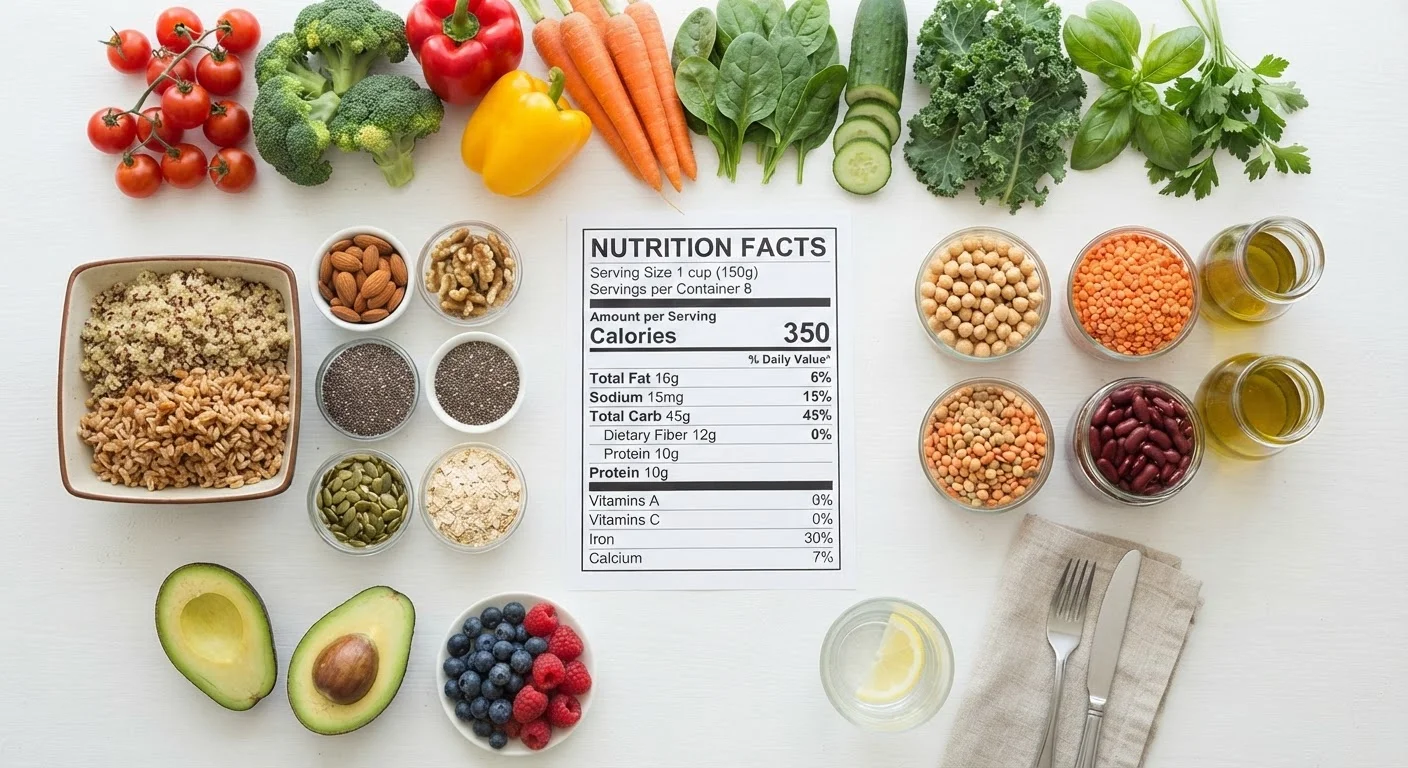
This distinction is important enough that the U.S. Food and Drug Administration now mandates a separate "Added Sugars" line on the Nutrition Facts label. Learning to read it is a practical first step - see our guide to reading a Nutrition Facts label for a full walkthrough.
| Criterion | Natural Sugars | Added Sugars |
|---|---|---|
| Origin | Inherent in whole foods | Added during processing or cooking |
| Common sources | Fruit, milk, plain vegetables | Sodas, baked goods, flavored yogurts |
| Comes with fiber? | Often yes (whole fruit) | Rarely |
| Nutrient density | Vitamins, minerals, phytonutrients | Calories with minimal nutrients |
| Label disclosure | Included in Total Sugars only | Listed separately as Added Sugars |
| Absorption speed | Generally slower (buffered by fiber) | Generally faster (few buffers) |
How Your Body Responds Differently
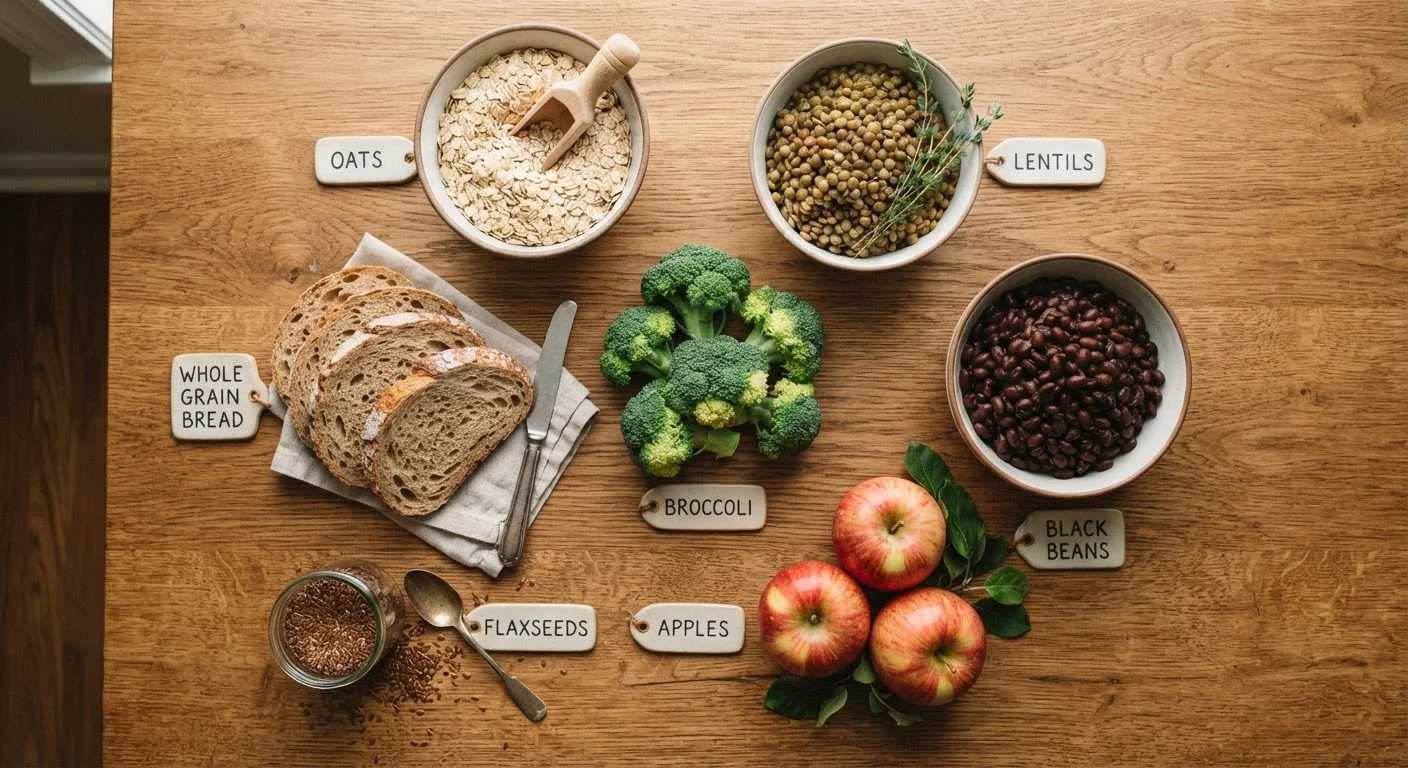
The fiber in whole fruit physically slows the movement of food through your digestive tract. That means the fructose in an apple enters your bloodstream more gradually than the sugar in apple juice, even though both come from the same fruit. Remove the fiber - as juicing does - and you largely remove that buffer.
Added sugars, particularly in beverages, are digested rapidly because they arrive without meaningful fiber, protein, or fat to slow absorption. A can of soda delivers its sugar load quickly, contributing to a sharper blood glucose rise than an equivalent amount of sugar from whole fruit would. Over time, consistently high added sugar intake has been associated in observational research with increased risk of weight gain, elevated triglycerides, and dental cavities, though researchers note that overall dietary patterns matter more than any single food.
It is worth understanding, too, that not all processed foods are equally concerning - context matters significantly. Our article on whole foods vs. processed foods explains how to think about processing levels without oversimplifying.
This article is for general informational purposes only and is not medical or dietary advice. Consult a qualified healthcare professional or registered dietitian for guidance specific to your health needs.
Practical Ways to Apply This Knowledge
Understanding the distinction between natural and added sugars translates into concrete grocery store and kitchen decisions:
- Choose whole fruit over juice. You get the same vitamins with the added benefit of fiber that moderates sugar absorption.
- Check the added sugars line. The Dietary Guidelines for Americans suggest keeping added sugars below 10% of total daily calories. A single 12-oz. sweetened beverage can take up a significant portion of that budget.
- Watch for added sugar aliases. Ingredients lists use more than 60 names for added sugars - including dextrose, maltose, evaporated cane juice, and rice syrup. If several appear in the top ingredients, the product likely carries a substantial added sugar load.
- Don't fear naturally sweet foods. Dairy, fruit, and certain vegetables contain natural sugars, but the research consensus supports including these in a balanced diet rather than restricting them.
17 tsp
Average daily added sugar intake for U.S. adults
According to CDC data, average American adults consume roughly 17 teaspoons of added sugar per day - well above the recommended limit.
10%
Recommended daily calorie cap for added sugars
The Dietary Guidelines for Americans recommend limiting added sugars to less than 10% of total daily caloric intake.
~39g
Added sugar in one 12-oz. cola
A standard 12-ounce cola contains roughly 39 grams of added sugar, nearly the entire daily recommended limit for many adults.
For a deeper look at how sugar - both types - fits into broader nutrition science, the article Sugar in the Diet: Natural vs. Added covers the metabolic picture in more detail.