It All Starts with Espresso
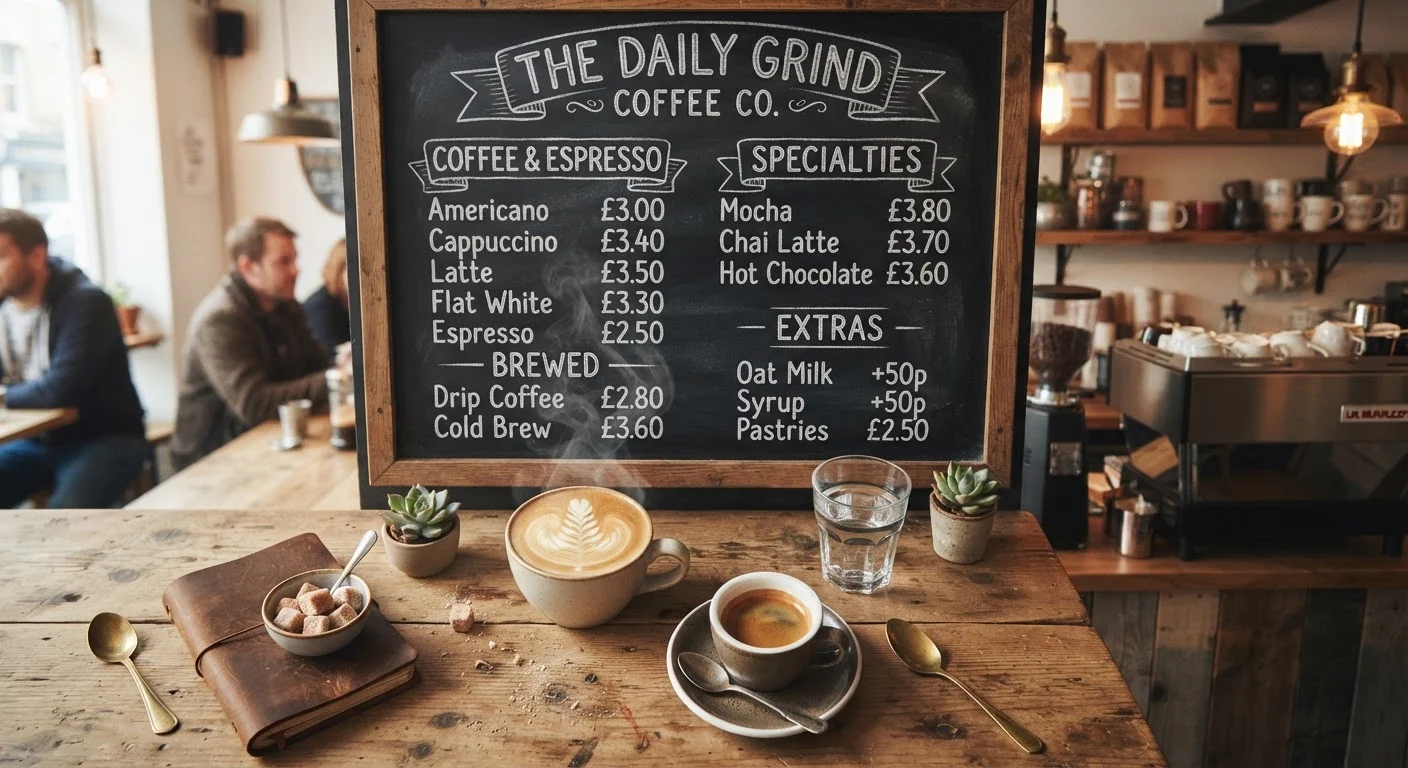
Walk into almost any specialty coffee shop and the menu assumes you already know what espresso is. You don't have to. Espresso is coffee brewed by forcing hot water through finely ground beans under high pressure, producing a small, intensely flavored shot - roughly one fluid ounce. That concentrated liquid is the foundation for the majority of drinks on a café menu.
The flavor is bold and slightly bitter, with a reddish-brown foam on top called crema. On its own, espresso is consumed quickly - it's not a sipping drink the way drip coffee is. But as a building block, it's endlessly versatile. Understanding what goes into a shot - and how many shots a drink contains - tells you most of what you need to know about strength and caffeine. For a deeper look at how roast choices affect your cup, see our guide to coffee roast levels.
Espresso
A small, concentrated shot of coffee brewed under high pressure. It's the base ingredient in most specialty coffee drinks.
Microfoam
Milk that has been steamed to a silky, velvety texture with tiny bubbles. It's used to create latte art and adds a creamy mouthfeel to drinks.
Crema
The reddish-brown foam that forms on top of a freshly pulled espresso shot. It indicates a well-extracted shot and adds a slight sweetness.
Single / Double shot
A single shot is roughly one ounce of espresso; a double (doppio) is two ounces. Most medium and large drinks use a double shot by default.
Brew ratio
The proportion of coffee to water used when making a drink. A stronger brew ratio means more coffee flavor relative to liquid volume.
Origin
Where the coffee beans were grown - such as Ethiopia, Colombia, or Sumatra. Origin strongly influences flavor, with different regions producing fruity, earthy, or floral notes.
Milk-Based Drinks Explained
The most common specialty drinks are built by combining espresso with steamed milk in different proportions. The ratio of milk to foam - and the overall volume - is what separates one drink from another.
- Latte: One or two shots of espresso topped with a generous amount of steamed milk and a thin layer of microfoam. It's mild, creamy, and the most approachable option for espresso newcomers.
- Cappuccino: Equal thirds of espresso, steamed milk, and thick foam. Served smaller - around 6 oz - with a more pronounced coffee flavor and an airy texture.
- Flat white: Similar to a latte but smaller (5-6 oz) with a higher espresso-to-milk ratio and velvety microfoam. Stronger tasting than a latte in the same volume.
- Cortado: Equal parts espresso and warm milk, no foam. About 4 oz total. Clean, balanced, and less diluted than a latte.
- Macchiato: A shot of espresso with just a small spoonful of milk or foam. Very strong - essentially espresso with a touch of dairy to soften the edge.
When you see flavored syrups listed - vanilla, caramel, hazelnut - they can be added to most milk drinks. Ask for fewer pumps if you prefer less sweetness.
Black Coffee Drinks Beyond Drip
Not every coffee drink involves milk. If you prefer black coffee, specialty menus offer options beyond basic drip.
- Americano: Espresso diluted with hot water. The result is similar in volume to drip coffee but with a distinctly different, slightly smoother flavor profile.
- Pour over: Single-cup drip coffee brewed slowly by hand, often highlighting a specific bean's flavor nuances - fruity, floral, or earthy notes depending on the origin.
- Drip coffee: The familiar batch-brewed coffee most Americans grew up with. Reliable and straightforward, usually available in light, medium, or dark roast.
The history of American drinking habits shows that drip coffee dominated the country for decades before specialty drinks took hold - so if that's what you know and love, you're in excellent company.
Cold Coffee Options
Cold coffee is its own category, and the two most common options - cold brew and iced coffee - are made very differently even though they look similar in the glass.
Iced coffee is brewed hot and then chilled or poured over ice. It's quicker to make and tends to taste brighter and more acidic. Cold brew is steeped in cold water for 12-24 hours without any heat. The result is smoother, less acidic, and often stronger. Our detailed breakdown of cold brew vs. iced coffee covers the differences in preparation, taste, and caffeine.
You may also see cold brew lattes (cold brew with milk) or espresso tonics (espresso over sparkling water) on specialty menus - both worth trying if you're feeling adventurous.
Ask for Half-and-Half on Ice
If you're not sure whether you want hot or cold, ask for your drink 'on ice' - most espresso drinks can be made over ice without changing the recipe. It's a low-stakes way to try something new without committing to a full temperature switch.
How to Order with Confidence
Walking up to the counter is easier once you know a few navigating principles. Start by deciding: Do I want milk or no milk? Hot or cold? Strong or mild? Those three questions narrow the menu significantly.
Don't hesitate to ask your barista for a recommendation based on what you normally drink - they field this question all day and generally enjoy it. Most shops will also offer a small taste of a drink you're unsure about.
For caffeine awareness, keep in mind that drink size and number of shots matter more than the drink type alone. Check our caffeine reference across common beverages if you want to compare approximate levels before you order. A little vocabulary and curiosity are genuinely all you need to navigate even the most elaborate specialty coffee menu.