Why Storage Conditions Matter More Than You Think
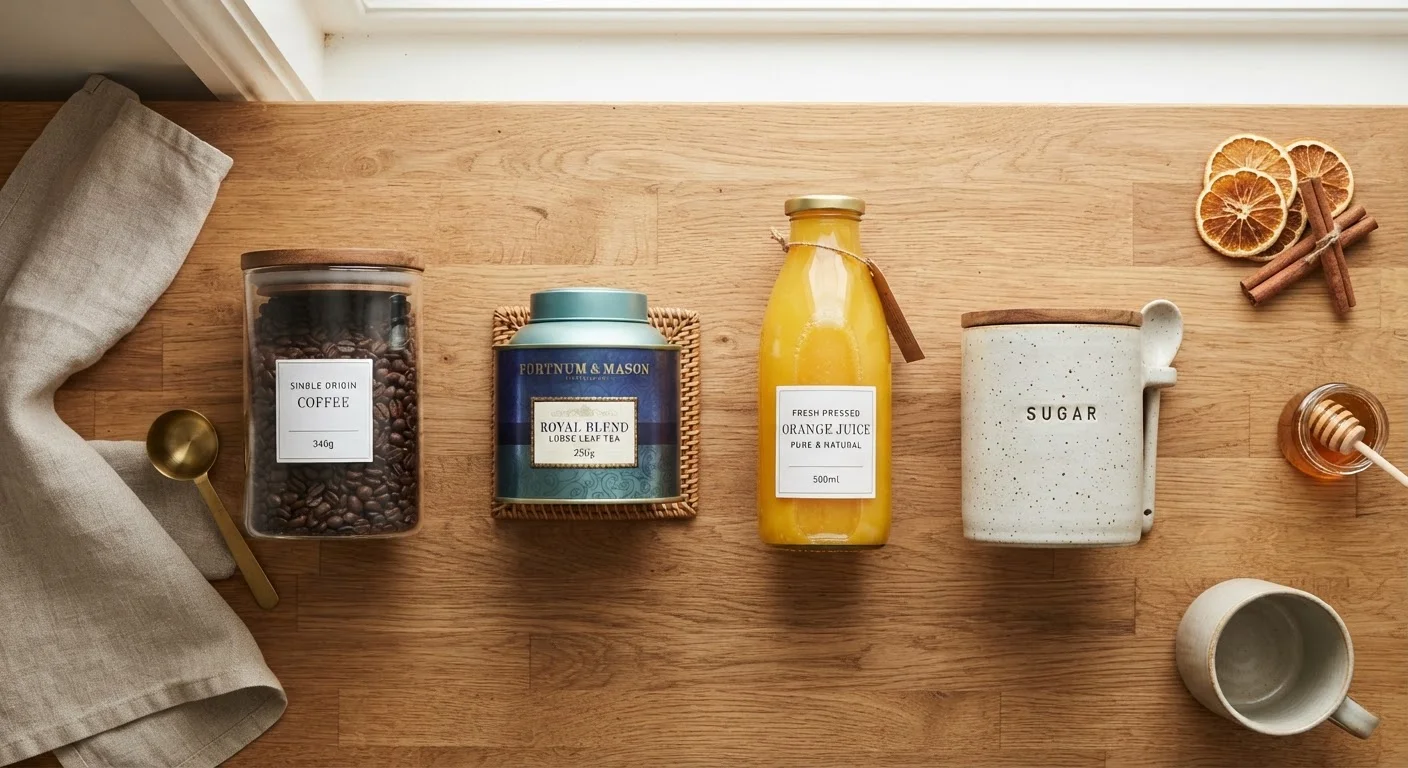
Most people focus on selecting a good beverage but pay little attention to what happens after it arrives home. Yet the way you store drinks - including coffee, tea, juice, and even water-based infusions - can dramatically affect how they taste by the time they reach your glass.
Three environmental factors drive the most damage: light, heat, and oxygen. UV rays accelerate chemical breakdown in both liquids and dry ingredients like ground coffee or loose-leaf tea. Heat speeds up oxidation and encourages microbial growth in liquids. Oxygen reacts with aromatic compounds, dulling flavor over time. Understanding these forces gives you a clear framework for making better storage decisions across all the beverages in your home.
These aren't abstract chemistry concerns. The stale, flat taste of week-old coffee left in an open bag on a sunny countertop, or juice that tastes slightly off before its printed date, is usually the direct result of exposure to one or more of these factors. Correcting them doesn't require special equipment - just better habits.
Coffee: Protecting Freshness After the Roast
Roasted coffee is particularly vulnerable to oxygen and moisture. Once coffee is roasted, it begins releasing carbon dioxide and gradually absorbing environmental odors and humidity. Ground coffee deteriorates faster than whole beans because grinding dramatically increases the surface area exposed to air.
Store whole coffee beans in an opaque, airtight container at room temperature.
Exposure to light and air rapidly breaks down the aromatic oils responsible for coffee's flavor. Airtight containers with one-way valves (which allow CO₂ to escape without letting oxygen in) are especially effective. Contrary to popular belief, the freezer introduces moisture risk every time the bag is opened and is generally not recommended for everyday-use coffee.
Buy coffee in quantities you'll use within two to four weeks of the roast date.
Even under ideal storage conditions, roasted coffee loses peak flavor over time. Buying smaller, more frequent quantities means you're always working with fresher coffee rather than trying to preserve a large stock that's already past its prime.
Keep tea in a dedicated opaque, airtight tin away from heat sources and strong-smelling foods.
Tea leaves are highly absorbent and will take on surrounding odors quickly. Heat from nearby appliances accelerates the breakdown of delicate volatile compounds that give tea its character. A dedicated, sealed container placed in a cool cabinet is the simplest and most effective solution.
Minimize air contact in juice containers after opening.
Oxygen reacts with vitamin C and flavor compounds in juice, causing both nutritional loss and flavor degradation. Keeping the container as full as possible and resealing tightly slows this process significantly.
Use glass or stainless steel containers for water and liquid infusions when possible.
Plastic containers, particularly thin or low-quality varieties, can leach odor-causing compounds into liquids, especially when exposed to heat or sunlight. Glass and stainless steel are non-reactive and keep flavors neutral over time.
If you enjoy cold coffee preparations, proper concentrate storage matters just as much as dry ingredient storage. See how cold brew and iced coffee differ to understand why cold brew concentrate, in particular, has a longer fridge life than brewed hot coffee kept cold.
Tea: The Case for Dark, Dry, and Airtight
Loose-leaf and bagged teas are dried plant materials, and they respond poorly to moisture, strong odors, and light. Tea easily absorbs surrounding smells - store it near coffee or spices and it will taste like them within days.
The general guidance for tea storage is straightforward: use an opaque, airtight container (metal tins work well), keep it away from the stove or any heat source, and avoid the refrigerator unless the tea is specifically recommended for it. Cold environments introduce condensation risk, which can ruin a batch quickly. If you're just getting into higher-quality teas, our guide to loose-leaf tea covers storage alongside other fundamentals.
Test Your Tea Tin's Seal
Place a small piece of paper inside your tea tin, close the lid, and try to pull it out. If it slides out easily, the seal isn't tight enough to protect your tea from air and moisture. A proper airtight lid should create noticeable resistance. If yours doesn't, consider a silicone-sealed canister instead.
Juice and Liquid Beverages: Fridge Rules and Container Choices
Juice presents a different set of challenges because you're dealing with a liquid that's already susceptible to microbial activity. Once opened, most commercially pasteurized juices should be refrigerated and consumed within the window printed on the label - typically seven to ten days - regardless of whether they tasted fine when opened.
Container choice matters significantly here. Transferring juice to a container with a wide mouth or one that traps extra headspace (air above the liquid) accelerates oxidation and dulls flavor noticeably. Keep juice in the original sealed container when possible, or use a narrow-neck glass bottle that limits air contact. If you want to understand exactly what's in that container before you even open it, reading beverage labels accurately will help you decode what you're buying.
Freshly squeezed juice - including homemade lemonade - has no preservatives and should be consumed within 24 to 48 hours for best flavor and food safety. Homemade lemonade also benefits from being stored in glass rather than plastic, which can leach subtle off-flavors over time.
Water and Infusions: Don't Overlook the Basics
Plain filtered water stored in a closed glass or stainless steel container tastes noticeably cleaner than water left in an open plastic pitcher on the counter. Plastic can impart odors, especially when exposed to heat or UV light. For infused waters, herbal syrups, or any drink with added fruit or botanicals, the refrigerator is essential - these are perishable mixtures.
A common myth is that drinking lots of any fluid is equally hydrating. Storage affects more than taste; it can affect whether you actually reach for a drink at all. If your water tastes stale or your infusions smell off, you're less likely to stay well hydrated. For a deeper look at hydration facts and fiction, see common hydration myths.
This article is for general informational purposes only and does not constitute medical or dietary advice. Consult a qualified healthcare professional for guidance specific to your health needs.