Why Loose-Leaf Tea Is Worth the Switch
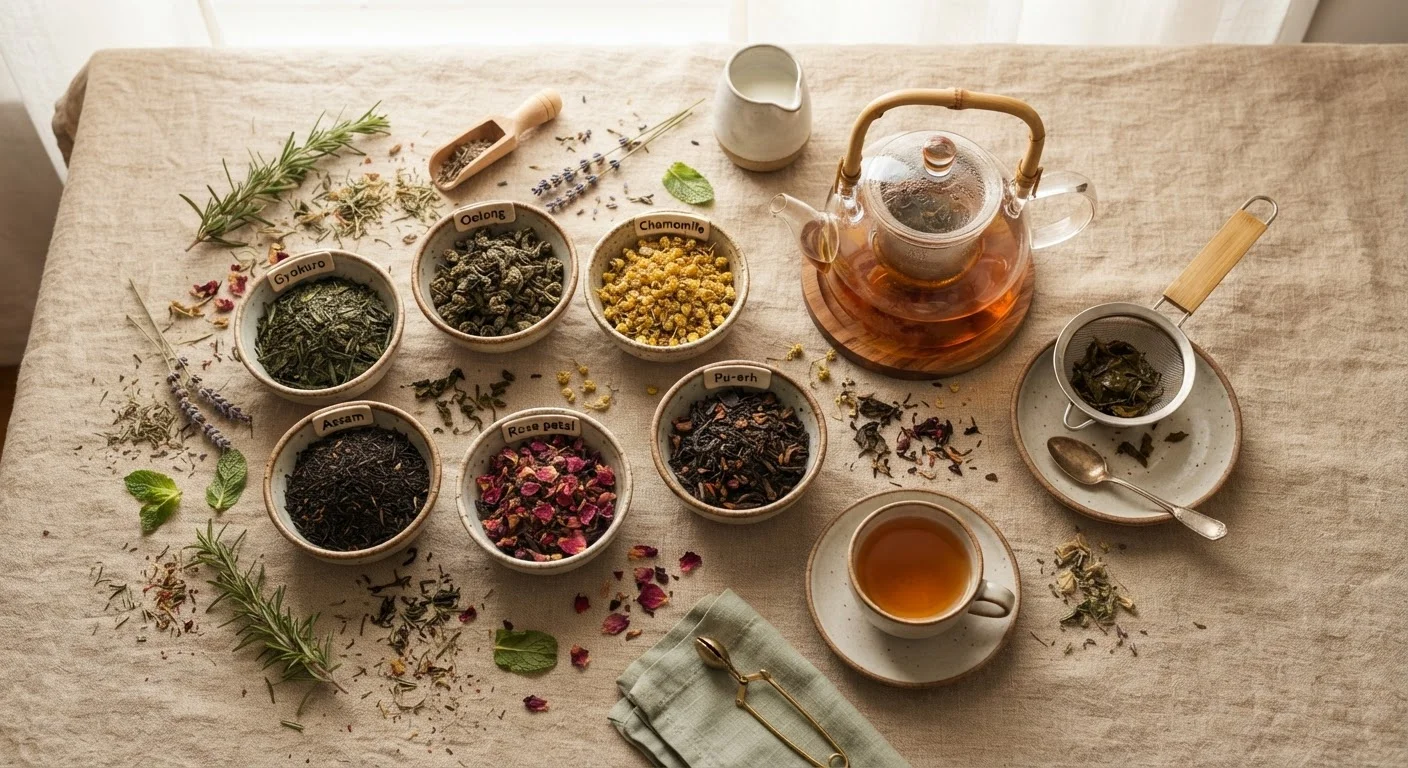
Tea bags are convenient, but they typically contain small, broken leaf pieces called fannings or dust - the lower-grade material that settles to the bottom during tea processing. Loose-leaf tea uses whole or large-cut leaves, which have more essential oils and surface area to release flavor as they unfurl in hot water.
The result is a cup with more depth, nuance, and - depending on the variety - a noticeably smoother finish. That said, switching to loose-leaf tea isn't about snobbery. It's simply a practical upgrade that gives you more control over what ends up in your cup, from strength to flavor profile to how many steeps you get per batch of leaves.
A Good Starting Point for New Drinkers
If you're unsure where to begin, a medium-oxidized oolong or a straightforward black tea tends to be forgiving with steeping times and appeals to a wide range of palates. Green teas are rewarding once you understand temperature control, but they're less tolerant of mistakes during the learning curve.
The Main Types of Tea Explained
All true teas come from a single plant species, Camellia sinensis. What differentiates green from black from white is how the harvested leaves are processed - specifically how much oxidation they undergo before drying.
Oxidation
A chemical process where tea leaves are exposed to air, causing them to darken and develop richer, more complex flavors. More oxidation produces darker, bolder teas like black tea.
Tisane
An herbal infusion made from dried flowers, roots, fruits, or herbs rather than the Camellia sinensis plant. Tisanes are naturally caffeine-free.
Fannings
Small, broken tea leaf particles - often the lowest-grade material - commonly found inside standard tea bags. They brew quickly but with less nuanced flavor than whole leaves.
Infuser
A perforated device - typically a mesh ball or basket - that holds loose-leaf tea inside hot water so the leaves can be easily removed after steeping.
Steeping
The process of submerging tea leaves in hot water for a set amount of time to extract their flavor, color, and aroma into the liquid.
Camellia sinensis
The plant species from which all true teas - green, white, black, oolong, and pu-erh - are made. The differences between tea types come from how the leaves are processed after harvesting.
- Green tea: Minimally oxidized, preserving a grassy, vegetal, or sometimes nutty character. Examples include sencha and dragonwell.
- White tea: The least processed of all teas - typically just withered and dried - producing a light, delicate flavor.
- Oolong tea: Partially oxidized, placing it between green and black on the flavor spectrum. Styles range from floral and milky to toasty and roasted.
- Black tea: Fully oxidized, yielding a bolder, often malty flavor. Assam and Darjeeling are well-known examples.
- Herbal tisanes: Not true teas, but dried plants, flowers, and fruits brewed as a hot beverage. These are naturally caffeine-free.
Essential Tools You'll Actually Need
You don't need a complicated setup. Three items cover most brewing situations:
- An infuser or strainer: A mesh ball, basket infuser, or a simple fine-mesh strainer held over the cup all work. Avoid very fine-holed infusers for large-leaf teas - they restrict water flow.
- A temperature-controlled kettle (or a thermometer): Precise temperature matters more than most beginners expect. A kettle with temperature settings removes guesswork, but a simple instant-read thermometer works with any kettle.
- A timer: Even a phone timer prevents accidental over-steeping, which is the most common beginner mistake.
A dedicated teapot with a built-in strainer basket is a useful upgrade once you're brewing regularly, but it's entirely optional to start.
Water Temperature and Steeping Time
This is where most beginners go wrong - and where small adjustments make the biggest difference in the cup.
| Tea Type | Water Temperature | Steep Time |
|---|---|---|
| White | 160-170°F (71-77°C) | 2-4 minutes |
| Green | 160-180°F (71-82°C) | 1-3 minutes |
| Oolong | 185-205°F (85-96°C) | 2-4 minutes |
| Black | 200-212°F (93-100°C) | 3-5 minutes |
| Herbal | 200-212°F (93-100°C) | 5-7 minutes |
These ranges are starting points, not rigid rules. Experiment within them - shorter steeps produce lighter, more delicate cups; longer steeps concentrate both flavor and bitterness. Always remove the leaves promptly when the timer goes off.
Storing Your Tea to Preserve Flavor
Loose-leaf tea is sensitive to four things: light, moisture, heat, and strong odors. Exposure to any of them degrades the aromatic compounds that make your tea worth buying in the first place.
Store tea in an airtight, opaque container - tin canisters are a popular choice - kept in a cool, dark cupboard away from the stove or any spice rack with strong-smelling contents. Avoid the refrigerator, where condensation and food odors can damage the leaves. Most loose-leaf teas stay fresh for 12 to 24 months when stored well, though delicate white and green teas are best consumed within a year.
For a broader look at how storage conditions affect beverages in general, see our guide to storing drinks at home without losing flavor. The same principles that protect tea also apply to coffee, juice, and other pantry staples.
If you enjoy picking up new learning habits alongside a new hobby, our guide to starting a reading life from scratch applies the same beginner-friendly mindset to building a consistent reading practice.