
Why Tailoring Works-and Where People Go Wrong
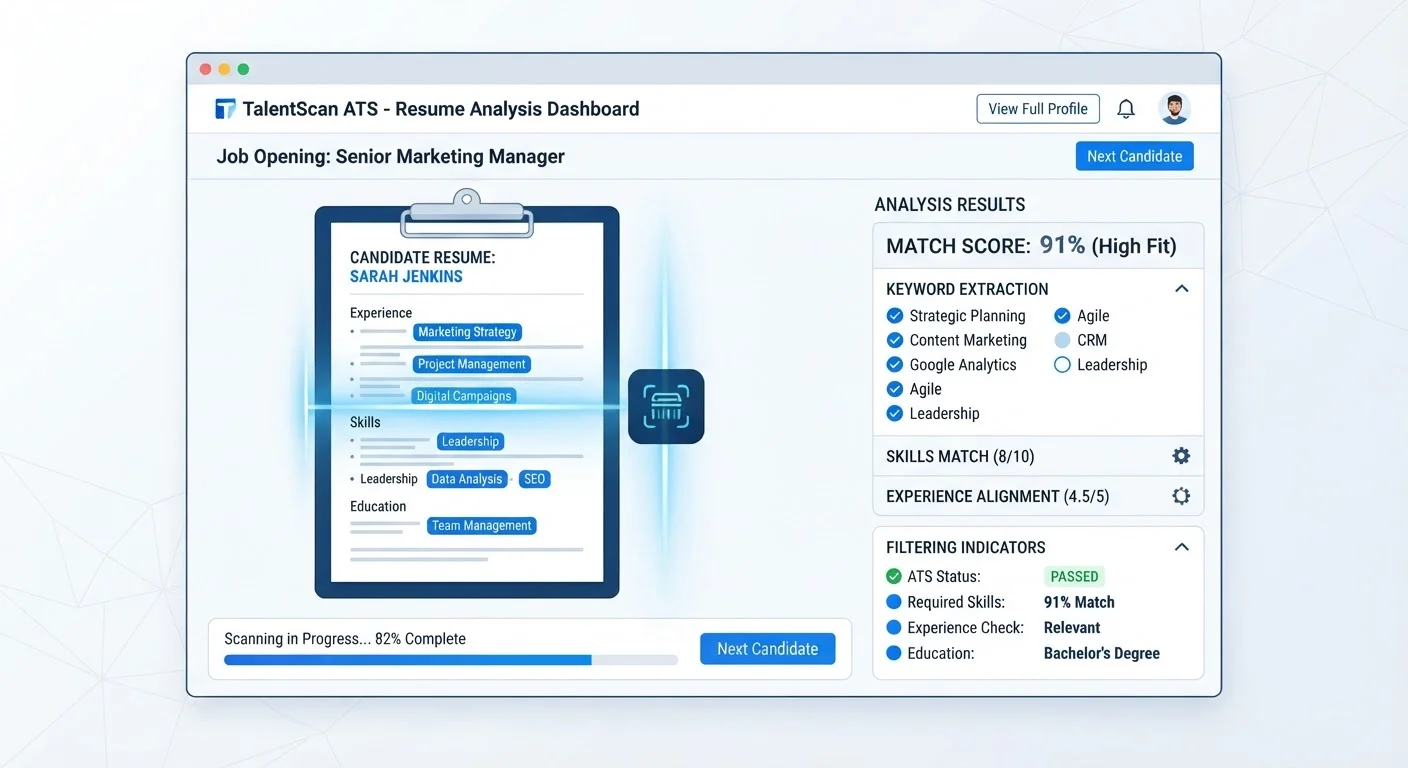
Most employers use applicant tracking systems (ATS) to filter resumes before a human ever sees them. These systems scan for keywords that match the job description. A generic resume-written to appeal to any employer-often fails that scan, even when the candidate is genuinely qualified. Tailoring your resume to each posting directly addresses that problem.
The confusion arises when job seekers treat tailoring as a license to stretch the truth. It isn't. Tailoring is about presentation, not fabrication. You're reorganizing and reframing what you've actually done to show its relevance-not writing fiction. If you land an interview based on inflated claims, you'll be exposed quickly. And in many industries, a reputation for dishonesty follows you. This guide is about doing it the right way.
If you've been sending the same resume to every listing, you're not alone-but it's a pattern worth breaking. As we cover in Why Applying to Hundreds of Jobs Rarely Works, volume without targeting rarely produces results. Focused applications with strong, role-specific resumes are a better use of your time.
What You Need Before You Start
Before tailoring any resume, gather the right materials. You'll work from two sources: your master resume and the job posting itself.
What you will need
Having these ready before you start keeps the process efficient and reduces the temptation to over-edit or second-guess yourself mid-process.
Master Resume Document
Serves as the complete source of truth for all your experience-you pull from it without altering the original.
Job Posting Copy (saved text or PDF)
Lets you reference exact language, required qualifications, and responsibilities while editing without losing the listing if it goes offline.
Keyword Highlighter or Note App
Helps you identify and track recurring terms in the job description that should appear in your tailored resume.
Step-by-Step: Tailoring Your Resume Honestly
Follow these steps for each role you apply to. The process takes time upfront, but it significantly improves the relevance of what hiring managers see. If you're part of a broader job search, this fits into the larger workflow covered in Starting a Job Search From Scratch.
Read the Job Posting Twice-Then Annotate It
On your first read, get a general sense of the role. On the second, go line by line and mark every skill, qualification, and responsibility mentioned. Pay attention to what appears more than once-repetition signals priority. Note both hard skills (specific tools, certifications, technical abilities) and soft skills (communication, project management, cross-functional collaboration).
Map the Posting Requirements to Your Actual Experience
Create a simple two-column list: job requirements on the left, your matching experience on the right. Be honest here. If you have strong overlap, great. If you meet 70-80% of requirements, that's often enough to apply. If you're missing core requirements-not nice-to-haves, but essentials-factor that into whether to apply at all rather than trying to paper over the gap.
Rewrite Your Resume Summary for This Role
Your summary (sometimes called a professional profile or objective) sits at the top of your resume and should speak directly to this job. Replace generic language like "results-driven professional" with a specific statement that connects your background to what this employer needs. Two to three sentences is enough. Keep it factual and grounded in what you can actually deliver.
Reorder and Reframe Your Bullet Points
Within each job entry, lead with the accomplishments and responsibilities most relevant to this posting. You don't need to rewrite the bullet-often a simple reorder is enough. Where rewriting does help, focus on outcome language that aligns with the employer's priorities. Every reframed bullet must still accurately describe what you did. If you need to stretch or embellish to make it fit, that's a signal the role may not be a strong match.
Trim Irrelevant Experience Without Hiding Gaps
It's fine to cut bullet points-or even entire roles-that add no value for this specific application. What you cannot do is alter dates, invent overlapping positions, or otherwise manipulate your timeline. If trimming creates an obvious employment gap, leave the gap visible. Most employers are more understanding about gaps than about discovering a candidate edited their history to conceal one.
Review the Final Version Against the Posting
Before submitting, read your tailored resume alongside the job description one final time. Check that the key requirements are reflected accurately in your resume, your language mirrors the posting's terminology where appropriate, and nothing you've written overstates your actual experience. Ask yourself: if they ask me about this in an interview, can I speak to it confidently and honestly? If the answer is no, revise or remove it.
The Honesty Line: What You Can and Cannot Do
There's a clear distinction between legitimate tailoring and misrepresentation. Understanding it protects you.
You can:
- Reorder bullet points to lead with your most relevant accomplishments
- Use the employer's terminology when it accurately describes work you've done (e.g., if you managed "client accounts" and they call it "account management," that's fine)
- Remove experience that isn't relevant to this role
- Quantify results you genuinely achieved (e.g., "reduced processing time by 20%" if that's accurate)
- Adjust your summary or objective statement to reflect this specific role
You cannot:
- Claim skills you don't have
- Inflate titles or responsibilities
- List tools or software you've never used
- Attribute outcomes to yourself that belonged to a team or someone else
- Change dates to hide gaps or short tenures
Employment gaps are a separate concern that many candidates worry about unnecessarily. For a realistic look at how much they actually matter, see Career Gaps on a Resume: The Reality vs. the Fear.
Background Checks Often Verify What You Claim
Many employers conduct reference checks, employment verification, or credential checks before or after an offer. Inflated titles, falsified dates, and claimed certifications you don't hold are among the most common reasons offers are rescinded. The risk is not worth it-focus on presenting genuine experience as compellingly as possible.
Making Tailoring Sustainable Across Multiple Applications
Tailoring every resume from scratch is exhausting. The key is building a system. Start with a comprehensive master resume that includes every role, responsibility, and accomplishment across your career. When you apply to a specific job, copy that master and edit it down-never edit the master itself.
Keep a folder of tailored versions organized by employer and date. If you get a callback weeks later, you'll need to remember exactly what you submitted. Consistency between your resume and what you say in an interview matters-recruiters notice discrepancies. For more on how recruiters evaluate candidates, What Recruiters Actually Do is worth reading before your next application round.
Tailored resumes work best when your overall search strategy is equally focused. Whether you're relying on job boards or building through your network, the same principle applies: relevance beats volume. See Job Boards vs. Networking for help deciding where to concentrate your efforts.