
The Appeal - and the Problem - With Spray-and-Pray
When you're unemployed or unhappy at work, applying to as many jobs as possible feels like the right move. More applications should mean more chances, right? In practice, the math rarely works out that way. What looks like productivity - 50 applications sent in a week - often produces worse results than 10 carefully targeted ones.
The core problem is that volume-based job searching treats every open role as essentially the same opportunity. It isn't. Each employer has specific needs, specific culture, and specific language they use to describe what they want. A generic resume and a boilerplate cover letter tell a recruiter, almost immediately, that you haven't done the work to understand whether you're actually a fit. Most move on in seconds.
Understanding the specific mistakes behind this approach - and why they happen - is the first step toward a strategy that actually works. See our breakdown of common job search myths for more beliefs that quietly undermine results.
Sending the same resume and cover letter to every role without customization.
Why it happens: Customizing every application takes time, and when you're anxious to make progress, volume feels safer than selectivity.
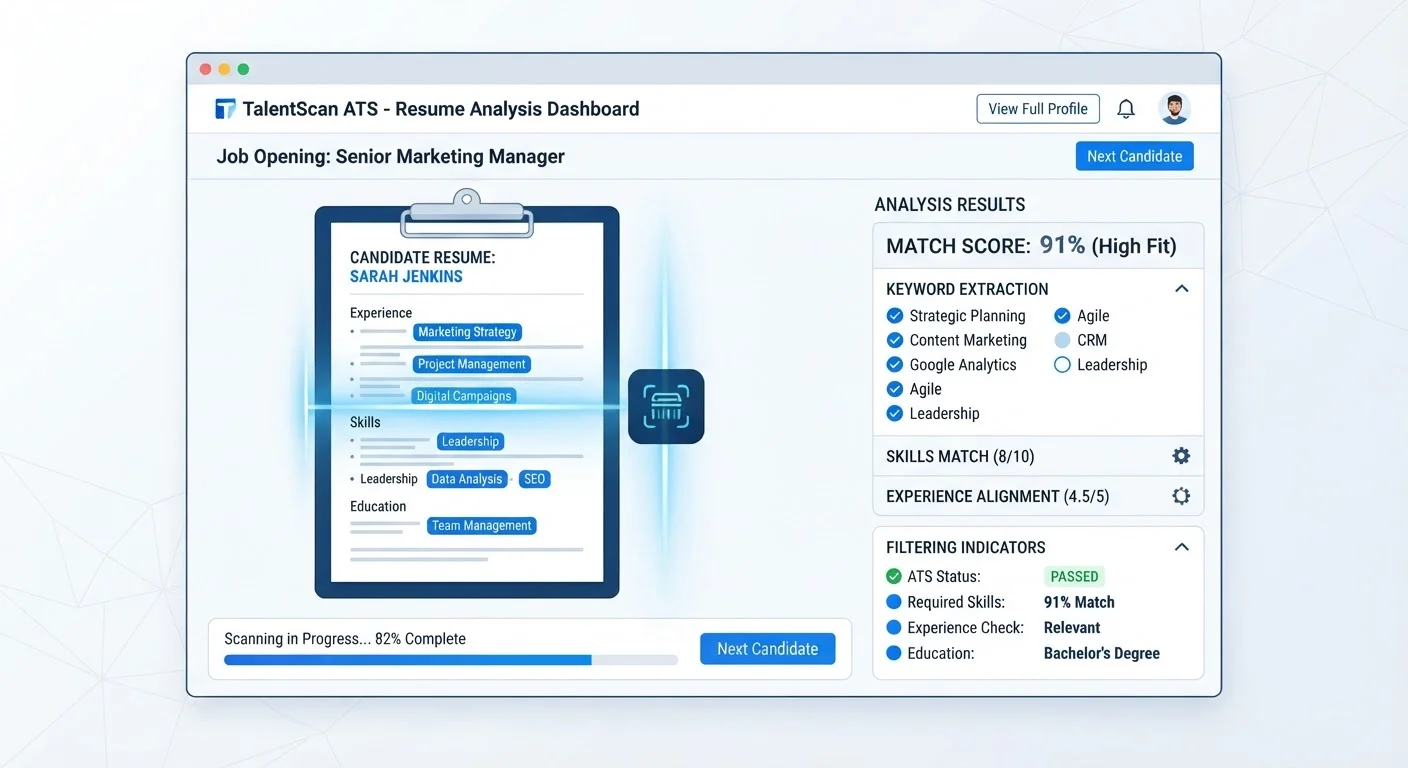
Ignoring how applicant tracking systems (ATS) filter applications before a human sees them.
Why it happens: Most job seekers don't realize that many employers use software to screen resumes for keyword matches, so a well-qualified candidate with the wrong phrasing gets eliminated automatically.
Applying only through public job boards and ignoring the hidden job market.
Why it happens: Job boards are convenient and feel comprehensive, but many positions are filled through internal referrals or direct outreach before they're ever listed publicly.
Applying to roles you're significantly underqualified or overqualified for without addressing the gap.
Why it happens: When applying at scale, people stop evaluating fit carefully, treating every open position as a lottery ticket worth entering.
Failing to follow up or engage with recruiters after applying.
Why it happens: High application volume makes follow-up feel impractical, and many job seekers assume no response means automatic rejection.
What a Smarter Search Actually Looks Like
Shifting from volume to quality doesn't mean applying to fewer jobs out of laziness - it means spending your time where it has the highest return. A practical starting point: for any role you apply to, ask yourself whether you meet at least 70% of the stated qualifications and whether you can articulate, in specific terms, why you want this job at this company. If you can't answer that second question, the application probably isn't worth sending.
Tailoring your resume doesn't require rewriting it from scratch each time. It means adjusting language in your summary and bullet points to mirror the job posting's terminology, emphasizing the experience most relevant to that specific role, and making sure your most important qualifications are visible in the first third of the document - where both humans and software spend the most attention. Our guide on tailoring a resume to a job posting without misrepresenting yourself walks through this clearly.
Pair targeted applications with proactive networking. Research from multiple workforce studies consistently shows that a substantial share of positions are filled through referrals and internal movement before they're ever publicly listed. Connecting with people in your target field - through LinkedIn, industry events, or alumni networks - surfaces those opportunities. For a direct comparison of both channels, see job boards vs. networking.
Finally, track what you're doing. A simple spreadsheet logging each application, the date sent, the contact, and any response helps you recognize patterns: which types of roles get callbacks, which don't, and where your materials might need adjustment. A sustainable, well-organized search is also less likely to burn you out - something worth protecting over a long search. If you're building that kind of structure, building a job search routine that doesn't burn you out offers practical frameworks.