A practical checklist covering everything to review—resume, cover letter, references, and online presence—before submitting any application.
Key Takeaways
Tailoring your resume to each job posting significantly improves your chances of passing automated screening systems.
Your cover letter should address the specific employer, not read like a generic form letter.
References need to be confirmed and briefed before an employer ever contacts them.
Your public online presence is part of your application whether you curate it or not.
A final proofreading pass catches errors that spell-check consistently misses.
Why a Pre-Submission Checklist Pays Off
Submitting a job application takes less than a minute - but undoing the damage of a sloppy one can take much longer. Recruiters routinely report screening out candidates for resume typos, generic cover letters, or mismatched materials. Each application you send is a direct reflection of your professional judgment.
This checklist is designed to slow you down just enough to get it right. It is not about perfection; it is about making sure nothing critical slips through. If you are in the habit of blasting out applications en masse, you may want to read about why that approach rarely works before going further - quality consistently outperforms volume in a targeted search.
Work through each group below before you click submit. The time investment per application is modest, and the payoff in response rates is real.
What You'll Need Before You Start
Gather the following before working through the checklist so you are not hunting for files mid-review.
Required
Tailored Resume File
Your resume edited specifically for this role, saved in the format the employer requests.
Required
Cover Letter Draft
A customized cover letter addressed to this employer and role.
Required
Reference Sheet
A document listing three to four professional references with current contact information.
Required
The Job Posting
The original listing - open in a separate tab so you can cross-check your materials against the requirements.
Optional
Portfolio or Work Samples
A link or file containing relevant work samples if the role or industry expects them.
If any of these items do not yet exist - for example, you have not lined up references yet - pause and address that first. Submitting before you are ready is rarely better than submitting a day or two later when your materials are solid. For a broader view of the full process, the complete job search walkthrough covers every stage from preparation through offer negotiation.
The Full Pre-Submission Checklist
Work through each group in order. Items marked must are non-negotiable. Items marked should are strongly recommended but may not apply to every situation.
Resume Tailoring
Compare your resume against the job posting line by line and incorporate relevant keywords from the description.Must
Confirm your job title history, dates of employment, and employer names are accurate and consistent with your LinkedIn profile.Must
Remove or reframe any experience that is irrelevant to this specific role to keep the document focused.Should
Check that your contact information - email, phone, and LinkedIn URL - is current and professional.Must
Save the final file as a PDF unless the posting explicitly requests a Word document.Should
Cover Letter Review
Address the letter to a specific person or hiring manager where possible; avoid generic salutations like 'To Whom It May Concern.'Should
Confirm the company name and job title in the letter are correct for this application - not copied from a previous one.Must
Ensure the letter explains why you want this specific role at this specific organization, not just why you are qualified in general.Must
Keep the letter to three to four concise paragraphs; cut any filler sentences that do not add new information.Should
References Preparation
Contact each reference in advance to confirm they are willing and available to speak on your behalf.Must
Send each reference a copy of your resume and a brief summary of the role so they can speak to relevant experience.Must
Verify that each reference's contact information - current email and phone - is accurate on your reference sheet.Must
Online Presence Audit
Review your LinkedIn profile and ensure it is consistent with your resume - especially job titles, dates, and skills.Must
Search your name in a private browser window and review the first page of results for anything unprofessional or outdated.Should
Set personal social media accounts to private if they contain content you would not want a hiring manager to see.Should
If the role is in a field where a portfolio matters, confirm your portfolio link is live and up to date.Nice to have
Final Proofreading
Read both your resume and cover letter aloud to catch awkward phrasing and errors that silent reading misses.Must
Run spell-check, then manually review homophones and proper nouns that spell-check will not flag.Must
Confirm all hyperlinks in your documents or email - such as your LinkedIn or portfolio - are clickable and correct.Should
Have a trusted colleague or friend do a quick read of your cover letter for tone and clarity.Nice to have
Submission Logistics
Re-read the application instructions and confirm you are submitting every required document in the specified format.Must
Note the application deadline and any follow-up instructions mentioned in the posting.Must
ATS Formatting Can Silently Reject Your Resume
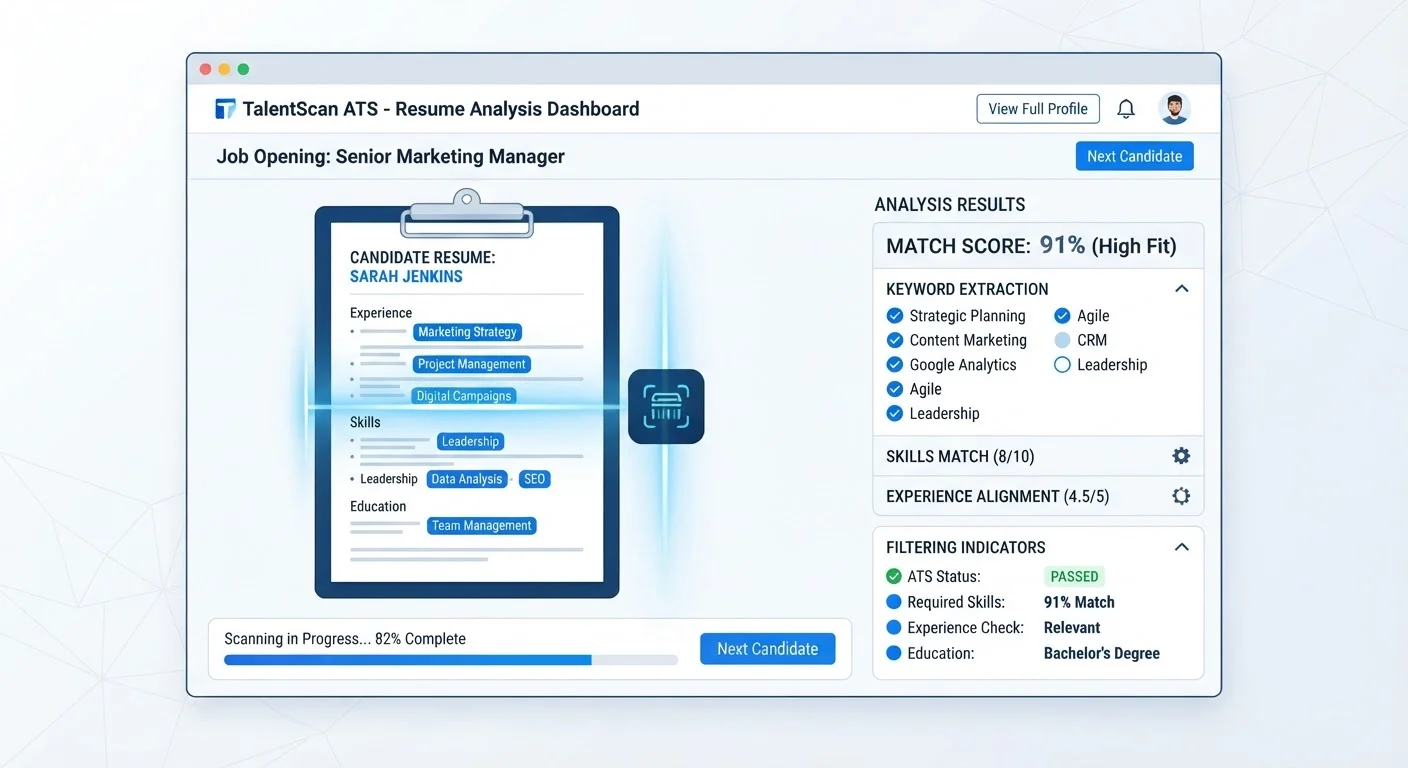
Many employers use Applicant Tracking Systems (ATS) to screen resumes before a human ever sees them. Resumes with heavy graphic design, tables, headers and footers containing contact details, or non-standard fonts can fail to parse correctly and get filtered out. Use a clean, single-column layout with standard section headings to give your resume the best chance of clearing automated screening.
Unfamiliar with terms like ATS (Applicant Tracking System) or keywords? The job seeker terminology guide provides plain-language definitions for the jargon you will encounter throughout your search.
Careers Editorial Team is the collective byline for our editorial team and contributor network. Articles published under this byline or an editorial pen name are researched, written, and reviewed according to our editorial standards for clarity, consistency, and independence before publication.
The content on this site is for informational purposes only and is not a substitute for professional advice. Always consult a qualified professional for guidance specific to your situation.