
Start With Self-Assessment
Jumping straight to job boards before you know what you're looking for wastes time and leads to scattershot applications. A brief self-assessment - done honestly - narrows your search and sharpens your pitch.
Ask yourself three things: What skills do I actually have? What kind of work environment lets me do my best? And what do I need from a job right now - salary, flexibility, growth, stability?
Write your answers down. Skills fall into two buckets: hard skills (technical abilities you can demonstrate, like bookkeeping or operating machinery) and soft skills (interpersonal strengths like communication or problem-solving). Both matter to employers. If you're returning to the workforce after a gap, include skills built through caregiving, volunteering, or freelance work - those count.
Also clarify your constraints upfront: commute distance, schedule needs, minimum acceptable pay. Knowing your non-negotiables prevents you from investing heavily in opportunities that won't work for you anyway.
ATS (Applicant Tracking System)
Software that employers use to collect, organize, and filter job applications before a human reviews them. Resumes that don't match certain keywords or formatting standards may be filtered out automatically.
Informational interview
A casual conversation with someone working in a field or company you're interested in. The goal is to learn, not to ask for a job - but it often leads to referrals and insider knowledge.
Hard skills
Specific, teachable abilities that can be measured or demonstrated, such as data entry, welding, or coding. Employers often list required hard skills directly in job postings.
Soft skills
Interpersonal and behavioral strengths like communication, adaptability, and teamwork. These are harder to quantify but highly valued by most employers.
STAR method
A framework for answering behavioral interview questions: describe the Situation, the Task you were responsible for, the Action you took, and the Result. It keeps answers focused and evidence-based.
Total compensation
The full value of a job offer beyond base salary, including health benefits, retirement contributions, paid time off, bonuses, and any other perks. Always evaluate the whole package, not just the paycheck.
Build Your Core Materials
Your resume and LinkedIn profile are the two documents doing most of the work in a modern job search. Get these right before you send a single application.
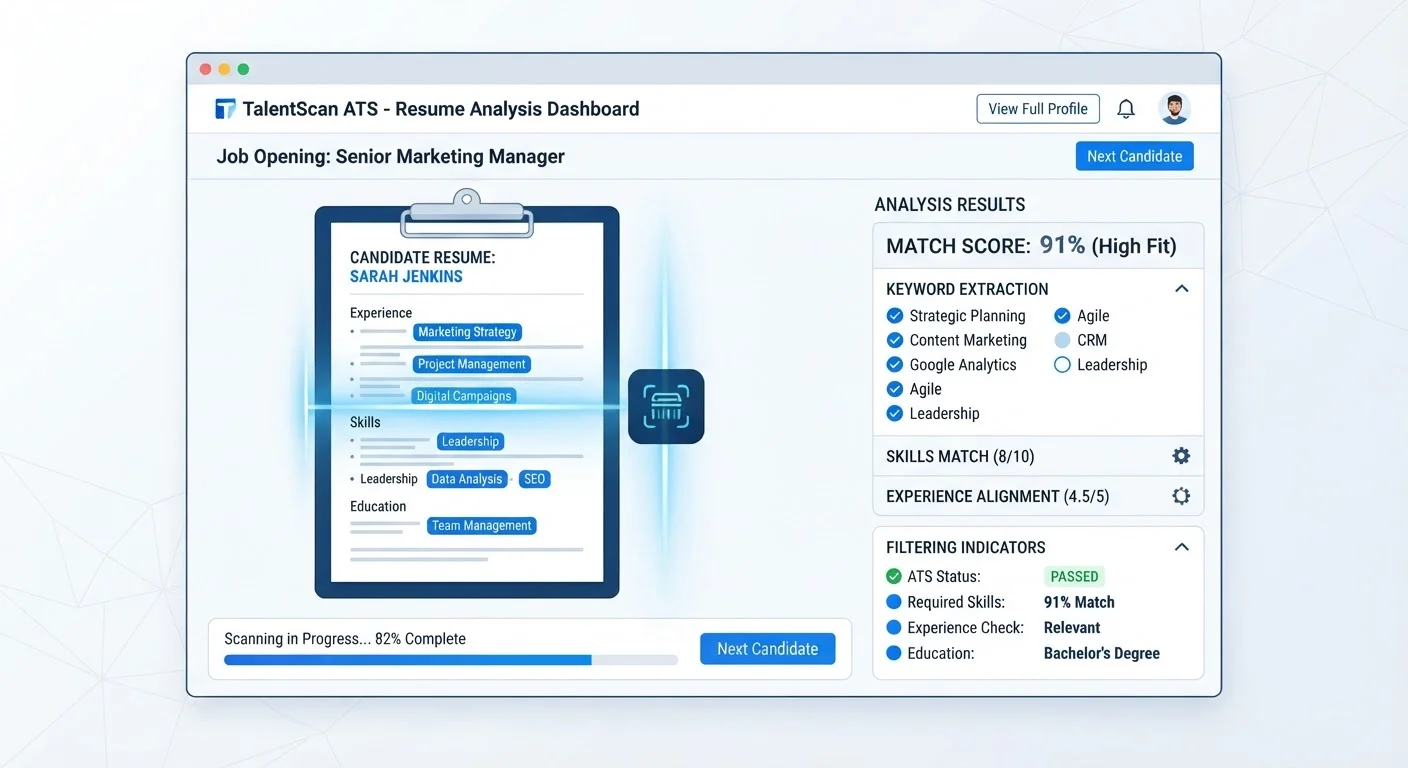
Resume basics: Use a clean, standard format - one or two pages depending on your experience. Lead each bullet point with an action verb and, wherever possible, quantify your impact ("Managed inventory for a 10,000-item warehouse" beats "Responsible for inventory"). Mirror the language in job postings to improve your odds of clearing an ATS filter. See our plain-language glossary of job search terms for a quick explanation of ATS and other jargon you'll encounter.
LinkedIn profile: Fill every section - headline, summary, experience, skills. A complete profile signals to recruiters that you're serious. Set your profile to "Open to Work" if you're comfortable with public visibility, or use the private setting visible only to recruiters.
References: Line up two or three people who can speak to your work before you need them. Give them a heads-up about the types of roles you're pursuing so they're not caught off guard.
Find and Evaluate Job Opportunities
Job boards like Indeed, LinkedIn Jobs, and your industry's niche sites are reasonable starting points - but they shouldn't be your only source. Research consistently suggests that a large share of positions are filled through referrals and networking before a public posting ever goes up.
Build a short list of target companies in your field or location. Follow them on LinkedIn, check their careers pages directly, and look for employees you might reach out to for an informational conversation - a low-stakes chat to learn about a company or role, not to ask for a job outright.
When you find a posting, evaluate it carefully before applying. Does the job description match your actual skills at roughly 70% or better? Is the salary range (if listed) workable? Are there red flags in how the company presents itself?
Steer clear of common job search myths like thinking you need to meet 100% of the listed requirements - employers often list a wish list, not a strict checklist.
Apply Strategically, Not Frantically
The instinct to apply everywhere simultaneously is understandable but counterproductive. A focused approach - targeting roles you're genuinely qualified for and customizing each application - produces a far better response rate.
For each application, adjust your resume summary and a few bullet points to reflect the specific role's language and priorities. This doesn't mean rewriting from scratch every time; it means making targeted edits that demonstrate you read the posting and understand what they need.
Track every application in a simple spreadsheet: company name, role, date applied, contact person, and current status. This prevents duplicate applications and makes follow-up manageable.
If you're currently employed and conducting a discreet search, see our guide on job searching while employed for tactics specific to that situation.
Set a sustainable weekly routine - searching in concentrated blocks rather than all day prevents the exhaustion that derails long searches. Our companion piece on building a job search routine covers this in depth.
Track Every Application From Day One
A simple spreadsheet with columns for company, role title, date applied, contact name, and status takes five minutes to set up and saves significant confusion later. When you're managing multiple active applications, knowing exactly where each one stands lets you follow up confidently and avoid accidentally applying twice to the same role.
Navigate Interviews and Offers
An interview invitation means your materials worked. Now your job is to demonstrate in conversation what your resume summarized on paper.
Prepare using the STAR method (Situation, Task, Action, Result) to structure answers to behavioral questions like "Tell me about a time you handled conflict." Research the company's products, recent news, and stated values so you can speak specifically rather than generically.
Prepare three to five thoughtful questions to ask the interviewer - about team dynamics, success metrics for the role, or growth paths. This signals genuine interest and helps you assess fit from your side, too.
When an offer arrives, take at least 24 hours before responding. Review the full compensation package - base salary, benefits, paid time off, remote work options, and any bonus structure. Negotiation is standard; a straightforward counteroffer with a brief rationale is professional and expected. Once you accept, get the terms confirmed in writing before giving notice anywhere else.
Once you're in the door, see our career growth primer for first-time professionals for how to build on this foundation from day one.