
Who Recruiters Actually Work For
The most important thing to understand about recruiters is simple: they are hired and paid by employers. Their measure of success is filling open positions with qualified people - not finding every job seeker a job. This doesn't make recruiters adversaries, but it does mean you should enter the relationship with clear eyes.
There are two main types. In-house (corporate) recruiters work directly for a company, managing hiring exclusively for that organization. Agency (third-party) recruiters work for staffing or search firms, representing multiple employers at once. Agency recruiters are typically commission-driven, which shapes how they prioritize candidates - those who fit current open roles get the most attention.
Neither type is working against you. But understanding their incentives helps you calibrate your expectations and make the relationship more productive for both sides.
Recruiter vs. HR: Not the Same Role
People often conflate recruiters with HR, but the two serve different functions. HR departments manage employee relations, compliance, benefits, and workplace policy - hiring is only part of what they do. Recruiters specialize specifically in sourcing and screening candidates. At smaller companies, one person may do both, but understanding the distinction helps you know who to contact and what to expect. Our explainer on what HR is actually there to do breaks this down in more detail.
What Recruiters Can Realistically Do for You
A good recruiter offers real advantages that are hard to replicate on your own. They often know about positions before those roles are publicly posted - or roles that are never posted at all. They can advocate for your candidacy internally, provide honest feedback on how hiring managers are responding, and coach you on interview expectations for a specific organization.
Agency recruiters, in particular, may work across dozens of companies in a given sector, giving them visibility into the hiring market that a candidate applying job-by-job simply doesn't have.
That said, recruiters are not career coaches. They won't rewrite your resume, counsel you on long-term strategy, or champion a candidate who doesn't fit what their clients need right now. Expecting those things leads to frustration on both sides.
~30%
Jobs filled through recruiters or referrals
Labor market research consistently finds a significant share of hires come through channels other than public job postings, underscoring why recruiter relationships matter.
15-25%
Typical agency recruiter commission rate
Agency recruiters are generally paid a percentage of the placed candidate's first-year salary - a fee paid entirely by the hiring employer, not the candidate.
How to Work With Recruiters More Effectively
Candidates who get the most value from recruiter relationships tend to do a few things consistently:
- Be specific. Tell a recruiter exactly what you're looking for - role type, industry, location, compensation range, and timeline. Vague answers make it harder for them to place you. A recruiter who knows precisely what you want can match you faster.
- Be responsive. Recruiters work on tight timelines set by their clients. If you go quiet when they reach out, they move to the next candidate. Acknowledge messages quickly, even if just to say you need a day to review something.
- Be honest. Share your real salary expectations, reasons for leaving your last role, and any constraints on your availability. Surprises late in the process can kill an offer - and your credibility with that recruiter.
- Stay professional throughout. Recruiters have long memories. The industry is smaller than it appears, and a candidate who is difficult, dishonest, or unreliable gets remembered.
It also helps to understand that a single recruiter represents a narrow slice of the job market. Combine recruiter outreach with direct applications and networking - as explored in our piece on job boards vs. networking. Recruiters work best as one channel among several, not your entire strategy.
When a Recruiter Reaches Out to You
Inbound recruiter contact - especially on LinkedIn - is common and worth taking seriously even when you're not actively searching. A brief, polite response keeps the door open and builds a network you may need later.
When evaluating an inbound approach, ask a few quick questions before investing time: Is this role relevant to your background? Does the recruiter seem knowledgeable about the field? Are they forthcoming about the company name (some agency searches are confidential, but a recruiter who can't answer basic questions about the role itself is a warning sign)?
Before your resume goes anywhere, ask the recruiter to confirm they will not submit it to any company without your explicit approval. Reputable recruiters respect this. Your resume appearing at a company without your knowledge can complicate future direct applications or referrals. Also ensure your resume is in strong shape before it circulates - our guide to tailoring a resume to a job posting covers how to position yourself accurately and compellingly.
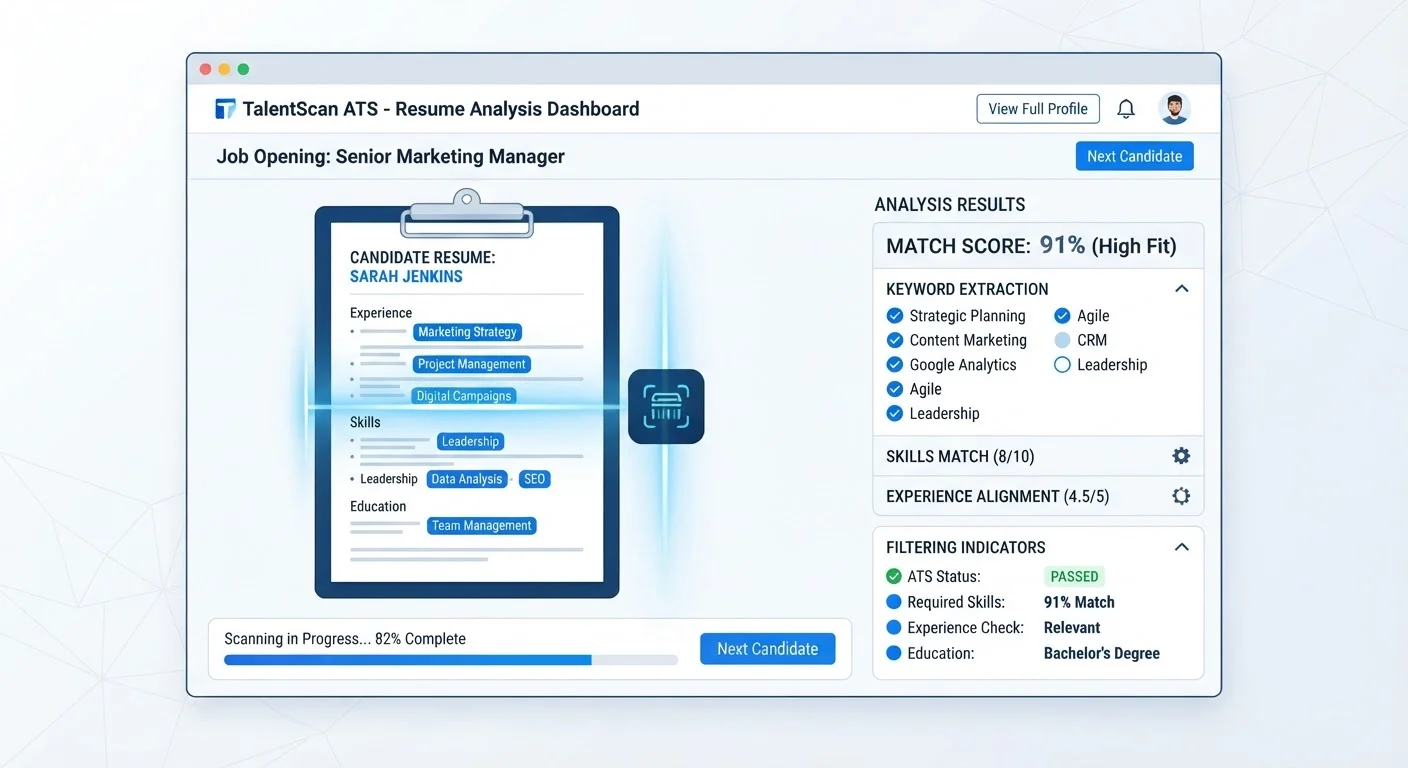
Keep in mind that most resumes - whether submitted through a recruiter or directly - first pass through automated screening software. Understanding how those systems work can strengthen your candidacy regardless of who submits your materials. See our explainer on applicant tracking systems for a practical overview.