
Why This Question Matters More Than It Seems
Ask a room full of readers how many books they have going at once and you'll get answers ranging from one to a dozen. Neither end of that spectrum is eccentric - both reflect real, considered reading philosophies. But the choice you make has quiet consequences for how much you retain, how fast you finish, and whether reading stays enjoyable or starts to feel like an obligation.
If you're trying to build a sustainable reading life, understanding the actual trade-offs - rather than just following habit or convention - puts you in control of the experience. This article breaks down the honest advantages and disadvantages of each approach so you can decide what actually fits your life.
The Case for Reading One Book at a Time
There's a reason many reading teachers and book clubs default to a single-book model: it keeps the mind focused on one narrative world, one argument, or one set of characters. That focus pays real dividends.
Deeper immersion in story and ideas
Undivided attention lets details accumulate across sessions, making it easier to follow complex plots, arguments, or character arcs without losing the thread.
Stronger retention of what you've read
Without competing narratives crowding memory, readers tend to recall more of what they've read - useful for nonfiction, dense literary fiction, or any book you plan to discuss or apply.
Clear sense of progress and completion
Finishing a single book before starting the next provides a tangible milestone that reinforces the reading habit, particularly for newer or returning readers.
Simpler to manage and track
One bookmark, one plot to follow, one set of characters - the cognitive overhead is low, which frees mental energy for the actual reading experience.
Immersion is the biggest advantage. When you spend every reading session inside a single story, details accumulate and connect. You remember the subplot from three chapters ago because nothing else has crowded it out. This matters especially with literary fiction, history, or any book that rewards careful attention to earlier passages.
There's also the momentum factor. Finishing a book - actually closing it for the last time - provides a satisfying sense of completion that motivates the next read. Readers who are starting a reading life from scratch often find that single-book focus makes the habit easier to sustain early on, because progress feels visible and real.
The downside is rigidity. If you're in the wrong mood for a particular book on a particular night, a single-book approach gives you nowhere to go. That mismatch is one of the most common triggers for reading slumps.
The Case for Reading Several Books at Once
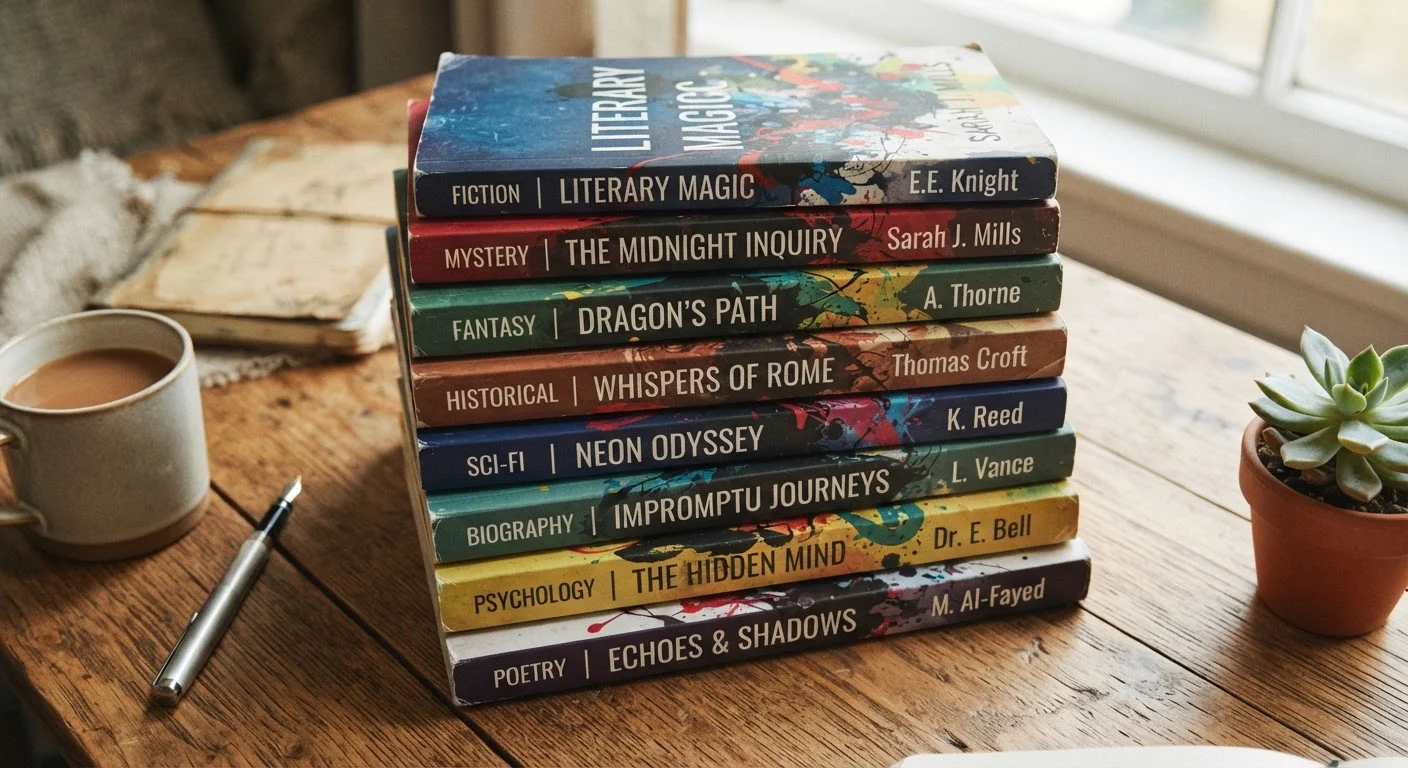
Readers who juggle multiple titles often describe their stacks as a kind of menu - different books for different moods, energy levels, or physical locations. A dense nonfiction title stays on the desk; a light novel lives on the nightstand; an audiobook plays during the commute. The books don't compete; they serve different functions.
No escape when the mood doesn't fit
A single-book approach means you're stuck if you're not in the right headspace for what you're reading, which can lead to prolonged reading slumps or abandoned books.
Narrative threads can blur across books
Reading similar genres simultaneously risks mixing up character names, timelines, or plot details, which undermines the enjoyment of all titles involved.
Infrequent sessions cause costly re-reading
If each book in a multi-book stack gets touched only once a week or less, you may need to re-read significant passages just to remember where you are.
Emotional investment can feel diluted
Splitting attention across several stories makes it harder to build the sustained emotional connection that makes certain books genuinely memorable.
Easier to quietly abandon books
A paused book in a multi-book stack can become a permanently shelved one without the reader consciously deciding to quit - a form of reading avoidance in disguise.
This flexibility is the strongest argument for simultaneous reading. When one book stalls, you can pivot without abandoning it entirely. That pivot often cures the stall - returning to a difficult book after a day with something easier can make the original feel fresh again.
The risks are real, though. Narrative threads blur when you're reading several works of similar genre at the same time. Character names overlap, timelines confuse, and the emotional stakes of any single story can feel diluted. Retention also suffers if the reading sessions for each book become too infrequent - put a novel down for two weeks and you may need to re-read entire chapters to regain your footing.
When Genre Mix Matters Most
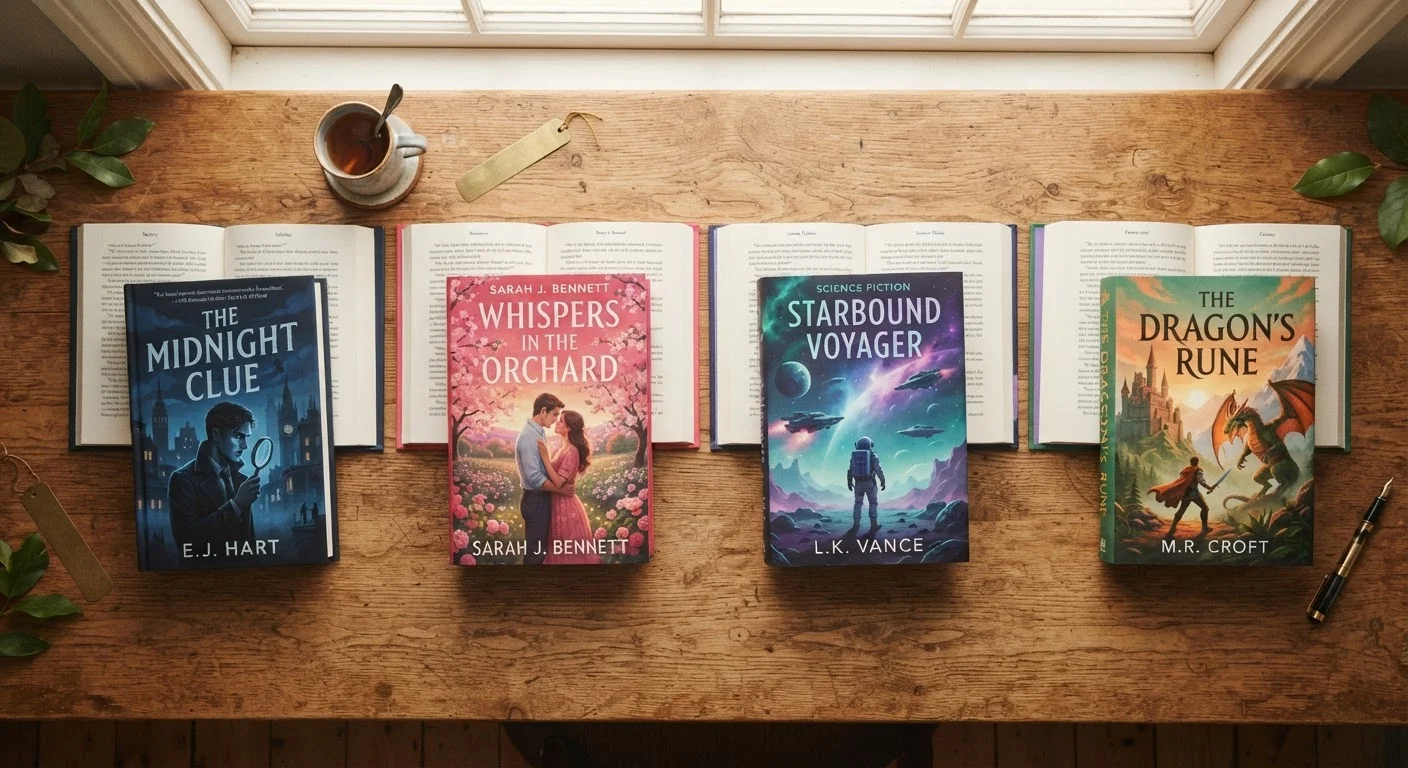
The risk of confusion between simultaneous reads is highest when the books share similar settings, time periods, or character types. Pairing a dense historical novel with a contemporary memoir, or a literary thriller with a popular science title, creates enough mental distance that the books rarely interfere with each other. The more distinct the genres, the more naturally a multi-book approach tends to work.
If you're curious how format choices interact with this decision, comparing physical books, e-readers, and audiobooks is worth a look - format often shapes how naturally multiple books coexist in a reading life.
Making the Method Work for You
The most important variable isn't the number of books - it's how intentional you are about the books you choose and when you read them. Readers who thrive with multiple simultaneous titles tend to follow a few informal rules: keep genres distinct (no two thrillers at once), maintain a minimum reading frequency for each book so the thread stays warm, and be honest about when a book has been effectively abandoned rather than just "paused."
Single-book readers, meanwhile, benefit from being thoughtful about sequencing. Choosing what comes next matters - picking your next book quickly and confidently prevents the dangerous gap between finishing one book and starting another, which is when reading habits quietly collapse.
~55%
American adults who read multiple books simultaneously
Surveys by Pew Research Center on American reading habits suggest a majority of regular book readers have more than one book actively in progress at a given time.
1 in 4
Readers who abandon books mid-way
Reading behavior research consistently finds that a significant share of started books are never finished, a pattern more common among readers with large simultaneous stacks.
Whichever approach you adopt, tracking what you read adds a layer of self-awareness that improves both methods. Seeing your reading history can reveal whether your multi-book stack is genuinely active or quietly accumulating unfinished titles.