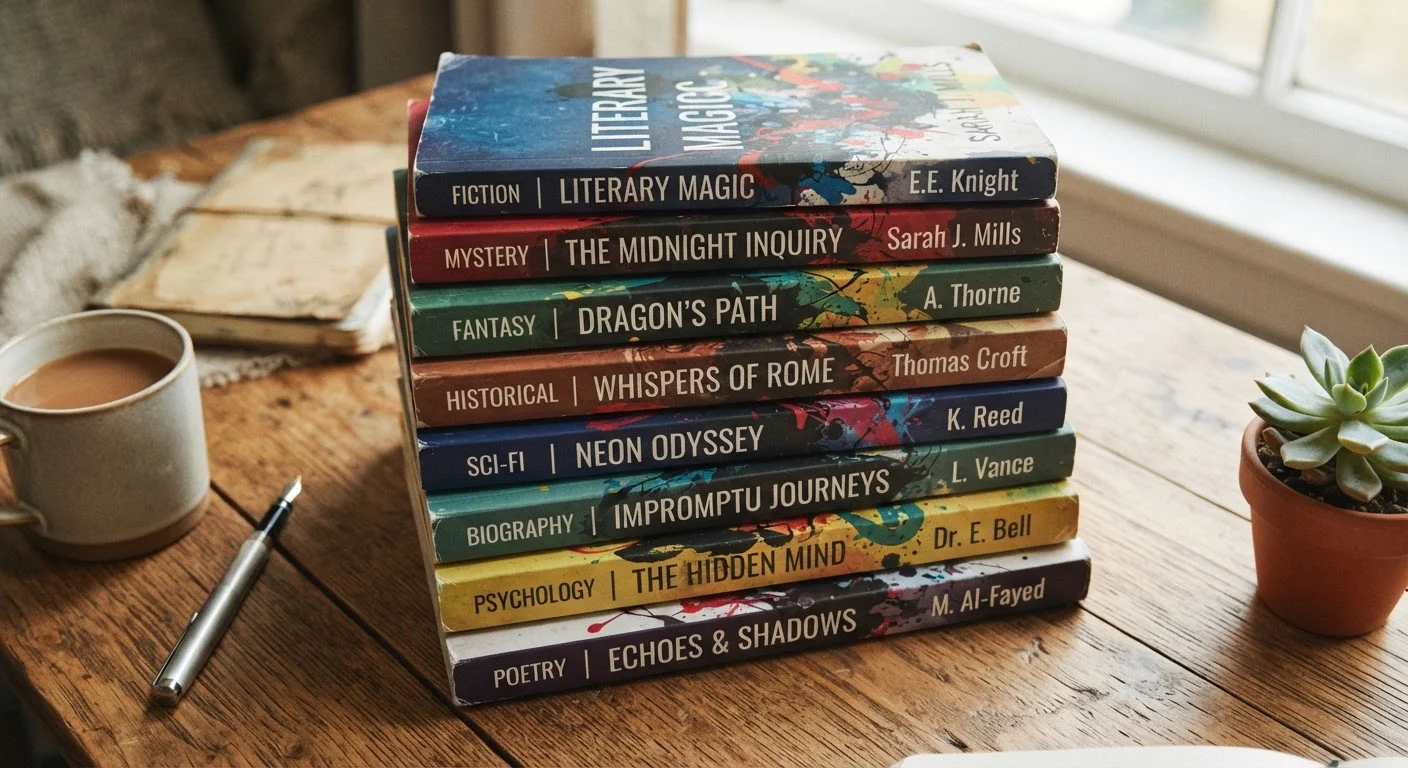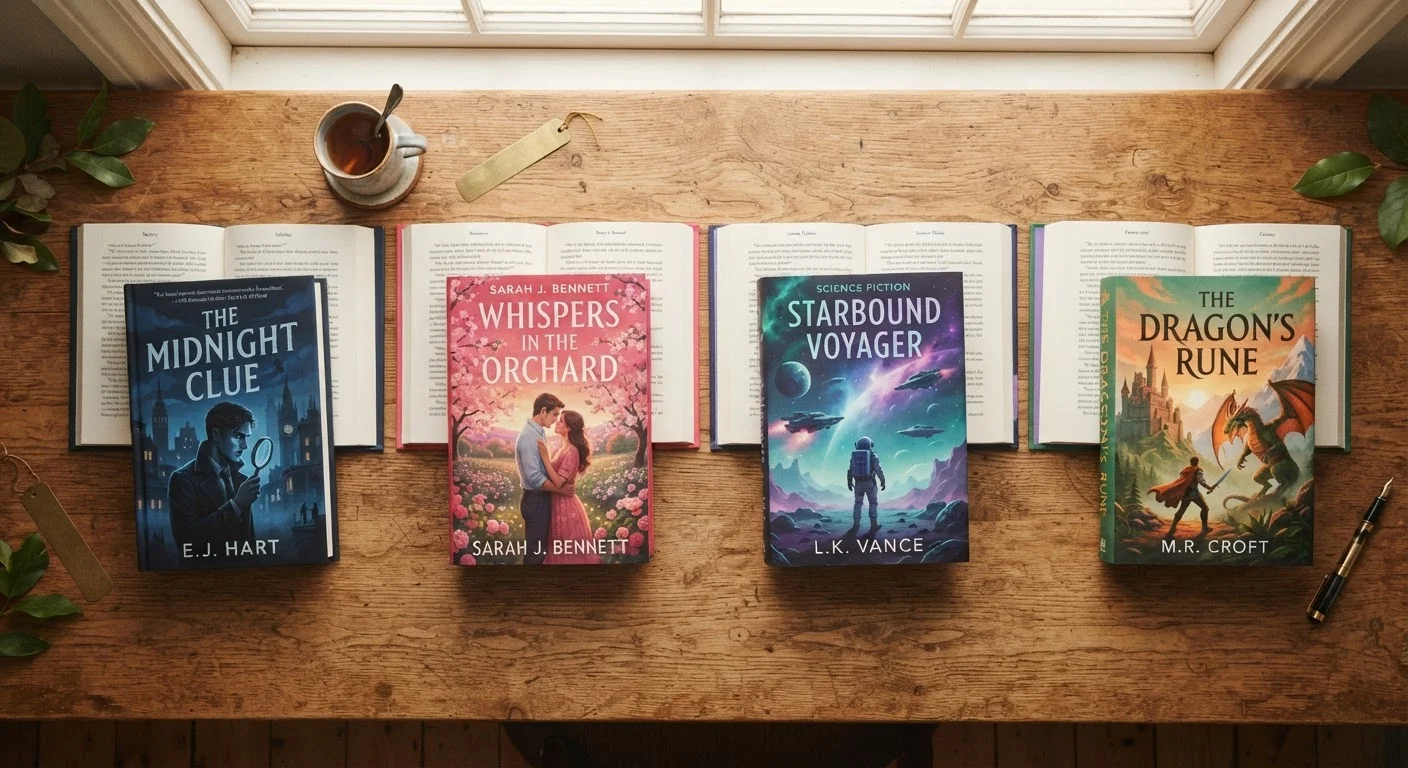
Why Genre Fit Matters More Than You Might Think
Most readers who describe themselves as "not a book person" have simply never found their genre. They've been handed the wrong key for their particular lock - literary fiction when they needed a thriller, self-help when they needed a novel. The result is a nagging sense that reading just isn't for them, when the real issue is a mismatch between what a book is doing and what that reader actually needs.
Genre isn't just a marketing label on a spine. As explored in our piece on what makes literary genres stick, each category carries a set of reader expectations, emotional contracts, and structural conventions that shape the entire experience. When you pick a book that honors your expectations, you're far more likely to finish it - and to want another one just like it.
The signals that point you toward your ideal genre are already present in how you spend your time, what questions keep you up at night, and how you like to feel at the end of a good story. The steps below help you read those signals deliberately.
What you will need
How to Use Your Reactions to Find Your Genre Home
Following the steps above is only the beginning. The deeper work is learning to trust your reactions as information rather than judgments. When a book bores you, that's not a character flaw - it's a signal. When a book keeps you up past midnight, that's not an accident - it's your reading identity speaking clearly.
Keep a Quick Reading Journal
After finishing a book - or abandoning one - jot down a single sentence about how it made you feel. Over time, patterns emerge that reveal your true genre identity far more reliably than any quiz. Even a note in your phone's memo app works perfectly well.
One thing worth remembering: genre mismatch is not the same as a bad book. Sometimes a well-written book simply doesn't land because it's the wrong genre for you at that moment, not because anything is wrong with the writing. Separating those two judgments will make you a more generous - and more self-aware - reader over time.
Your reading habits, once aligned with the right genre, tend to reinforce themselves naturally. Research into how reading routines form suggests that identity-based behavior - thinking of yourself as "a mystery reader" or "a science fiction reader" - is one of the most reliable drivers of consistent reading. Finding your genre isn't just about enjoying individual books. It's about building a reading life that genuinely feels like yours.
There Is No Wrong Genre to Love
Reading is a personal experience, and no genre is inherently more valuable or worthy than another. Romance, science fiction, literary fiction, and true crime all offer legitimate, enriching ways to engage with the written word. Resist any pressure to read what you think you 'should' enjoy - the genre that keeps you turning pages is always the right one.