Why Choosing a Book Feels Harder Than It Should
The average American reader with an active to-be-read list faces a paradox: the more books they have access to, the harder it becomes to actually start one. Psychologists describe this as the paradox of choice - the idea that an abundance of options can produce anxiety rather than satisfaction, making decisions feel high-stakes even when they're not. For readers, this plays out as twenty minutes of aimless scrolling through a Kindle library, followed by putting the phone down and watching television instead.
The fix isn't reading fewer books or caring less about what you pick. It's having a lightweight framework that turns a vague, emotional choice into a practical, five-minute process. The steps below are built around that idea. If you're newer to building consistent reading habits, starting a reading life from scratch offers a helpful foundation before diving in.
The Real Cost of Indecision
Every minute spent staring at your bookshelf or scrolling Goodreads is a minute you're not reading. Repeated indecision can quietly erode the reading habit itself - not because you don't love books, but because the friction of choosing becomes discouraging. A reliable decision process protects your momentum as much as any other reading habit.
What You'll Need Before You Start
This process works best when you already have a small pool of titles to draw from - even a loose mental list counts. If your TBR is completely empty, spend five minutes asking a librarian, checking a reader community, or browsing a genre you've enjoyed before. Then come back here.
What you will need
Keep a Rolling "Next Up" Shortlist
After finishing a book, don't wait until you're in the mood to choose the next one - that's when decision fatigue strikes hardest. Instead, maintain a running shortlist of two or three titles you've already pre-approved using the criteria here. When you're ready for something new, the decision is already made.
How to Pick Your Next Book: Step by Step
Work through these steps in order. Most readers find they reach a confident decision by step four, often sooner. The entire process should take no more than ten to fifteen minutes - and considerably less once it becomes habit.
Check in with your current mood and energy
Before you look at a single title, spend sixty seconds being honest about where your head is right now. Are you emotionally depleted and craving something light? Intellectually restless and hungry for ideas? Tense and needing an escape into pure plot? Your mental state is the single most reliable filter you have. A dense historical biography that would captivate you on a quiet Sunday might feel impossible after a grinding workweek. Match the book to the reader you are today, not the reader you aspire to be.
Consider how much time you can realistically give each session
A 600-page literary novel asks something different of you than a punchy 220-page thriller. Think about your reading windows over the coming weeks. Short, fragmented pockets of time - commutes, lunch breaks - favor books with short chapters or episodic structure. Longer, uninterrupted evenings support books that reward slow immersion. If you want guidance on carving out those windows in the first place, see strategies for fitting reading into a packed schedule.
Narrow by genre using your pacing and subject preferences
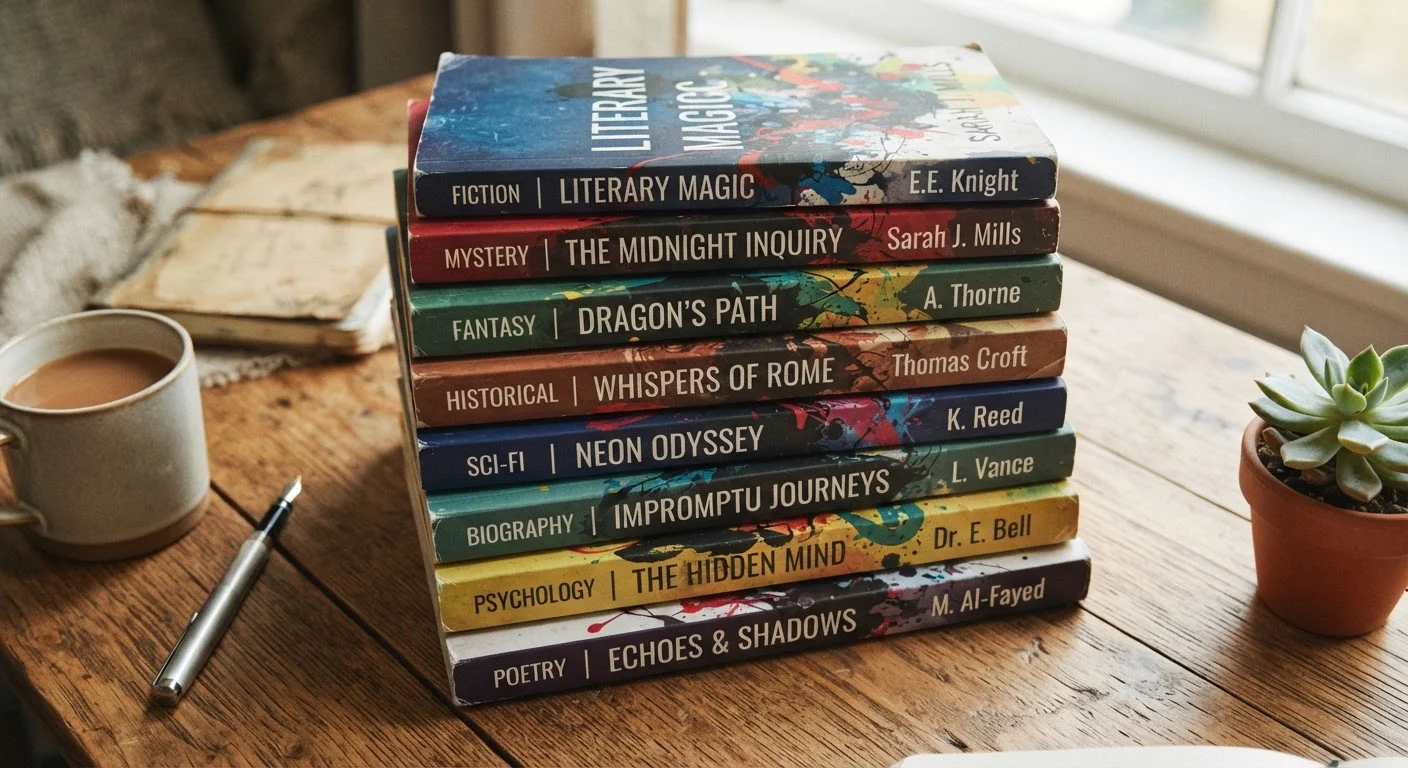
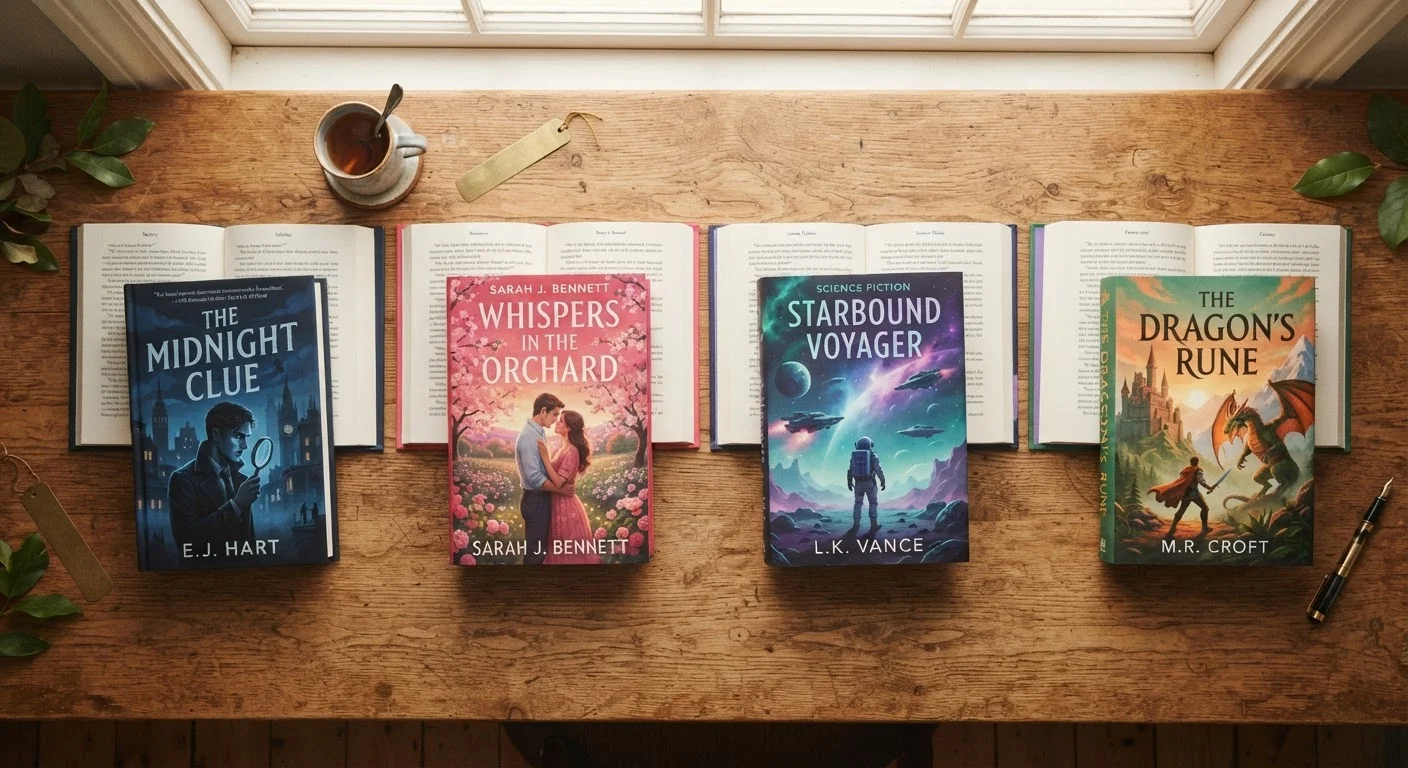
Genre is shorthand for a set of implicit promises a book makes - about pacing, emotional register, and the kind of payoff waiting at the end. If you know you want fast pacing and high stakes, you're already pointing toward thrillers or certain science fiction. If you want warmth and character depth, literary fiction or memoir may fit better. Not sure which genre actually suits you? The signals worth paying attention to - mood, pacing preference, subject passion - are explored in depth in our piece on finding your reading identity through genre signals.
Read the first two pages - right now
This is the fastest and most honest filter available. Open to page one and read. You'll know within two pages whether the voice feels accessible or exhausting, whether the opening world pulls you in or leaves you cold. Don't rely entirely on cover copy or aggregated ratings - those tell you what other people felt. The sample tells you what you feel, right now, with this book in your hands.
Decide and commit - with a guilt-free exit clause
Once you've chosen, commit. Hovering between options after you've started reading fragments your attention and weakens the reading experience. That said, it's worth knowing that abandoning a book that genuinely isn't working for you is a legitimate choice, not a failure. The point of the process above is to dramatically reduce poor fits upfront - but if a book still isn't clicking after a reasonable sample, giving yourself permission to set it aside keeps your momentum intact. The goal is consistent, enjoyable reading, not a perfect completion record. For a broader view of how book selection fits into a durable reading life, see building a sustainable reading life.
One Last Thought: Single Book or Several at Once?
Once you've chosen your next book, you may find yourself wondering whether to read it exclusively or alongside other titles. That's a genuinely personal question with real trade-offs on both sides. Our piece on reading one book versus several at once walks through both approaches honestly, so you can decide what fits your habits rather than defaulting to either extreme. Either way, the most important thing is that you've made a choice and you're reading - and that's exactly where the fun begins.