
What We Know - and What We Don't
Gut health has become one of the most talked-about topics in nutrition, generating a mix of genuine scientific progress and considerable hype. For readers trying to make informed food choices, separating the two matters. This article focuses on what the evidence currently supports, where research is still developing, and what remains uncertain.
The gut microbiome is extraordinarily complex. Each person hosts a unique microbial community influenced by genetics, birth history, antibiotic use, geography, and diet. Because of this complexity, drawing universal dietary prescriptions is scientifically premature - even as the research base grows rapidly.
For a grounded foundation on nutrition science broadly, see what healthy eating actually means according to nutrition science.
How Diet Shapes the Microbiome
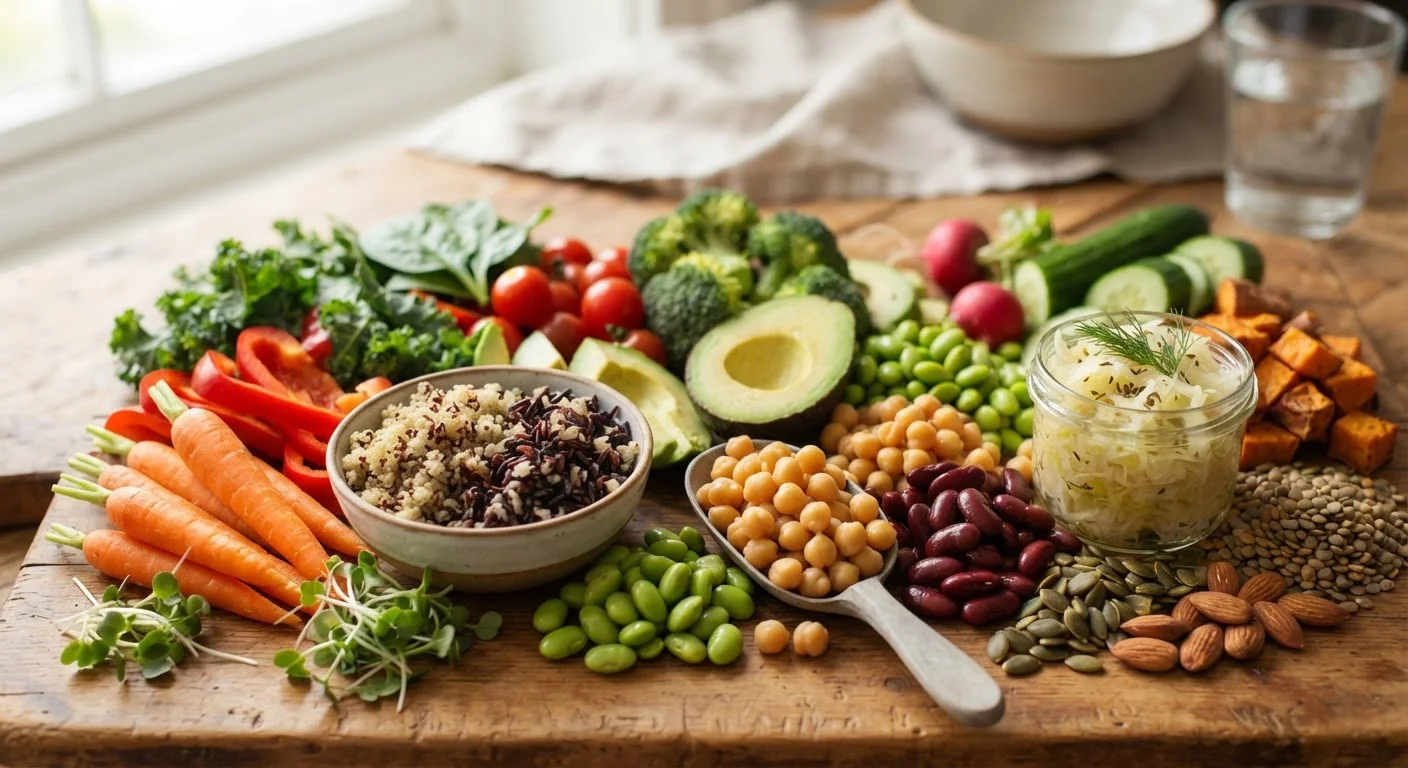
Among all lifestyle factors studied, diet is one of the most powerful modulators of microbiome composition. Large-scale research - including studies from the American Gut Project - has found that people who eat a wider variety of plant foods tend to have more diverse gut microbiomes. Microbial diversity is generally considered a marker of a healthier gut, though the science around what diversity specifically means for individual health outcomes is still being refined.
Dietary fiber is the nutrient with the strongest body of evidence. Fiber feeds beneficial gut bacteria, particularly those that produce short-chain fatty acids (SCFAs) like butyrate - compounds linked in research to gut barrier integrity and immune modulation. Why dietary fiber matters more than most people realize covers this in greater depth.
38 trillion
Estimated microbial cells in the human gut
According to a widely cited 2016 estimate published in the journal Cell, microbial cells in the body are roughly equal in number to human cells.
30+
Plant varieties per week linked to microbiome diversity
The American Gut Project found that people eating more than 30 different plant types per week had significantly more diverse microbiomes than those eating 10 or fewer.
~95%
Of gut microbiome variance explained by diet and environment
Research suggests genetics account for a relatively small portion of microbiome composition, with modifiable factors like diet playing a dominant role.
Fermented foods represent a growing area of interest. A 2021 randomized controlled trial published in Cell found that a high-fermented-food diet increased microbiome diversity and decreased markers of inflammation, compared to a high-fiber diet alone in the same study period. While promising, this was a single trial with a small sample, and the findings need replication before firm conclusions can be drawn.
What the Evidence Doesn't Yet Support
Much microbiome marketing outpaces the science. Personalized nutrition based on microbiome testing - the idea that your specific microbial profile should dictate what you eat - is an exciting hypothesis but not yet an evidence-based clinical practice. Major nutrition and gastroenterology organizations have not adopted microbiome testing as a standard recommendation for healthy adults.
Similarly, claims that specific supplements can reliably "fix" or "optimize" the microbiome for particular outcomes lack consistent human trial evidence. The gut microbiome is resilient and dynamic; it does not respond predictably to simple interventions in the same way across different people.
Understanding broader eating patterns helps contextualize this. See what eating patterns research tells us about long-term wellness for an overview of what population-level research actually shows.
Practical, Evidence-Grounded Takeaways
Despite the unsettled edges of microbiome science, several dietary principles have consistent support across multiple lines of evidence:
- Increase plant food diversity. Aim for a wide variety of vegetables, fruits, legumes, whole grains, nuts, and seeds rather than focusing on any single superfood.
- Prioritize fiber. Most Americans fall short of recommended fiber intake. Incremental increases through whole plant foods are practical and supported by evidence.
- Include fermented foods regularly. Yogurt, kefir, kimchi, sauerkraut, and similar foods contribute live cultures and may support microbial diversity.
- Limit ultra-processed foods. High intake is associated with reduced microbial diversity in observational research, though causation is complex.
For a broader look at daily habits and gut health, gut health and daily habits the science currently supports offers an honest assessment of where evidence is strongest.
The microbiome-brain connection is another active area of research - what the science actually says about the gut-brain axis separates established findings from speculation on that front.
This article is for general informational and educational purposes only and does not constitute medical advice. Consult a qualified healthcare provider or registered dietitian before making significant dietary changes, especially if you have a diagnosed health condition.