
What We Actually Know About the Gut Microbiome
The gut microbiome - the vast community of bacteria, fungi, and other microorganisms living in your digestive tract - has become one of the most actively researched areas in medicine. Headlines frequently overstate what scientists have confirmed, so it's worth grounding expectations in what the evidence genuinely supports.
Researchers have established that microbiome composition varies considerably between individuals and is shaped by genetics, early-life exposures, medications, and long-term dietary patterns. Large observational studies consistently link greater microbial diversity to markers of metabolic and immune health, though causation is often still being worked out. For a deeper look at diet's specific role, see our explainer on diet and the microbiome.
Importantly, no single food, supplement, or routine has been shown to reliably "fix" the gut microbiome. What the science does support is a cluster of consistent daily habits that appear to create conditions favorable to a healthier microbial environment.
| Microorganisms in the gut | Approximately 38 trillion (Sender et al., Cell, 2016) |
| Primary fuel for beneficial gut bacteria | Dietary fiber (prebiotics) (National Institutes of Health) |
| Fermented food study finding | Increased microbiome diversity vs. high-fiber diet alone (Wastyk et al., Cell, 2021) |
| Key lifestyle factors linked to diversity | Diet variety, physical activity, sleep quality (Multiple observational studies) |
| Antibiotic impact on microbiome | Can reduce diversity for weeks to months (Langdon et al., Gut Microbes, 2016) |
Daily Habits With Credible Evidence Behind Them
Prioritize dietary fiber. Fiber is the nutrient most consistently linked to microbiome diversity in human studies. Gut bacteria ferment certain fibers - called prebiotics - producing short-chain fatty acids that support the intestinal lining and modulate inflammation. Legumes, oats, vegetables, and whole fruits are well-studied sources. Fiber's benefits extend well beyond digestion, influencing blood sugar regulation and heart health as well.
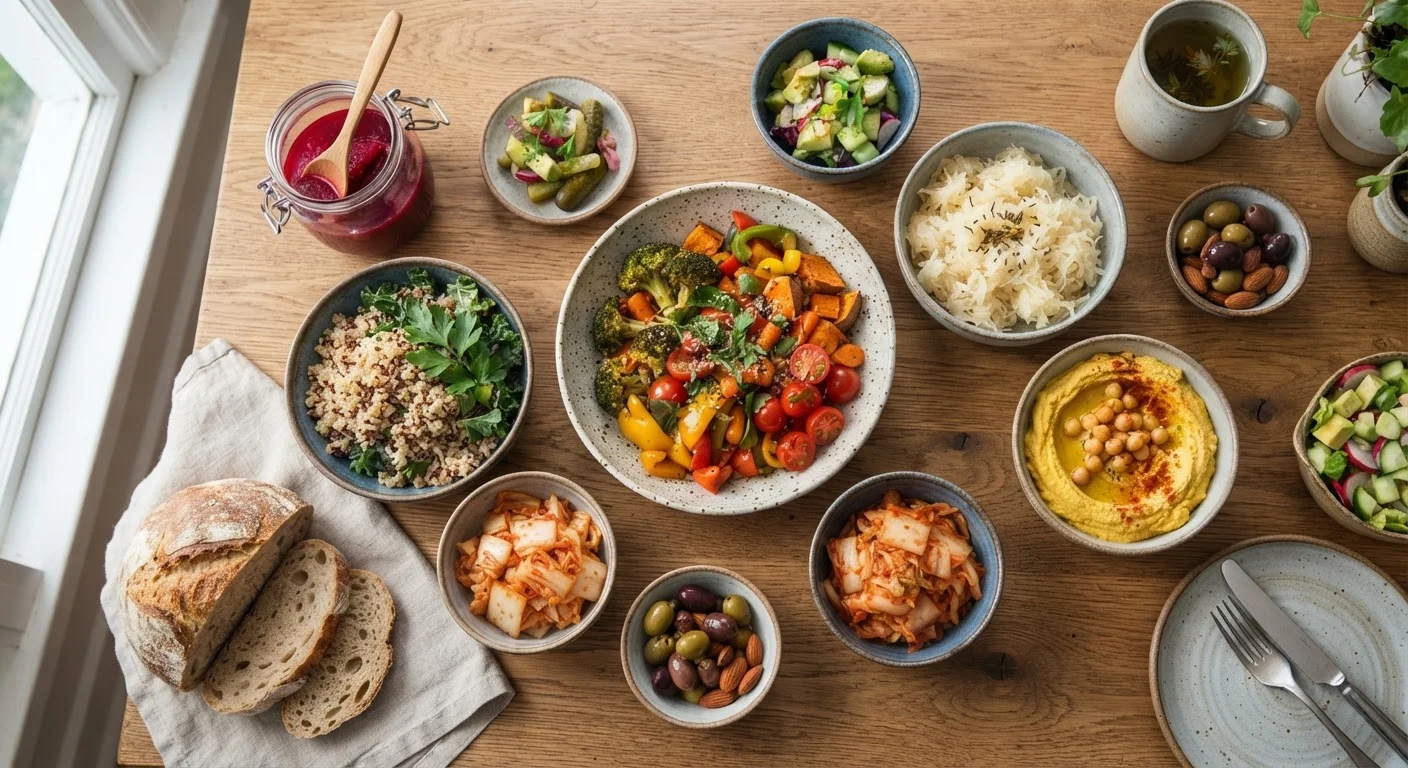
Include fermented foods where tolerable. Foods like yogurt with live cultures, kefir, kimchi, and sauerkraut contain live microorganisms. A 2021 clinical trial published in Cell found that a high-fermented-food diet increased microbiome diversity and reduced some inflammatory markers compared to a high-fiber diet alone - though researchers noted individual responses varied widely. These foods are not a substitute for broader dietary quality.
Manage sleep and stress. Disrupted sleep and chronic psychological stress are each associated with shifts in gut microbial composition in both animal and human studies. The gut-brain relationship is bidirectional and complex - for a careful review of what's established, see our overview of the gut-brain axis. Consistent sleep schedules and stress-reduction practices like mindfulness have plausible, if not yet fully mapped, downstream effects on gut health.
Move your body regularly. Physical activity is independently associated with greater microbiome diversity in observational research. The mechanisms are still under investigation, but regular moderate exercise appears to be a supporting factor for gut health alongside diet - not a replacement for it.
Use antibiotics only when medically necessary. Antibiotics can substantially reduce microbial diversity, sometimes for months. This isn't a reason to avoid them when genuinely needed, but it underscores why unnecessary use has real biological costs. Always follow your healthcare provider's guidance.
What to Be Skeptical About
Probiotic supplements are widely marketed but the evidence for healthy adults is more limited than packaging often implies. Most ingested strains don't colonize the gut long-term, and benefits are generally strain-specific and condition-specific. They may have value in certain clinical contexts - such as following antibiotic treatment - but broad preventive claims lack strong support for the general population.
Detox regimens, gut-cleansing protocols, and elimination diets promoted online frequently lack peer-reviewed evidence and can sometimes disrupt the dietary variety that actually supports microbial diversity. A consistent, varied diet generally serves the gut better than periodic dramatic interventions.
Building sustainable daily habits across life stages is more effective than chasing single solutions. Gut health is also not isolated from the rest of your well-being - sleep, movement, social connection, and habits that support mood stability all interact in ways that research continues to clarify.
This article is for general informational purposes only and does not constitute medical advice. If you have digestive symptoms, concerns about your gut health, or questions about diet changes, consult a qualified healthcare professional.