Why Screen Time Gets So Much Blame
Few bedtime habits attract more confident warnings than scrolling a phone or watching a show before sleep. The concern is real enough to appear in public health guidelines, pediatric recommendations, and countless wellness articles. But the scientific story is messier - and more interesting - than the headline version most people have heard.
Understanding what the evidence actually says requires separating two distinct issues: the biological effects of light emitted by screens, and the psychological effects of the content on those screens. Both matter, but they don't matter equally. To understand why sleep is worth protecting in the first place, it helps to know what the brain is doing while you rest.
Myth
Blue light from phones is the primary reason screens disrupt sleep.
Fact
Blue light plays a role, but the mental stimulation from engaging content is likely a larger contributor to delayed sleep.
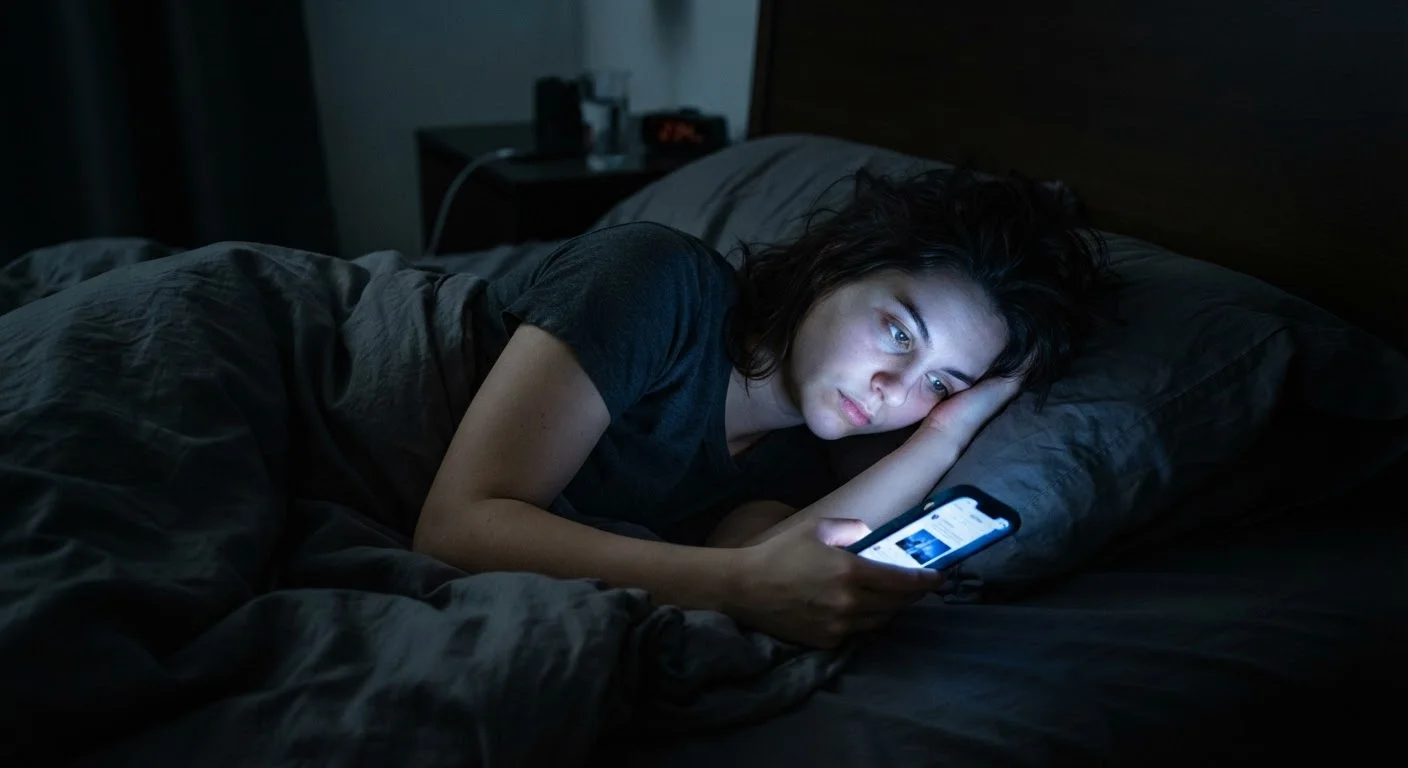
Blue light (wavelengths around 480 nm) does suppress melatonin, the hormone that signals the body to prepare for sleep. However, most screens emit blue light at intensities far lower than sunlight or indoor ceiling lighting. Research published in journals such as Sleep Medicine Reviews has noted that the effect of typical screen use on melatonin suppression is modest under real-world conditions. The more consistent disruptor is psychological arousal - news alerts, social feeds, and compelling video content all keep the brain in a vigilant, activated state that competes with the drowsiness needed to fall asleep.
Myth
Blue-light-blocking glasses and night mode effectively eliminate screen-related sleep problems.
Fact
Evidence for these interventions improving sleep is limited and inconclusive in healthy adults.
Night mode features and amber-tinted glasses reduce the proportion of short-wavelength light reaching the eye, but multiple randomized controlled trials have found little to no significant improvement in objective sleep measures - such as sleep onset latency or total sleep time - in adults with otherwise normal sleep. A 2021 review in Ophthalmic and Physiological Optics concluded that evidence for blue-light-filtering lenses improving sleep was insufficient. These tools are not harmful, but relying on them as the main solution may give a false sense of protection while other habits go unaddressed.
Myth
Any screen use within an hour of bedtime ruins your sleep.
Fact
The type of content and your individual response matter far more than a strict time cutoff.
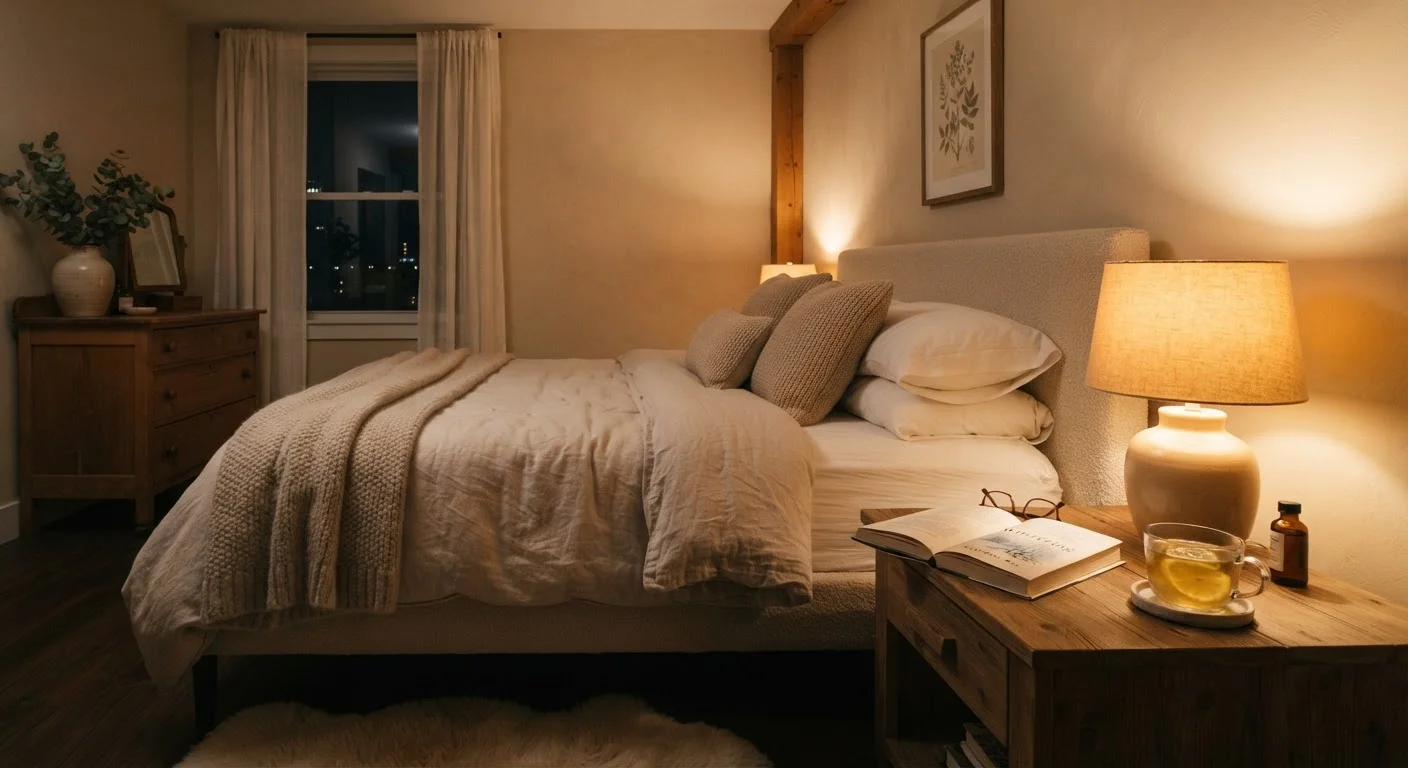
Blanket one-hour rules are practical heuristics, not firm physiological thresholds. Calm, low-stimulation screen activity - such as reading a slow-paced e-book with brightness turned down - has a different impact than scrolling emotionally charged social media. Individual variability also plays a meaningful role: some people are highly sensitive to pre-sleep stimulation while others show minimal response. Current research does not support a universal hard cutoff, though winding down with lower-intensity activities in the final hour before bed is a reasonable, evidence-informed habit for most people.
Myth
Children and teenagers are affected by screens in the same way adults are.
Fact
Developing brains and circadian systems respond differently, and evidence of harm in younger populations is generally stronger.
Pediatric and adolescent research consistently shows larger associations between evening screen use and sleep disruption than adult studies do. Adolescents already experience a biological delay in circadian phase - a natural tendency to fall asleep and wake later - and late-night screen use compounds this shift. The American Academy of Pediatrics recommends screen-free time before bed for children and teens, and the evidence base supporting those guidelines is more robust than recommendations aimed at healthy adults. Parents and caregivers of young people should consult a pediatrician for age-appropriate guidance.
Myth
Watching TV before bed is safer than using a smartphone.
Fact
The distance from the screen matters less than what you're watching and how activated it makes you feel.
Televisions are typically viewed from several feet away, which does reduce light intensity reaching the eyes compared with holding a phone inches from your face. However, engaging, high-stakes, or emotionally stimulating programming - crime dramas, live sports, political news - activates the sympathetic nervous system regardless of screen size or distance. Conversely, a muted, slow-paced program watched at low brightness may be less disruptive than intense smartphone use. The physiological distance argument is real but easily overwhelmed by content-driven arousal effects.
What the Science Actually Supports
The strongest evidence points to behavioral and psychological mechanisms rather than purely photobiological ones. Checking email, engaging with social media, or watching emotionally charged content keeps the nervous system in an alert state - the opposite of what sleep requires. This cognitive arousal delays sleep onset regardless of whether a device is involved at all.
That said, light exposure in the hours before bed genuinely does influence the body's circadian system. The issue is magnitude. Laboratory studies use light levels far higher than most real-world screens produce, which makes translating those findings to everyday device use difficult. Sleep hygiene research consistently shows that regularity, temperature, and pre-bed mental state carry more practical weight than device bans alone.
~30%
U.S. adults reporting insufficient sleep
The CDC has estimated that roughly 1 in 3 American adults regularly get less than the recommended 7 hours of sleep per night.
~6 min
Average sleep delay from bright screen exposure
A 2015 study in <cite>PNAS</cite> found that reading on a light-emitting device before bed delayed sleep onset by roughly 6 minutes compared to reading a printed book, under controlled laboratory conditions.
~90%
Americans using a device in the hour before bed
A National Sleep Foundation poll found that the vast majority of U.S. adults use some form of electronic device in the hour before they try to sleep at least a few nights per week.
For a practical approach to building habits around this, see what actually works in a wind-down routine. And if you prefer reading before bed, the format matters too - research on evening reading offers useful nuance.
This article is for general informational and educational purposes only and does not constitute medical advice. If you have concerns about sleep quality or a sleep disorder, please consult a qualified healthcare professional.