
Why Doctors Keep Bringing It Up
If you've ever mentioned poor sleep to a doctor or nurse practitioner, there's a good chance the phrase "sleep hygiene" came up within minutes. It's not a throwaway suggestion. Clinicians return to it because the evidence supports behavioral and environmental factors as genuine, modifiable influences on sleep - ones that don't carry the side-effect profile of sleep medications.
Sleep is regulated by two interconnected systems: the body's internal circadian clock and a sleep-pressure mechanism called homeostatic drive, which builds the longer you stay awake. Sleep hygiene practices work by supporting both systems - helping your clock stay synchronized and allowing sleep pressure to peak at the right time. To understand what's actually happening in the brain during this process, explore the neuroscience of sleep.
The Core Behaviors That Make a Difference
Sleep hygiene isn't a single habit - it's a cluster of behaviors that reinforce each other. Research consistently highlights several practices as particularly impactful:
- Consistent wake time: Waking at the same time every day - including weekends - is widely considered the single strongest behavioral anchor for the circadian clock. It stabilizes sleep timing more reliably than focusing on bedtime alone.
- Morning light exposure: Natural light in the first hour after waking signals to your brain that the day has begun, suppressing residual melatonin and advancing your internal clock appropriately.
- Caffeine timing: Caffeine has a half-life of roughly five to six hours in most adults, meaning a 3 p.m. coffee still has a significant presence in your system at 8 p.m. Limiting intake after early afternoon is a well-supported recommendation.
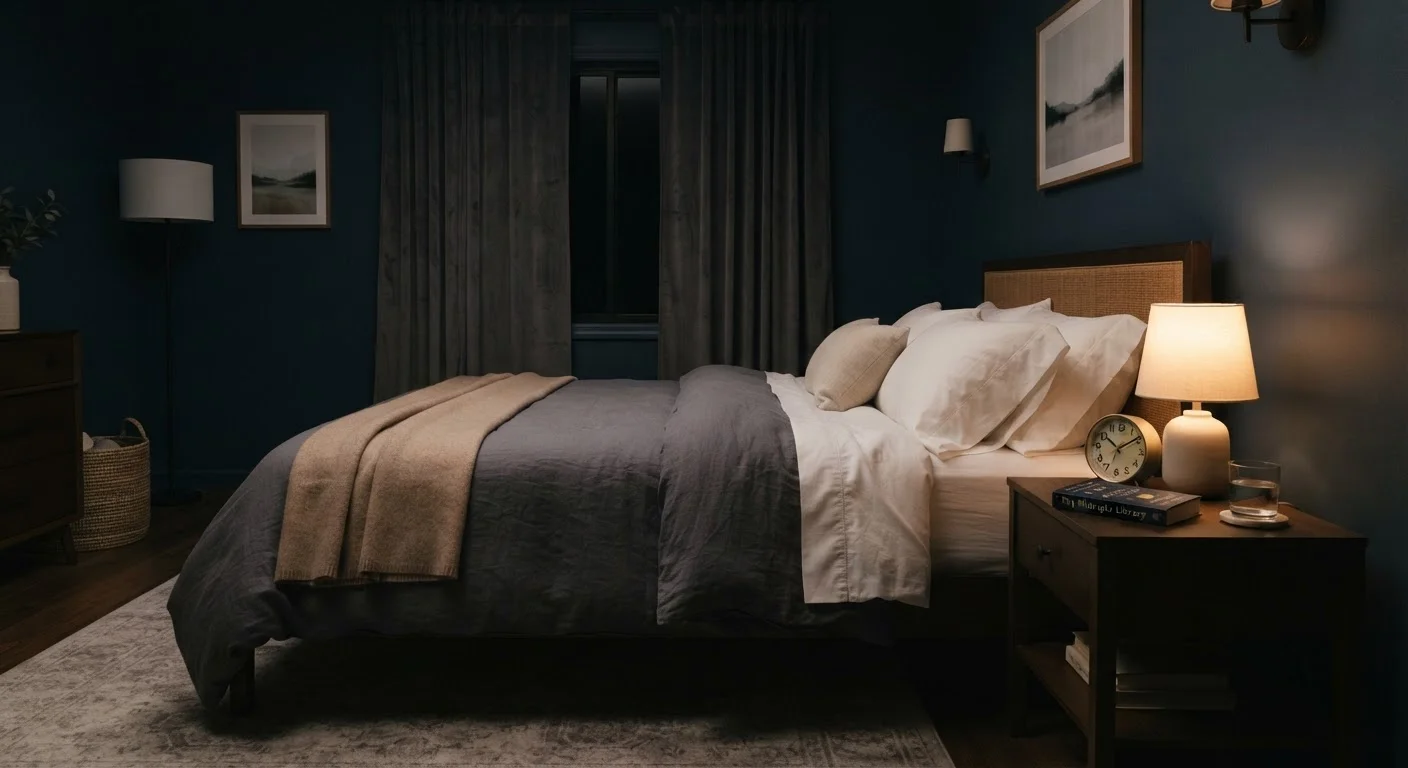
- Bedroom environment: A cool, dark, and quiet sleep space supports the drop in core body temperature that naturally accompanies sleep onset. Even low levels of light during sleep have been associated with disrupted rest in some studies.
Start With Your Wake Time, Not Your Bedtime
Most sleep specialists advise anchoring your schedule to a fixed wake time rather than trying to force an earlier bedtime. Your body's sleep drive will naturally shift your bedtime earlier over days as you maintain the consistent morning anchor. This approach tends to feel more sustainable and less frustrating.
What you do in the hour or two before bed also matters. Building an effective wind-down routine can help bridge the gap between the demands of the day and a genuinely restful night.
What Sleep Hygiene Cannot Do
It's worth being direct about the limits. Sleep hygiene is not a cure for insomnia disorder, sleep apnea, restless legs syndrome, or other diagnosable conditions. Research has found that hygiene education alone produces modest improvements and works best as one component within a broader behavioral framework - particularly cognitive behavioral therapy for insomnia (CBT-I).
There's also a risk that focusing narrowly on sleep rules can increase anxiety around sleep itself, which is counterproductive. The goal is to create conditions conducive to sleep, not to manufacture a perfect performance each night.
Hydration May Play a Supporting Role
Staying well-hydrated throughout the day supports overall bodily function, including temperature regulation during sleep. However, drinking large amounts of fluid close to bedtime can increase nighttime awakenings. Common hydration myths are worth knowing if you're trying to fine-tune your evening routine.
Digital habits before bed are frequently cited as a modern sleep disruptor - and the conversation is more layered than often presented. What the evidence actually shows about screen time and sleep may surprise you.
If you've made consistent behavioral changes and still struggle with sleep, speaking with a healthcare provider is the appropriate next step. Persistent sleep difficulties deserve professional evaluation, not just more hygiene tips.
This article is for general informational and educational purposes only and does not constitute medical advice. If you have concerns about your sleep or health, please consult a qualified healthcare professional.