Carbohydrates: Your Body's First Choice for Fuel
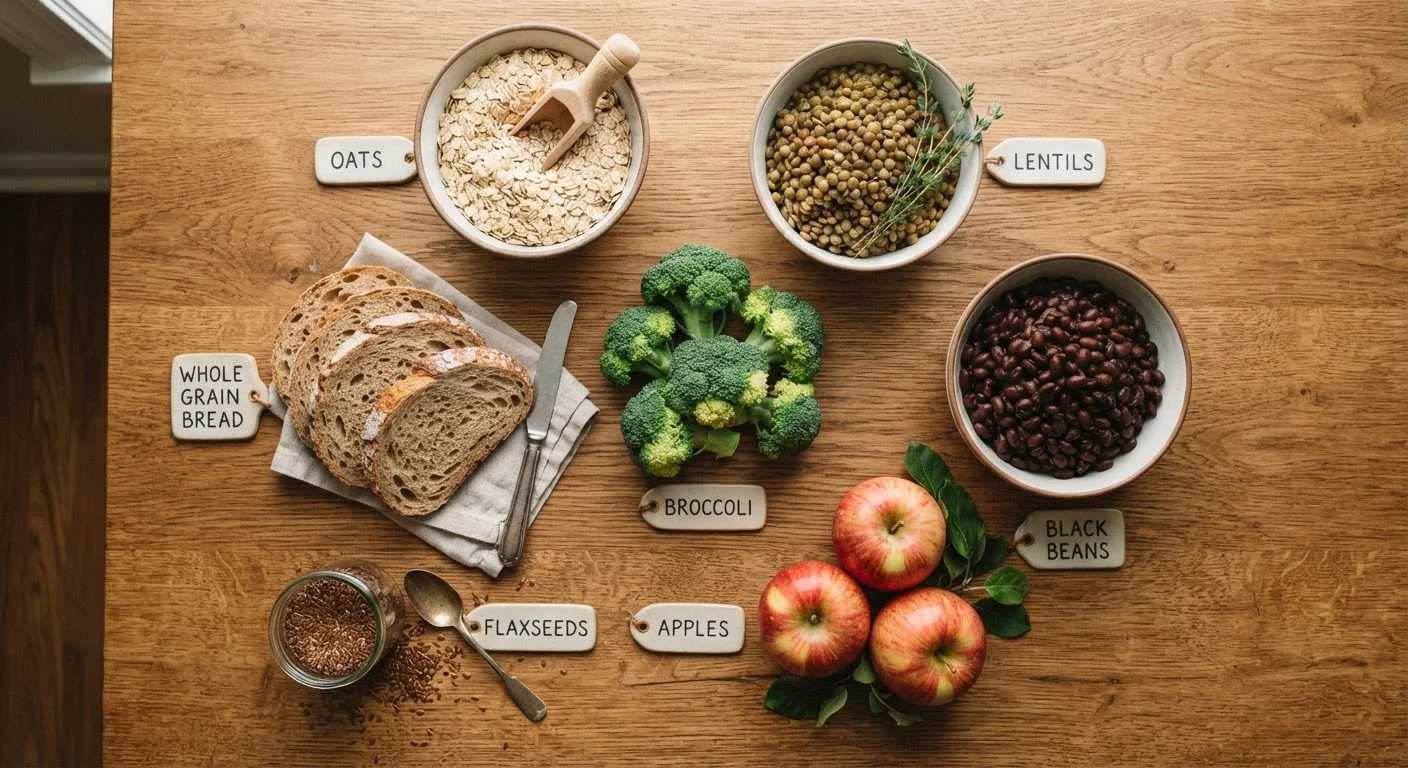
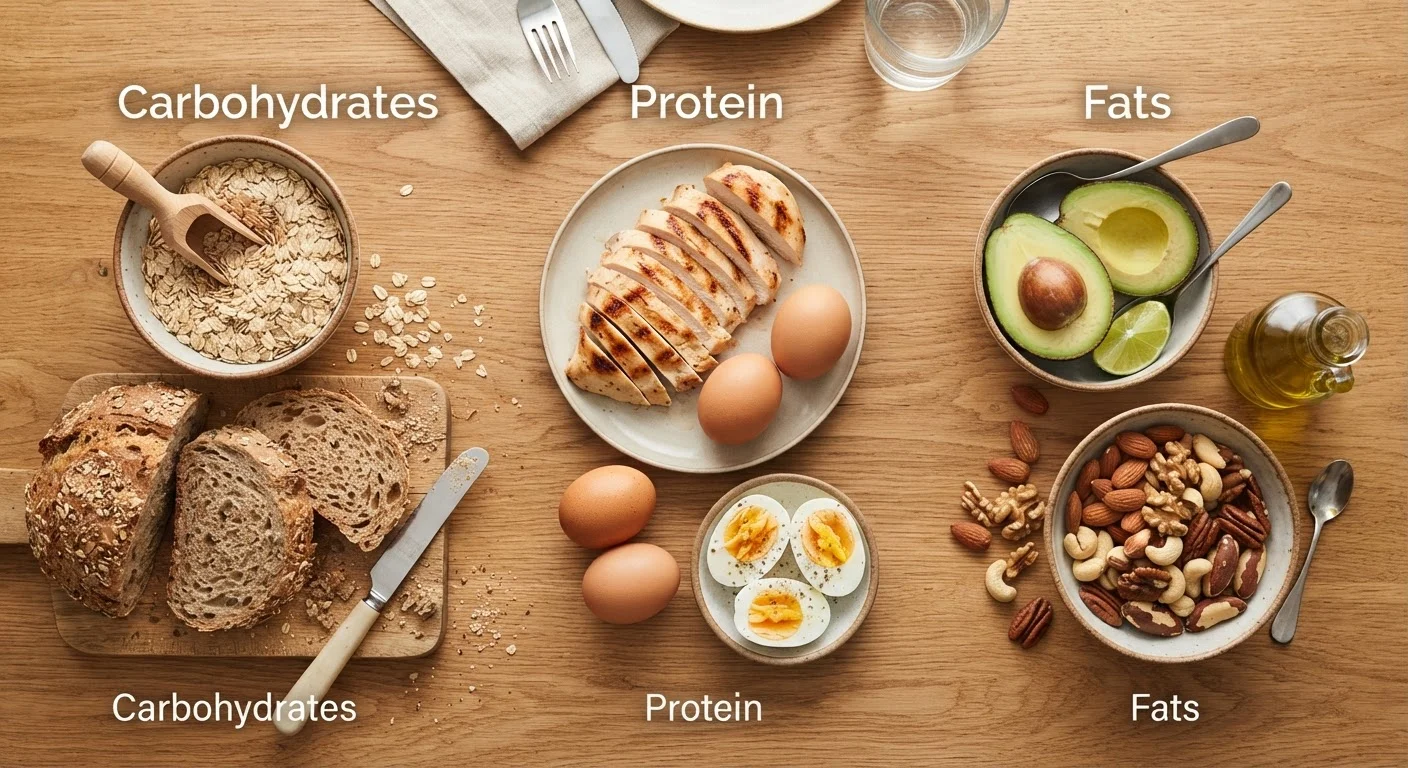
Carbohydrates are the body's preferred energy currency. When you eat carbs - whether from oats, lentils, fruit, or bread - your digestive system breaks them down into glucose. That glucose circulates in the bloodstream and powers your cells, especially the brain, which relies almost entirely on glucose under normal conditions.
Not all carbohydrates behave the same way. Simple carbohydrates (sugars found in fruit, dairy, and processed sweets) are digested quickly, producing a faster rise in blood glucose. Complex carbohydrates (found in whole grains, beans, and vegetables) digest more slowly, providing steadier energy and delivering dietary fiber along the way. Fiber supports digestion, helps you feel full, and feeds beneficial gut bacteria.
When you cut carbs drastically, your body shifts to burning fat and producing ketones for fuel - a state called ketosis. While some people follow ketogenic diets intentionally, eliminating carbs long-term also means losing fiber and many vitamins found in carbohydrate-rich whole foods. The goal for most people is choosing quality carbs, not avoiding them altogether. This point is examined further in our look at popular nutrition claims that don't hold up.
Protein: The Body's Builder and Maintainer
Protein does far more than build muscle. It's the raw material for enzymes that drive chemical reactions, antibodies that support your immune system, hormones like insulin, and structural components like hair and skin. Every cell in your body contains protein.
Proteins are made from chains of amino acids. Your body can produce some amino acids on its own, but nine are considered essential - meaning you must obtain them through food. Animal proteins (meat, fish, eggs, dairy) contain all nine essential amino acids in adequate proportions, making them complete proteins. Most plant proteins are incomplete, though combining foods like rice and beans over the course of a day delivers a full amino acid profile.
Getting Protein From Plants
You don't need to eat meat to meet your protein needs. Legumes, tofu, tempeh, edamame, quinoa, and dairy or eggs (if you include them) can all contribute meaningfully to your daily protein intake. Eating a variety of plant protein sources throughout the day helps ensure you get all essential amino acids.
Protein needs vary meaningfully by life stage and activity level. Older adults, pregnant individuals, and people recovering from illness often need more than the general baseline. A registered dietitian can provide tailored guidance - this article is for general educational purposes only.
Fats: Essential, Not the Enemy
Fat has a long-standing reputation problem, but nutrition science has largely rehabilitated it. Dietary fats are essential for absorbing fat-soluble vitamins (A, D, E, and K), insulating nerve cells, producing sex hormones, and maintaining cell membrane integrity. Your brain is roughly 60% fat by dry weight.
The type of fat matters. Unsaturated fats - found in olive oil, avocados, nuts, and fatty fish - are associated with cardiovascular benefits in a substantial body of research. Saturated fats (found mainly in red meat and full-fat dairy) warrant moderation according to most health guidelines. Trans fats, which were once common in processed foods, are now largely removed from the food supply due to demonstrated health risks.
Fat also makes food satisfying. Because it digests slowly and triggers fullness hormones, meals containing some fat tend to keep you full longer than fat-free alternatives. Removing all fat from your diet isn't just unnecessary - it can actively undermine nutrient absorption and leave you perpetually hungry.
45-65%
Recommended share of calories from carbohydrates
According to the Dietary Guidelines for Americans, most adults should derive 45-65% of their daily calories from carbohydrates.
10-35%
Recommended calorie share from protein
The Acceptable Macronutrient Distribution Range (AMDR) for protein is 10-35% of total daily calories for adults, per U.S. dietary guidelines.
20-35%
Recommended calorie share from fat
Health authorities recommend that fats make up 20-35% of total daily calories, with an emphasis on unsaturated fat sources.
Why Balance Matters More Than Elimination
Popular diet trends often demonize one macronutrient at a time - low-fat in the 1990s, low-carb in the 2000s and beyond. Research, however, consistently suggests that no single macronutrient is uniquely responsible for poor health outcomes. What matters more is the overall pattern of eating: food quality, variety, and calorie balance over time.
A diet built around minimally processed whole foods will naturally provide a workable distribution of all three macronutrients. The specifics can shift based on individual goals and health conditions, but dramatic elimination strategies often lead to nutrient gaps and are difficult to sustain.
For a complete picture of what your body needs beyond macronutrients, see our guide to vitamins and minerals your body can't make on its own. Understanding both macros and micros gives you a far more useful map of what a nutritious diet actually looks like.
This article is for general informational and educational purposes only and is not a substitute for personalized medical or dietary advice. Consult a qualified healthcare professional or registered dietitian before making significant changes to your diet.