Why Food Tastes Flat in the First Place
A dish that tastes 'almost there' but somehow dull is one of the most common frustrations in the home kitchen. The good news: flat flavor almost always has a diagnosable cause and a fast fix. The key is understanding that what we perceive as flavor is actually the combined result of salt, acid, fat, aromatics, and heat - and that any one of these being out of balance can make an otherwise well-cooked dish fall short.
Flavor isn't just what the tongue detects. A significant portion of what we experience as taste is actually aroma reaching the olfactory system through the back of the throat. That means dishes low in volatile aromatic compounds - often those undercooked in fat, or lacking fresh herbs and alliums - will taste muted no matter how much salt you add at the end.
The mistakes below are the most common reasons a dish ends up flat, along with concrete ways to fix each one before you plate.
Seasoning only at the end of cooking instead of in layers throughout.
Why it happens: Many home cooks are taught to 'season to taste' before serving, which gets interpreted as a single final step rather than an ongoing process.
Skipping acid entirely, leaving the dish one-dimensional.
Why it happens: Acid - lemon juice, vinegar, wine - is underused in savory cooking because home cooks associate it primarily with salad dressings or desserts.
Reducing or eliminating fat in an attempt to make a dish 'healthier,' which strips flavor.
Why it happens: Fat has a poor nutritional reputation for many people, so they cut butter, oil, or cream without understanding that fat carries and amplifies flavor compounds.
Not tasting the dish during cooking, only right before serving.
Why it happens: Tasting during cooking can feel unnecessary, especially when a recipe is being followed closely. Cooks trust the recipe to handle seasoning for them.
Overcrowding the pan during searing or sautéing, which steams food instead of browning it.
Why it happens: It feels efficient to cook everything at once, and the visual difference between steaming and browning isn't obvious until it's too late.
How to Taste and Adjust Like a Cook
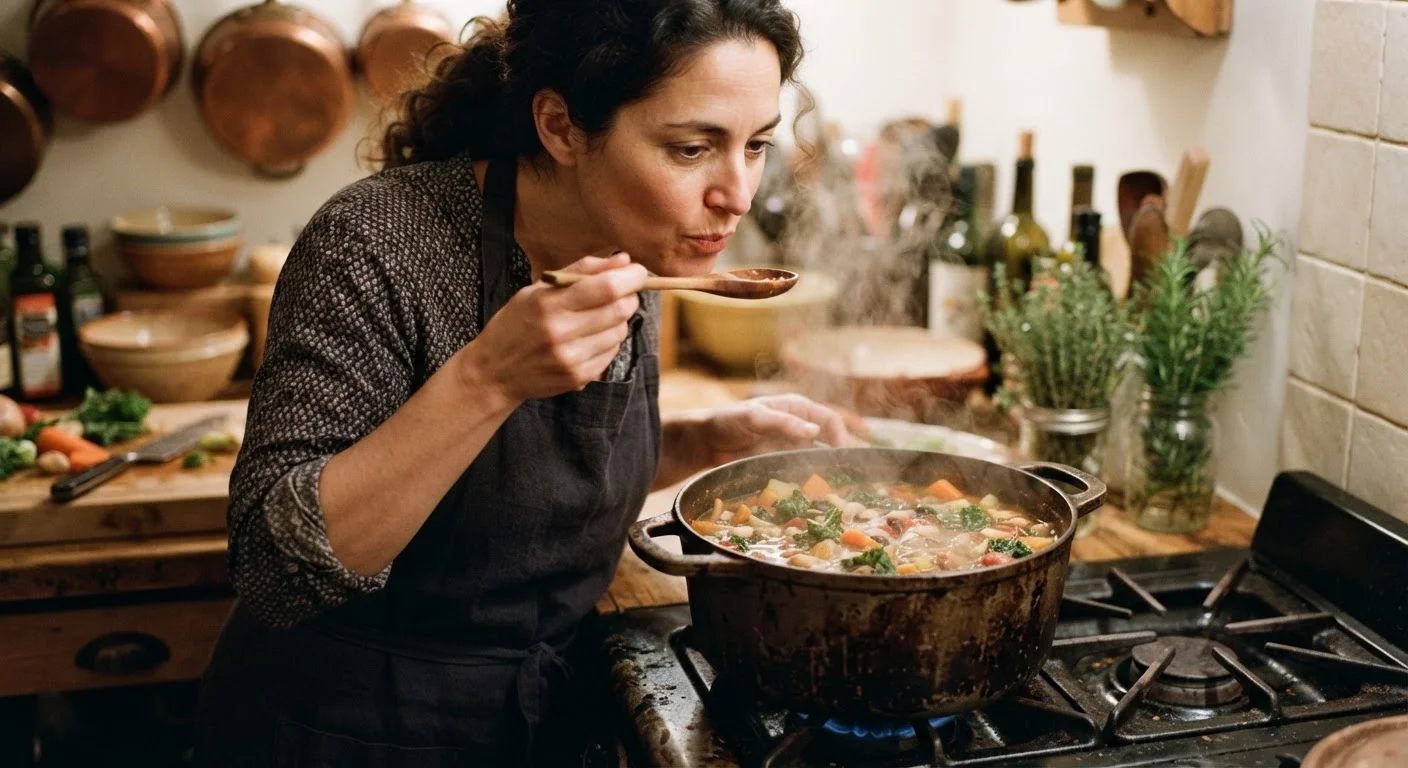
Knowing what to taste for is a skill that develops quickly with practice. When something tastes dull, work through these questions in order before reaching for the salt shaker:
- Does it need salt? Salt enhances and rounds out every other flavor. If the dish tastes flat and thin, salt is often the first fix. For a deeper look at what salt actually does at a molecular level, see our article on how salt changes food.
- Does it need acid? If the dish tastes heavy, muddy, or 'closed,' a small hit of lemon juice or vinegar often opens it up immediately.
- Does it need fat? If flavors seem present but disconnected, a small amount of butter or oil can pull everything together.
- Does it need heat or time? Some dishes simply need more time for flavors to meld, or a higher flame to drive off excess water that's diluting flavor concentration.
Salt Is Not the Only Answer
Reaching for more salt when food tastes dull is a reflex many cooks share - but it's often the wrong move. Flat flavor is frequently a sign that a dish needs acid, fat, or more aromatic depth rather than more sodium. Reflexively adding salt can push a dish into oversalted territory without fixing the underlying imbalance.
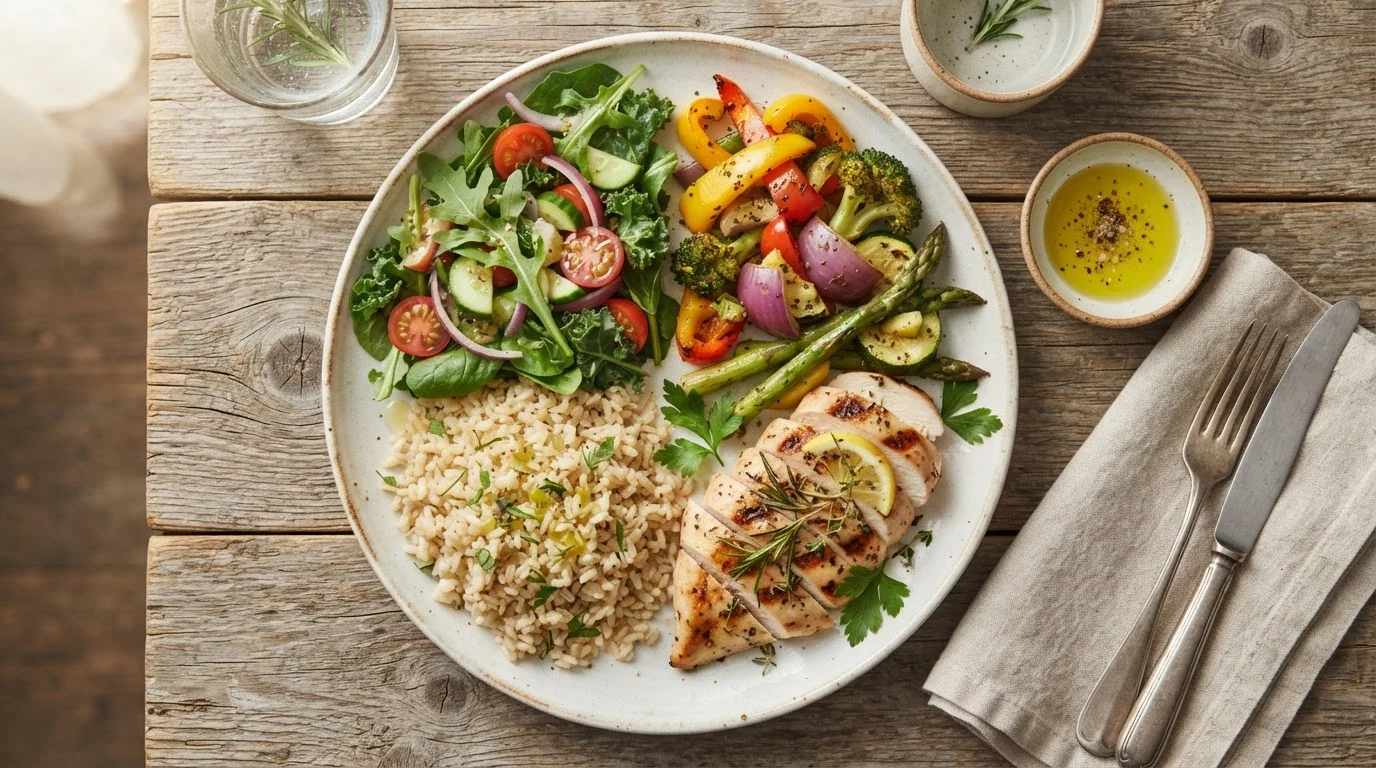
Building this kind of tasting habit also supports better overall eating patterns. Our balanced plate framework pairs well with these cooking fundamentals - because food that tastes good is food people actually eat.