Two Genres, One Shared Impulse
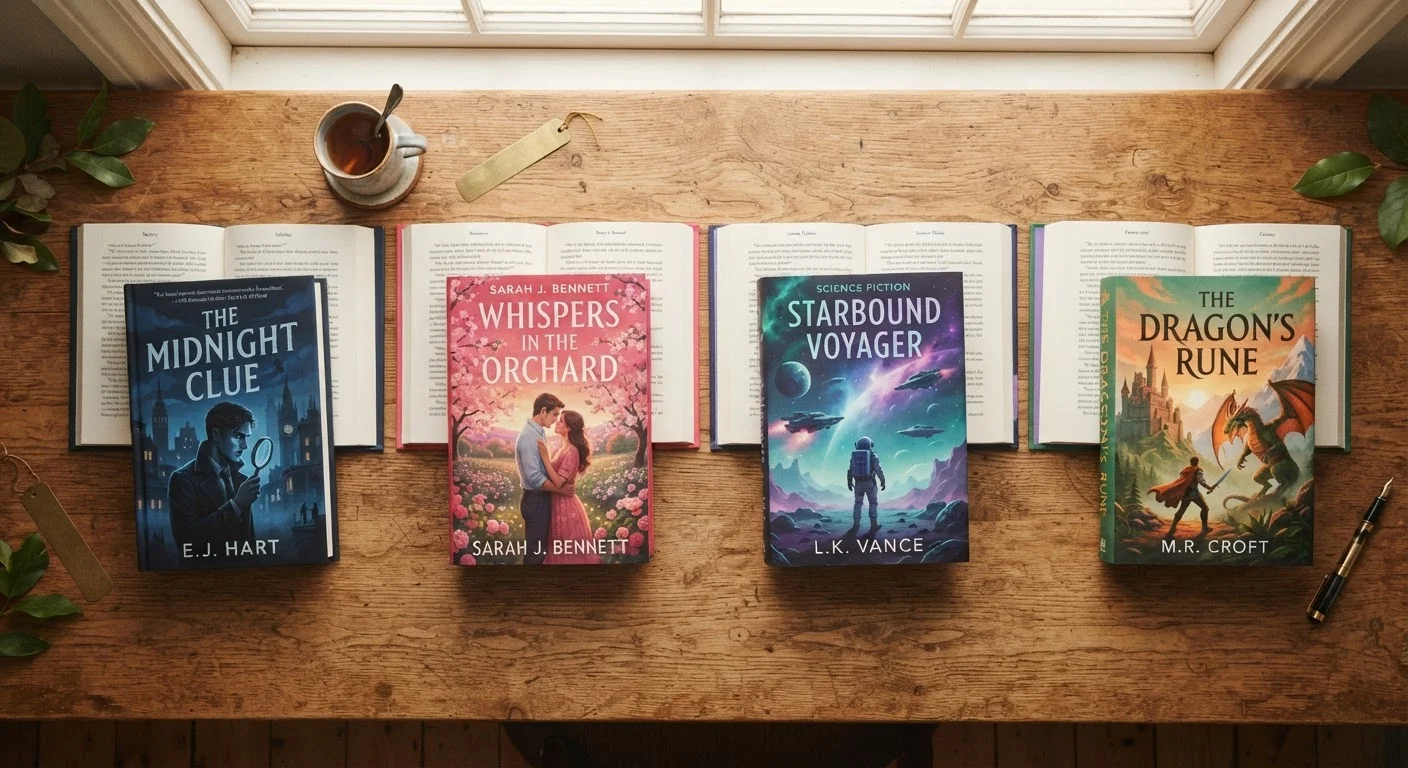
Pick up a novel set on a starship hurtling toward a distant galaxy, then pick up another set in a kingdom where wizards reshape reality with spoken words. Both feel impossibly alive. Both ask you to suspend disbelief and follow. And yet, if you've ever finished one and immediately reached for the other, you may have noticed a subtle shift in how each world feels - what it expects of you as a reader, and what it promises in return.
Science fiction and fantasy are siblings in the broader family of speculative fiction - a term used to describe stories set in worlds that don't exist as we know them. They share shelf space in bookstores, appear together at conventions, and are frequently lumped under the shorthand "SFF." But their core philosophies diverge in a way that genuinely matters when you're trying to figure out which one fits your reading mood. As explored in our look at how fiction genres shift over time, genre categories are never perfectly rigid - but understanding their foundations still helps readers find what they love.
The Foundational Difference: Logic vs. Wonder
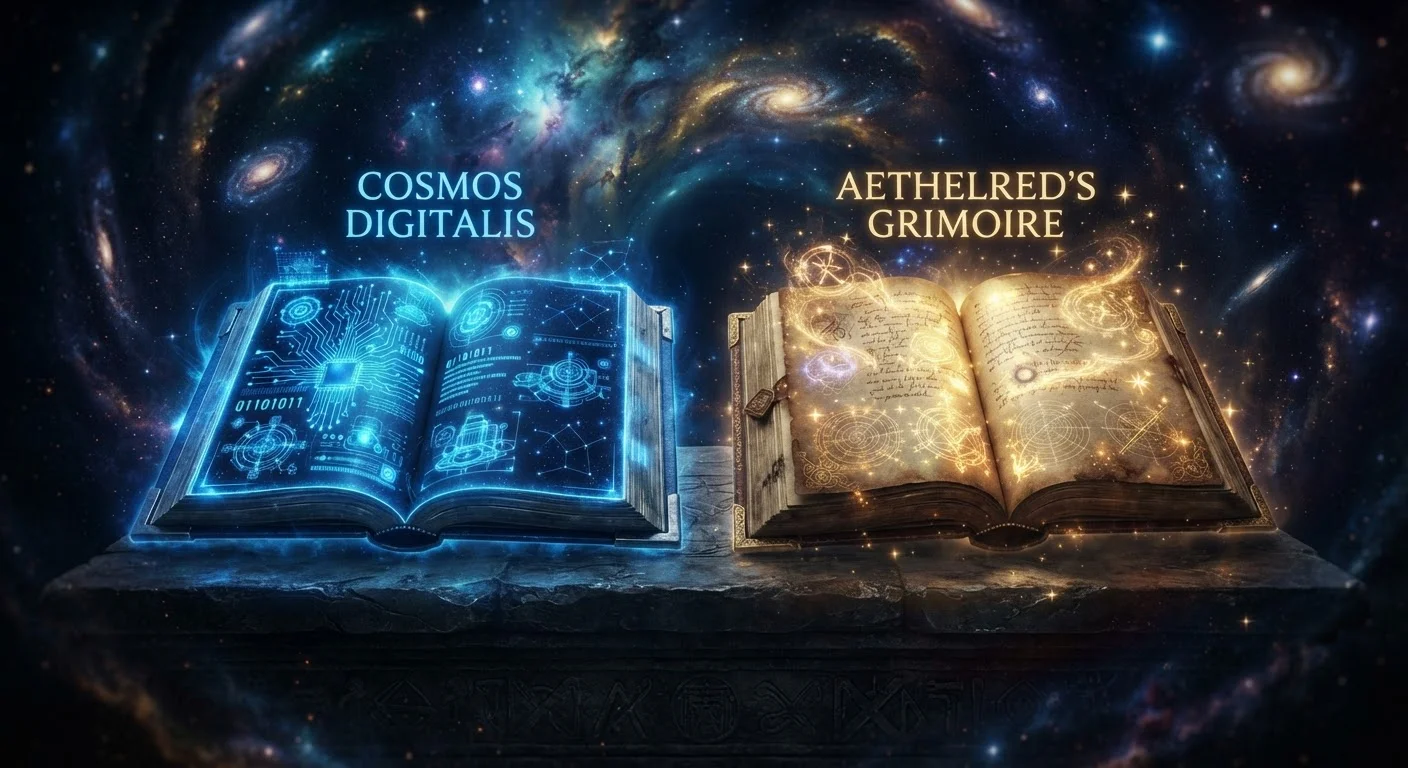
The clearest way to understand the divide is this: science fiction earns its impossibilities through rational justification; fantasy doesn't need to.
In sci-fi, a faster-than-light drive will typically come with an explanation - even if that explanation is speculative - about how it might work within a framework of physics or engineering. The genre asks readers to follow a chain of cause and effect. What if AI became self-aware? What if we colonized Mars? What if a pathogen reshaped civilization? The impossible is treated as a problem to be reasoned through.
Fantasy, by contrast, invites readers into worlds where magic simply exists - often with internal rules, but not ones tethered to real-world science. A wizard casts a spell. Dragons fly. The dead walk. The genre doesn't owe the reader a physics lecture. It asks instead for imaginative consent: accept this world on its own terms.
| Criterion | Science Fiction | Fantasy |
|---|---|---|
| Foundational logic | Scientific or technological reasoning | Magic, myth, or invented cosmology |
| Key question asked | What if science took us here? | What if the world worked like this? |
| Typical settings | Future Earth, space, alternate timelines | Secondary worlds, ancient kingdoms, mythic realms |
| Source of power or change | Technology, biology, physics | Magic systems, divine forces, ancient power |
| Reader contract | Follow the internal logic | Accept the world on its own terms |
| Cultural touchstones | Frankenstein, Dune, 1984 | The Lord of the Rings, A Wizard of Earthsea |
That distinction isn't about which genre is more serious or sophisticated - the debate over genre fiction's cultural standing has long been fraught with unfair hierarchies. It's simply about the kind of imaginative agreement each genre strikes with its reader.
Where the Lines Blur - and Why That's Worth Knowing
Here's the honest complication: plenty of beloved books don't fit cleanly into either box. Anne McCaffrey's Dragonriders of Pern series looks like fantasy - there are dragons, after all - but it's built on a science-fictional premise involving colonization and genetic engineering. Conversely, some science fiction is so distant from current knowledge that it reads more like myth than extrapolation.
Genre blending is increasingly the norm rather than the exception, and readers who find themselves loving both sci-fi and fantasy often gravitate naturally toward hybrid works. It's also worth knowing that fantasy itself has a close - and often confused - neighbor in magical realism, a distinct literary tradition that introduces fantastical elements into otherwise realistic settings without explanation or genre fanfare.
If you lean toward science fiction and want to explore its internal variety, the subgenres within sci-fi - from hard sci-fi to cyberpunk to space opera - each carry their own flavor of rational wonder. And for readers who enjoy dread alongside their speculation, horror and thriller offer yet another way speculative elements can be deployed.
The real takeaway isn't that you must choose a side. It's that knowing what each genre fundamentally offers - reasoned extrapolation versus imaginative permission - gives you a richer map of your own reading tastes. Once you understand the rules each world plays by, you'll know exactly which one to step into next.
A Note on Shared Roots
Both science fiction and fantasy trace their ancestry to ancient storytelling traditions - myths, fables, and tales of the impossible. Mary Shelley's Frankenstein (1818) is widely considered an early landmark of science fiction, while fantasy's modern form owes much to the 19th-century revival of folklore and legend. The genres diverged as industrial technology began reshaping the cultural imagination, giving science fiction a new set of real-world anchors to extrapolate from. Neither genre came first; they grew apart together.