
How the US Mobile Market Is Structured
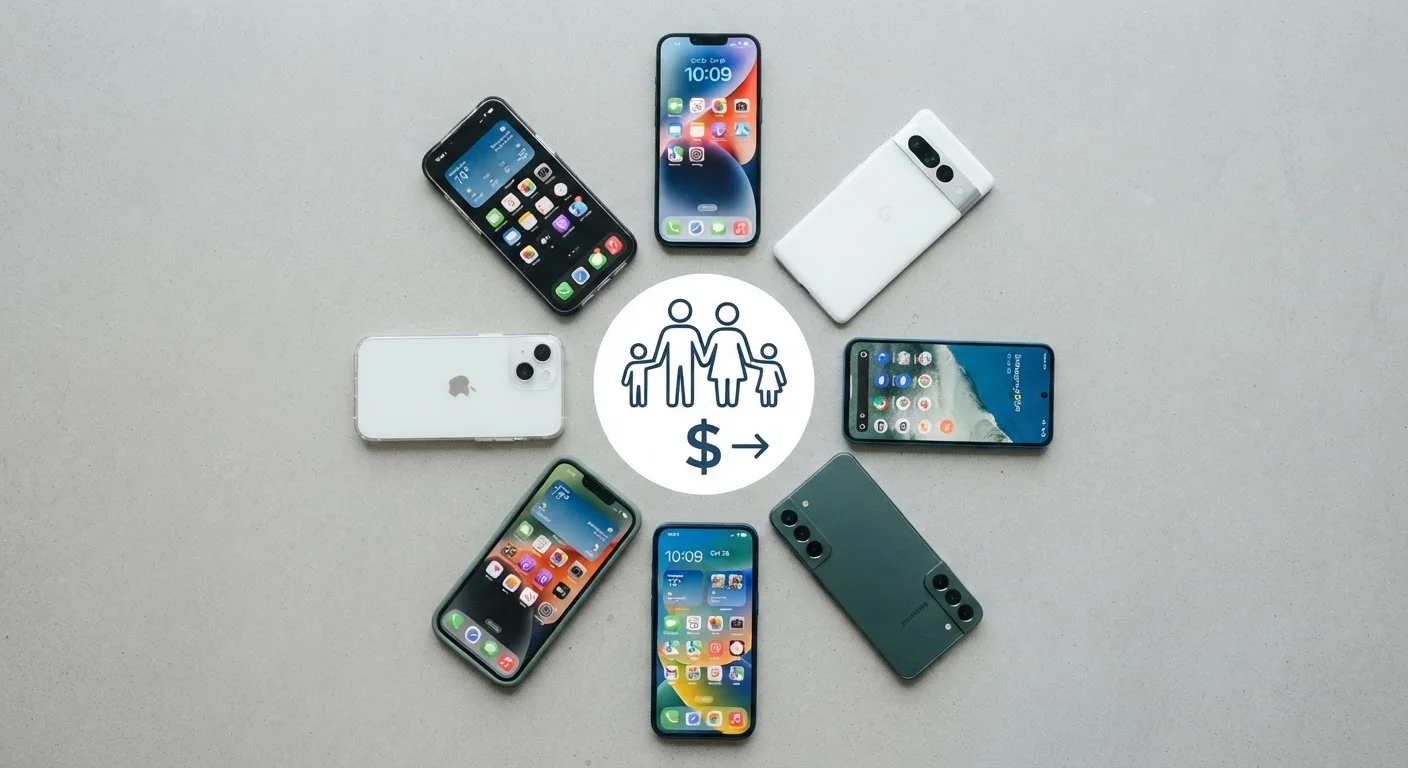
The US wireless market has two main layers. At the top are a small number of national carriers that own and operate their own radio tower networks. Below them are MVNOs - Mobile Virtual Network Operators - which are smaller companies that lease access to those networks and resell service, often at lower prices.
This means a smaller, unfamiliar-sounding carrier can still deliver reliable service if it runs on a major network's infrastructure. The trade-off is that MVNOs may receive lower data priority during congested periods. Understanding this structure helps you evaluate options without assuming that a well-known brand name automatically means better service. For a broader look at how wireless networks function, see our Networks & Coverage hub.
Types of Mobile Plans Explained
US mobile plans generally fall into two billing categories:
- Postpaid: You use the service first and receive a bill at month's end. These plans often include more features and device financing options, but typically require a credit check.
- Prepaid: You pay before your service period begins. No credit check is needed, and there's no risk of an unexpected bill. A practical starting point for newcomers to the US.
Within those categories, you'll choose a data tier. Most plans today are marketed as "unlimited," but that word is heavily qualified - see the next section. Alternatively, fixed-data plans give you a set number of gigabytes (GB) per month and are often less expensive if your usage is light.
If you're still getting familiar with the device itself, our smartphone ownership primer covers the basics of using a phone once you have a plan in place.
MVNO
A Mobile Virtual Network Operator is a carrier that doesn't own its own towers but leases network access from a major carrier and resells service, often at a lower price.
Postpaid plan
A mobile plan where you receive service first and pay a bill at the end of each month, typically requiring a credit check to sign up.
Prepaid plan
A mobile plan where you pay for service before the billing period starts. No credit check is required, and there's no risk of an unexpected bill.
Data throttling
A practice where a carrier deliberately slows your internet speed after you've used a set amount of data in a billing cycle, even on "unlimited" plans.
Data deprioritization
When a network is congested, certain customers - often those on lower-tier unlimited plans - may experience slower speeds temporarily until congestion eases.
LTE (4G)
Long-Term Evolution is the current baseline wireless technology across most of the US, providing reliable speeds for everyday tasks like streaming and browsing.
Number portability
Your legal right in the US to keep your existing phone number when switching to a new carrier, regardless of which provider you move to.
Coverage, Networks, and Why Location Matters
A plan's price means little if the signal is weak where you spend most of your time. Coverage depends on how many towers a network operates near your location, the radio frequencies used, and physical obstacles like buildings and terrain.
Before choosing a plan, use each carrier's coverage map to check your home address, workplace, and any routes you travel regularly. Indoor coverage is often weaker than outdoor coverage and varies by building material. Rural areas can have significant gaps even on major networks.
Network technology also matters. 5G offers faster speeds but is still expanding. LTE (4G) remains the reliable baseline for most of the country. A carrier that advertises 5G may only provide it in certain urban areas - check what you'll actually receive at your location, not just what's technically available somewhere on the network.
Reading the Fine Print: Fees, Contracts, and Data Policies
Advertised plan prices rarely reflect what you'll actually pay. Taxes, regulatory fees, and carrier administrative charges are added on top and are disclosed in the fine print. These additions can raise your monthly bill considerably compared to the headline number.
Data policies deserve particular attention. Most "unlimited" plans include a data deprioritization or throttling policy - once you exceed a stated threshold, your speeds may slow significantly, especially during busy network periods. Some plans also cap video streaming quality.
Contract terms vary. Many plans are now month-to-month, which offers flexibility. Device financing agreements, however, can lock you into a carrier for 24-36 months - the phone payments and the service are separate, but ending service early may affect financing terms. For a detailed breakdown of every charge you might see, our article on decoding your wireless bill walks through each line item.
Device Financing Can Lock You In
Phone financing agreements and monthly service plans are often two separate contracts, even when purchased together. If you leave a carrier before your device financing term ends, you may still owe the remaining balance on the phone in full. Always read the device financing terms separately from the service plan terms before you agree.
What to Do Before You Sign Up
Approach choosing a plan methodically rather than reacting to a promotion. A few practical steps:
- Estimate your data needs. Most users consume between 5 GB and 15 GB per month for everyday tasks. Heavy streaming or mobile gaming requires more.
- Check coverage at your specific locations - home, work, and commute - not just in general.
- Ask for the total monthly cost including taxes and fees, not just the base price.
- Read the data policy to understand throttling thresholds and any streaming restrictions.
- Confirm number portability if you're switching from an existing carrier - initiate the transfer before canceling your old service.
For a structured checklist you can use when evaluating specific plans, see what to check before committing to any mobile plan. If you plan to travel internationally, it's also worth understanding how roaming charges and speed limits work abroad before your trip.