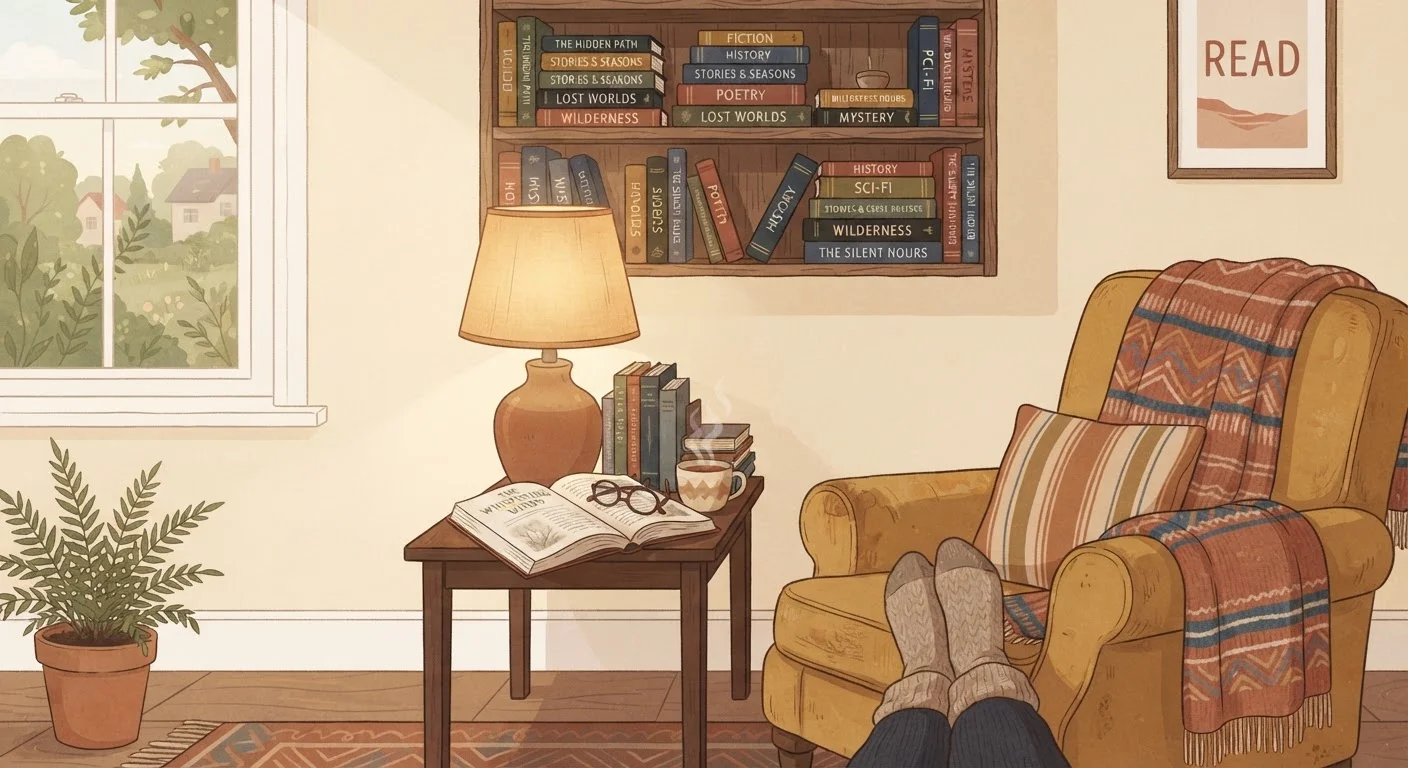

The Gap Between Wanting to Read More and Actually Doing It
Every January, millions of Americans add "read more" to their list of resolutions. Goodreads logs a surge of new reading challenges. Bookmarks get tucked into first chapters. And then, somewhere around February, life happens - the book migrates to the nightstand, disappears under a pile of mail, and the habit quietly dissolves.
This pattern isn't a character flaw. It's a structural problem. Understanding why reading habits fall apart - and what actually sustains them - starts with recognizing that motivation alone was never going to be enough. As researchers who study habit formation have long argued, good intentions rarely translate into lasting behavioral change without the right environmental scaffolding.
The mistakes readers make are remarkably consistent. Knowing them in advance is the first real advantage you have.
The Most Common Ways Reading Habits Unravel
Most reading routines don't collapse dramatically - they erode through a series of small, avoidable missteps. The mistakes below are the ones that show up most often, drawn from what habit psychology and reader experience both confirm.
Setting a page count or book number goal before the habit is established.
Why it happens: Goal-setting feels productive, and big numbers feel motivating in the moment. Readers underestimate how quickly an ambitious target becomes a source of dread rather than excitement.
Reading books you think you should read rather than books you actually want to read.
Why it happens: There's cultural pressure to tackle the classics, the award-winners, or whatever is generating conversation. Readers confuse prestige with personal fit and end up trudging through books that feel like homework.
Reading in long, infrequent sessions instead of short, daily ones.
Why it happens: Readers treat reading like a project to batch, saving it for weekends or vacations when there's "enough time." But habit research consistently shows that frequency beats duration for building automaticity.
Treating a missed day as evidence that the habit has failed.
Why it happens: An all-or-nothing mindset turns a single skipped evening into a verdict on willpower. Once readers conclude they "can't" maintain the habit, they stop trying entirely.
Having no designated reading time or place, leaving the habit to compete with everything else.
Why it happens: Readers assume they'll find time organically throughout the day. In practice, without a specific slot and setting, reading loses out to screens and other lower-resistance activities every time.
If any of these patterns sound familiar, you're in good company. The structural and psychological reasons habits unravel apply just as much to reading as to exercise or sleep. Recognizing the error is the first repair.
What Actually Keeps a Reading Habit Going
Sustainable reading routines tend to share a few quiet features that don't make for dramatic advice but genuinely work. The most durable habits are anchored - meaning they're paired with something that already happens reliably, like morning coffee, a commute, or winding down before bed. This is sometimes called "habit stacking," and it removes the need to remember or decide to read each day.
Book choice matters enormously, too. Readers who stick with a habit tend to prioritize enjoyment over prestige. That might mean genre fiction, short story collections, or anything with a pace that keeps pages turning. There's solid reasoning behind this - explored further in common reading myths that everyday readers still believe, including the mistaken idea that "serious" books are inherently more worthwhile.
26%
Americans who read no books in a year
A Pew Research Center survey found that roughly one in four American adults reported not reading a single book - in print, digital, or audio - in the prior year.
66 days
Average time for a new habit to become automatic
A widely cited study published in the European Journal of Social Psychology found it took participants an average of 66 days - not the often-quoted 21 - for a behavior to feel automatic.
Finally, readers who last give themselves permission to have bad reading days. A slump isn't a sign the habit is broken - it's a normal part of the cycle. Understanding why reading slumps happen and how to move through them can make all the difference between quitting and simply pausing.
For a more complete picture of what it takes to build a reading life that holds, the comprehensive guide to sustainable reading covers everything from book selection to tracking progress without burning out.