The Case for Classic Literature
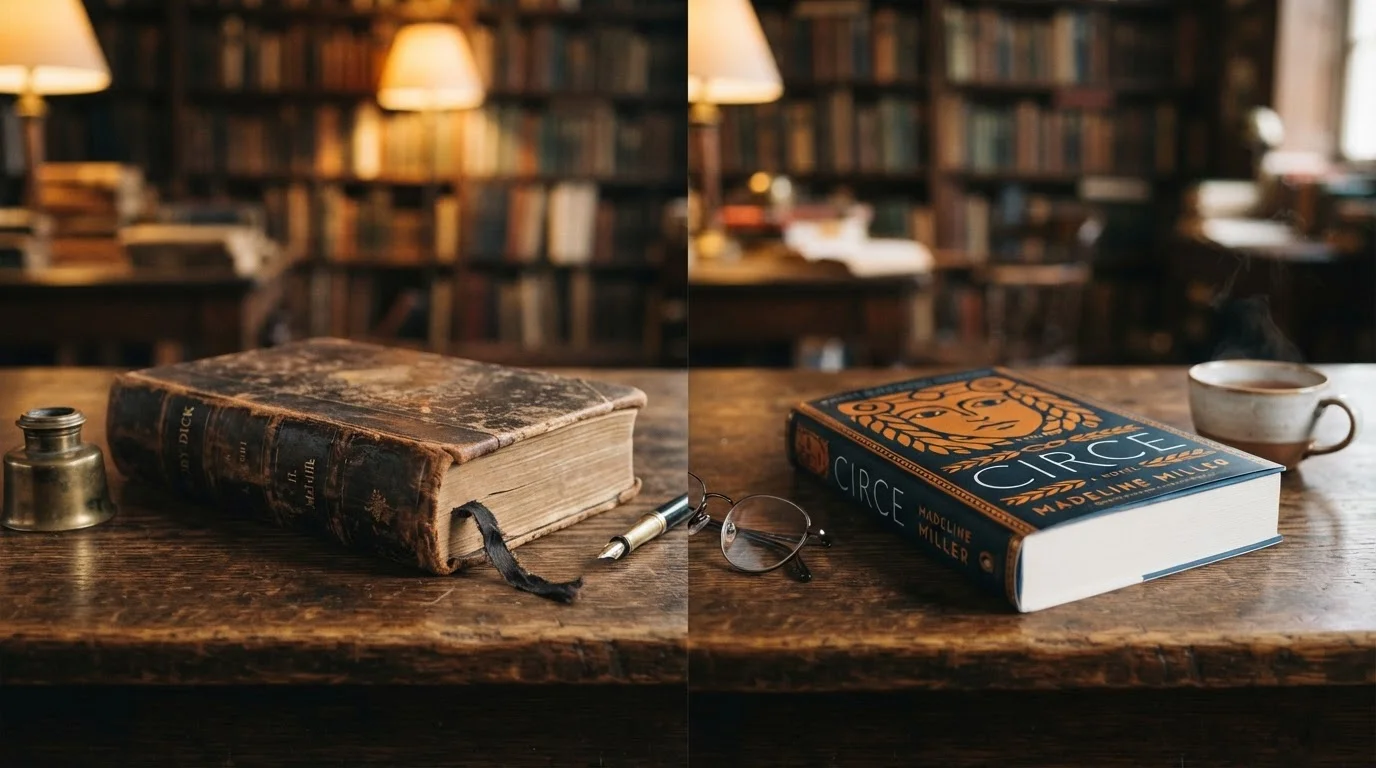
There's a reason certain books survive for generations. Classic literature - broadly, works that have endured decades or centuries of critical and popular attention - carries something that novelty simply cannot manufacture: the weight of time. When you read George Eliot or Fyodor Dostoevsky, you're not just engaging with a story; you're touching the intellectual and emotional preoccupations of another era, filtered through craft that has been tested and retested by countless readers.
One of the most underappreciated gifts of classic fiction is its ability to reveal how ideas change over time. Reading a Victorian novel, for instance, makes visible assumptions about class, gender, and selfhood that now seem foreign - and that visibility is precisely the point. It fosters the kind of historical consciousness that helps readers situate themselves within larger cultural narratives. For more on how the novel form itself shaped ideas about individualism, see what the rise of the novel tells us about modern individualism.
Classic literature also tends to reward slow, attentive reading. The language is often denser, the narrative structures more deliberate. That's not a flaw - it's a different kind of engagement that strengthens reading stamina and expands a reader's sense of what prose can do.
What Contemporary Fiction Does Differently
Contemporary fiction - generally understood as work published within the last few decades - has something classics cannot offer by definition: proximity. These books live in the same cultural moment as their readers. They process recent traumas, reflect evolving social norms, and give voice to communities that the traditional literary canon largely excluded.
The diversity of contemporary fiction is not a minor footnote. It represents a genuine expansion of whose stories get told and how. Writers from Indigenous, immigrant, LGBTQ+, and working-class communities are producing fiction that engages with American life from angles that were systematically underrepresented in earlier eras. That expansion matters - both for the readers who see themselves in these pages and for those encountering unfamiliar perspectives. For a deeper look at how the canon was constructed and who got left out, reading the canon offers useful context.
Contemporary fiction also experiments more freely with form. Fragmented narratives, unreliable timelines, hybrid genres - these techniques reflect a culture that processes reality in nonlinear ways. It's fiction built for now, and that immediacy is a genuine strength, not a consolation prize.
| Classic Literature | Contemporary Fiction | |
|---|---|---|
| Perspective on time | Historical depth, long cultural view | Immediate, reflects current moment |
| Voice diversity | Historically narrow, dominated by Western canon | Broader, more inclusive range of voices |
| Language & style | Often formal, dense, and deliberate | Varied; frequently experimental or conversational |
| Cultural relevance | Reveals how past shaped the present | Processes present-day social realities |
| Quality filter | Time-tested by generations of readers | Still being evaluated; market influences apply |
| Accessibility | Can require background knowledge or patience | Generally easier to enter without prior context |
Where Each Tradition Falls Short
Honest comparison means naming the limitations on both sides. Classic literature, as a category, carries a significant bias problem. What gets labeled a 'classic' has historically reflected the preferences of a narrow gatekeeping class - predominantly white, Western, and male. The canon is not a neutral archive of the best writing humanity produced; it's a curated collection shaped by specific social forces. As debates about the literary canon make clear, treating it as self-evidently authoritative is a mistake.
Contemporary fiction has its own vulnerabilities. Without time as a filter, it can be harder to distinguish the genuinely lasting from the merely trendy. Publishing markets respond to commercial pressure, and that can skew which contemporary voices get amplified. The fiction that dominates conversation in a given year isn't always the work that will hold up. This is one reason the line between literary and genre fiction is worth examining - see the shifting line between literary and genre fiction for more on that tension.
Neither tradition is a reliable shortcut to quality. Both require a reader willing to make discerning choices.
Why the Conversation Between Both Matters
The most generative approach isn't choosing a side - it's reading across the divide deliberately. Classics provide the deep roots; contemporary fiction tends the living tree. A reader who engages with both can spot how contemporary writers are in dialogue with older traditions, borrowing from and pushing back against the forms they inherited.
This conversation also connects literature to its broader cultural function. Stories have always been the way communities process shared experience - oral and written traditions both serve this purpose, and the tension between classic and contemporary fiction is really just the latest chapter in an ongoing negotiation about which stories a culture chooses to carry forward.
Practically speaking, pairing a classic with a contemporary work that responds to it - reading Jane Eyre alongside a modern novel that revisits its themes, for instance - can be one of the richest reading experiences available. It turns literary history into a living conversation rather than a museum exhibit. For readers curious about how genres themselves evolve through this kind of ongoing dialogue, understanding the DNA of a literary genre adds another useful layer.