The Scale of the Problem
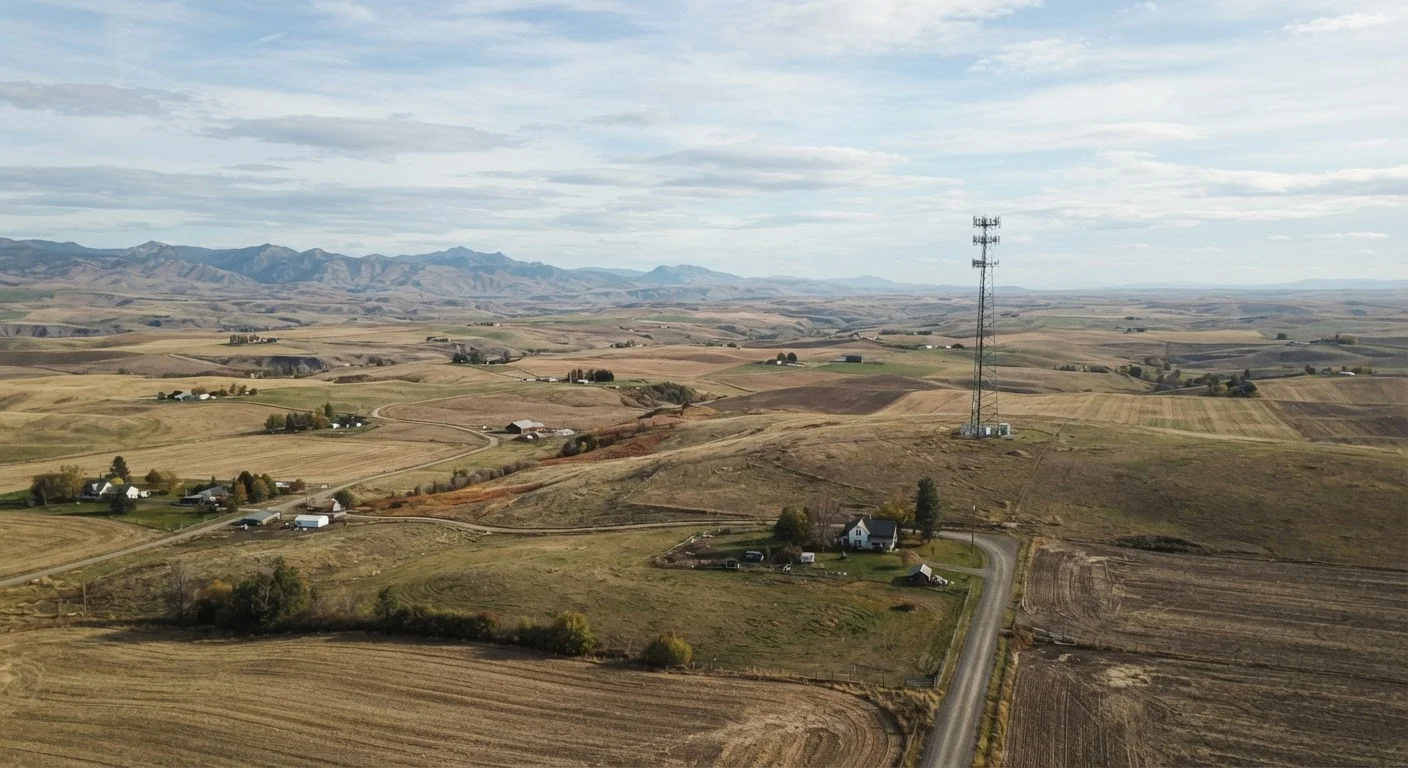
Mobile coverage in the United States looks comprehensive on a national map - but those maps tell a misleading story. The country's land area is enormous, and the vast majority of cell towers are clustered where people are most concentrated. Drive an hour outside most mid-sized cities and the signal bars on your phone begin to disappear.
Federal Communications Commission (FCC) data has consistently shown that tens of millions of Americans lack access to reliable mobile broadband. The problem is especially acute across the Great Plains, Appalachia, and large sections of the rural West. For residents of these areas, dropped calls are not an inconvenience - they are a daily reality that affects work, safety, and access to emergency services.
For a closer look at why signals fail at the edges of coverage areas, see why rural and suburban areas lose cell signal.
21M+
Americans lacking reliable broadband or mobile access
According to FCC coverage assessments, though independent researchers often cite higher figures when using on-the-ground testing data.
~$150K-$300K
Estimated cost to build a single cell tower
Industry estimates vary; costs rise significantly in remote or difficult terrain due to equipment transport and installation complexity.
600 MHz
Low-band frequency used for rural 4G/5G coverage
Low-band spectrum travels farther and penetrates obstacles better, making it the primary tool for extending coverage into rural areas.
Why Carriers Don't Simply Build More Towers
The core problem is economic. A cell tower costs hundreds of thousands of dollars to build and tens of thousands of dollars per year to operate. Carriers recoup those costs through subscriber fees. In a dense urban neighborhood, a single tower might serve thousands of paying customers. In a rural county, that same tower might serve a few hundred - or fewer.
The math rarely works in favor of rural investment without outside support. Carriers are private businesses, and their infrastructure spending tends to follow population density. This is not unique to telecom: the same dynamic affects broadband internet, banking branches, and grocery stores in low-density areas.
Regulatory requirements and government subsidies exist specifically to address this market failure, but they do not fully close the gap. Permitting a new tower involves local zoning approval, environmental review, and coordination with landowners - a process that can take years even when funding is available.
Geographic and Technical Barriers
Even when a carrier wants to expand rural coverage, the land itself often works against them. Cell signals travel in straight lines and are absorbed or reflected by mountains, dense forest, and even heavy rain. A single tower can cover many miles of flat farmland, but rugged terrain may require multiple towers to cover the same geographic distance.
The technology generation matters here, too. 4G LTE uses a mix of frequency bands. Lower-frequency bands - such as 600 MHz or 700 MHz - travel farther and penetrate obstacles better, making them the foundation of rural coverage strategies. Higher-frequency bands carry more data but fade quickly over distance.
5G has introduced fresh complexity. The fastest version of 5G uses millimeter wave frequencies that cannot even pass through walls reliably. The low-band version of 5G is more suitable for rural areas but offers only incremental improvement over 4G LTE in most real-world conditions. Rural communities waiting for 5G to solve their coverage problems may find the benefit more modest than marketed.
Coverage maps often fail to capture these realities. Carrier coverage maps have real limitations worth understanding before relying on them to make decisions.
What Efforts Are Underway - and What They Can't Fix Quickly
Federal and state governments have recognized the rural coverage gap as an infrastructure problem, not just a market preference. The FCC's Universal Service Fund channels billions of dollars annually toward connecting underserved areas, and recent federal infrastructure legislation has allocated additional funding specifically for broadband and mobile expansion.
These programs help, but progress is slow. Building physical infrastructure across thousands of square miles takes time, especially in remote terrain. Local opposition to tower placement - often driven by aesthetic or property-value concerns - can delay or block projects. And some of the most remote communities remain genuinely difficult to serve economically regardless of subsidy levels.
Satellite-based services have expanded as an alternative, reaching places no ground tower can. But higher latency and equipment costs make them an imperfect substitute for many households. The coverage gap is a layered problem, and no single technology or policy tool closes it entirely.
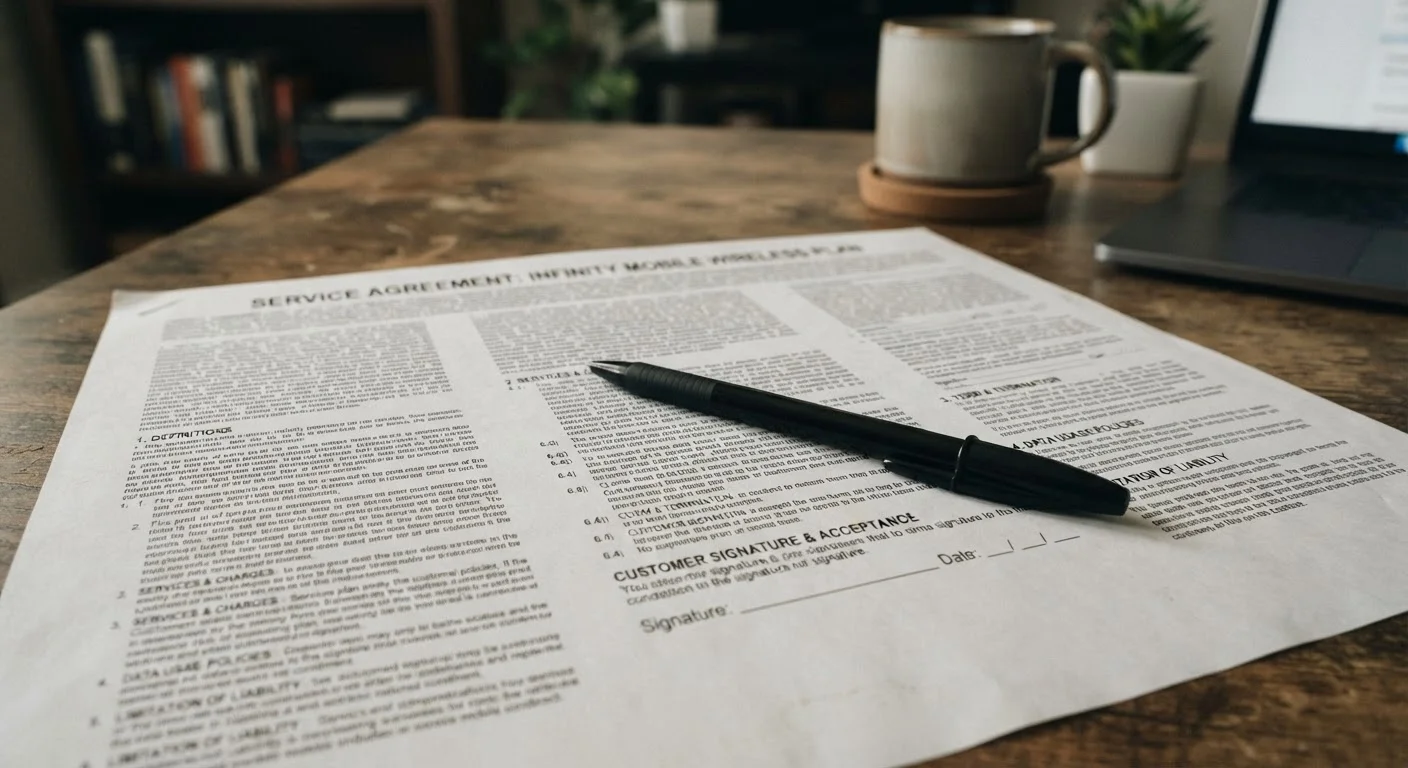
Understanding what carriers actually commit to - and what they leave out - is worthwhile context here. See what mobile carriers often leave unsaid in their plans for a broader look at how coverage commitments are structured.
This article is for general informational purposes only. Coverage availability, subsidy programs, and regulatory details change over time and vary by location. Consult carrier coverage tools and local resources for the most current information in your area.