Why Poetry Feels Intimidating (and Why That's Totally Normal)
Most of us had our first real encounter with poetry in a classroom, where a teacher asked what a poem meant - as though there were a single locked-away answer waiting to be found. That framing does more harm than almost anything else in literary education. It turns poetry into a puzzle with a hidden key, rather than a conversation you're already equipped to join.
The truth is that poetry isn't harder than other literature; it's just different. Poems compress language the way a good recipe compresses flavor - every element pulls weight. If you've ever felt confused at the end of a poem, you haven't failed. You've simply encountered writing that asks to be read more than once, more slowly, and with different expectations than a novel or news article.
Think of it this way: experienced readers approach difficult texts with specific strategies, not raw intellect. Poetry is no different. What follows is a practical approach that strips away the intimidation and helps you build a genuine relationship with verse - on your own terms.
What You'll Need Before You Begin
No special tools are required, but a few small preparations make a meaningful difference.
What you will need
Once you have these basics in place, you're ready to move through the steps. Don't worry about having literary expertise - curiosity and a willingness to sit with uncertainty are the only skills that truly matter here.
Step-by-Step: How to Read a Poem
Work through each step in order the first time you try this. With practice, the process becomes instinctive.
Read the Poem Once All the Way Through - Without Stopping
Don't pause to look up words or untangle difficult lines. Simply let the poem move over you like a piece of music you're hearing for the first time. Notice your emotional response: Are you curious? Unsettled? Quietly moved? Bored? All of those reactions are data.
Read It Again - This Time Out Loud
Sound is where poetry lives. Reading aloud reveals rhythm, repetition, and tonal shifts that the eye skips over silently. Even a quiet murmur is enough. Pay attention to where you naturally pause, where the lines break, and which words carry weight. If a phrase trips you up vocally, that's usually intentional - the poet wanted you to slow down there.
Annotate: Mark What Hits You and What Confuses You
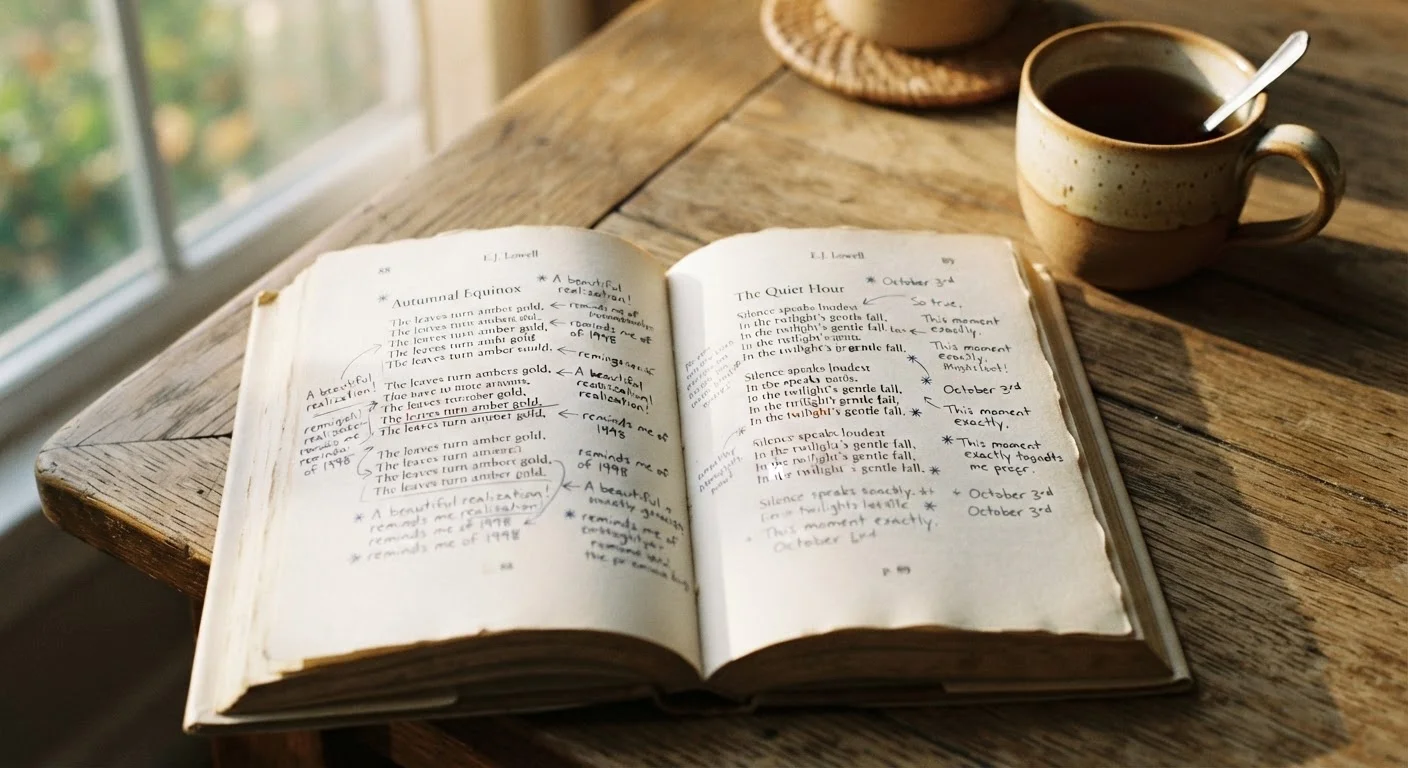
On a third read, use your pen. Circle images that feel vivid or strange. Underline lines that produce a physical or emotional response. Put a question mark beside anything that seems unclear. Don't try to interpret yet - just track your honest reactions. These marks become your map for the real work of reading.
Ask Three Simple Questions About the Poem
After annotation, pause and work through these: Who is speaking? (This may not be the poet.) What situation or tension is being described? And what changes - in feeling, in understanding, in scene - from the poem's beginning to its end? Most poems hinge on some kind of shift or turn. Finding that turn often unlocks the poem's emotional logic without requiring you to decode every image.
Sit With What the Poem Made You Feel - Not Just What It Meant
Meaning in poetry is rarely singular. What matters as much - often more - is the emotional or sensory experience the poem creates. Ask yourself: What did this poem remind you of in your own life? What image stayed with you? If you were to describe the poem's mood in a single word, what would it be? These personal responses are valid interpretations, not substitutes for real understanding. They are real understanding.
Build a Small Reading Practice
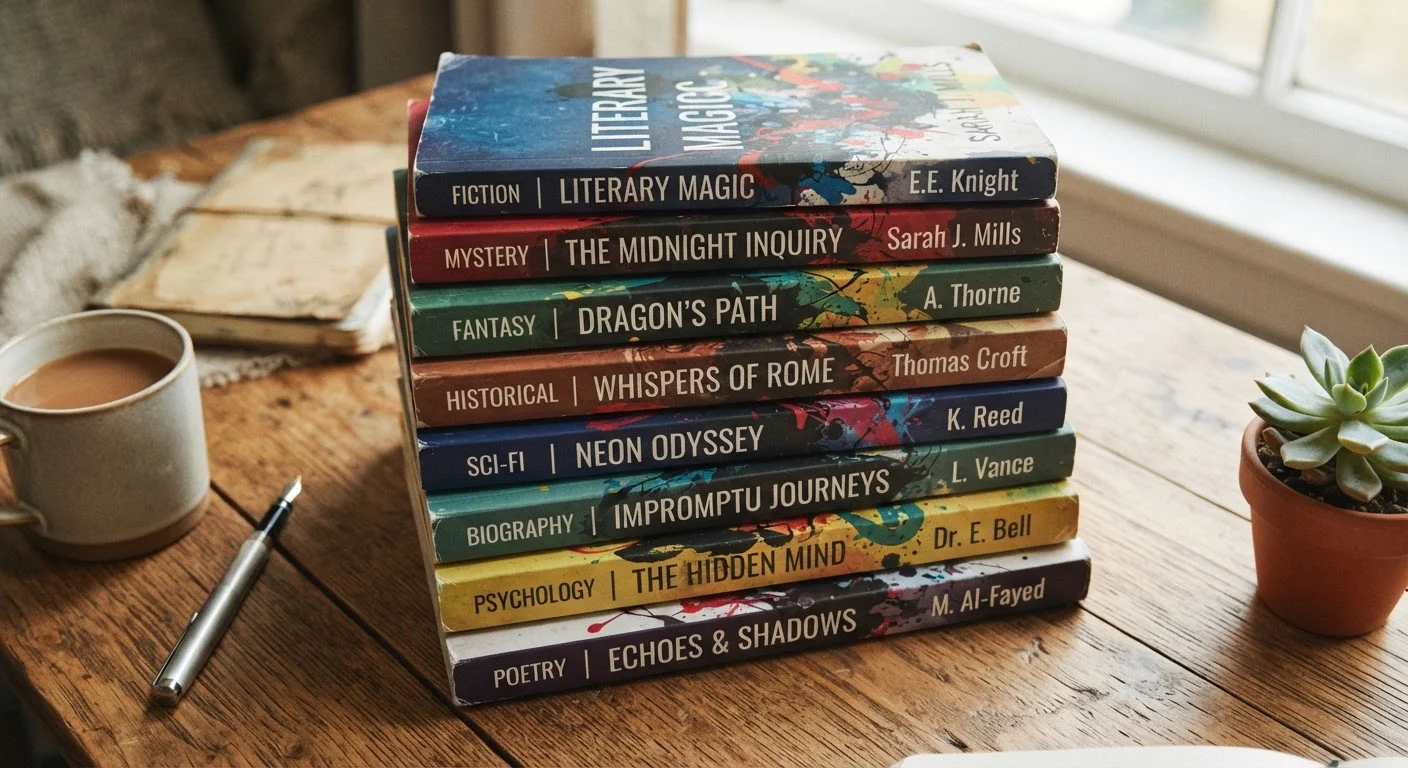
Poems are short enough to read during a coffee break, a commute, or before bed. Reading one poem a day - without pressure to analyze - builds familiarity and comfort with poetic language faster than any single study session. Many readers keep a small anthology on their nightstand just for this purpose.
If you find yourself building a genuine appetite for reading more broadly, starting a reading life from scratch is a natural companion to this guide - especially if poetry is the spark that's drawing you in.
When You Still Feel Stuck
Even after several readings, some poems will remain opaque - and that's okay. A few approaches help when you hit a wall. Look up unfamiliar words or references; poets like Gerard Manley Hopkins or Gwendolyn Brooks embed specific cultural and historical detail that unlocks meaning once you know the context. Check who the poet is and when the poem was written. Historical distance can explain word choices, line structures, and subjects that otherwise seem arbitrary.
You might also simply set the poem aside and return to it another day. Poems are not time-sensitive; they will wait. Readers who feel burned out on any reading - poetry included - often find that understanding reading slumps helps restore momentum. Sometimes what feels like confusion is actually fatigue, and rest is the real remedy.
Most importantly, resist the urge to grade yourself on comprehension. A poem that moves you emotionally has done its job - even if you couldn't paraphrase a single stanza.