
Genres Were Never Fixed to Begin With
It's tempting to think of literary genres as neat, stable containers - that mystery always looks like mystery, that romance has always meant the same thing. But a glance at literary history quickly dismantles that idea. The thriller as we know it today would be unrecognizable to readers in the 1890s. Science fiction spent much of the early 20th century as pulp magazine material before academia and the mainstream embraced it. Even the novel itself, now the default literary form, was once a radical newcomer.
Understanding why genres change starts with recognizing what they actually are: social agreements. A genre is a set of shared expectations between writers, publishers, and readers. Those expectations shift whenever the culture shifts - and culture never holds still. If you want a deeper look at what holds any genre together in the first place, our piece on the DNA of a literary genre breaks down the underlying mechanics.
The Forces That Drive Genre Change
Several distinct pressures tend to reshape literary categories, often working simultaneously.
Cultural and Historical Shifts
Major social changes - wars, technological revolutions, civil rights movements, economic upheavals - regularly redirect what stories readers hunger for. Horror fiction surged and transformed during the Cold War partly because nuclear anxiety needed a container. The rise of the novel itself is closely tied to 18th-century shifts in how Western societies understood selfhood and individual experience.
Author Experimentation
Individual writers can single-handedly crack a genre open. When an author delivers something that breaks conventions but still earns devoted readers, it signals that the genre's boundaries are negotiable. Publishers pay attention, other writers follow, and a new set of conventions gradually accumulates. The result, over time, is a meaningfully different genre wearing the same name.
Market and Publishing Pressures
Commerce shapes categories in ways that are easy to underestimate. When a particular type of book sells at scale, publishers develop imprints and marketing language around it. Reader communities form around those labels. Booksellers shelve accordingly. Each of these decisions calcifies certain conventions while leaving room - or creating demand - for variation. The distinction between literary fiction and genre fiction has long been shaped by these market forces, a dynamic explored in depth in our article on literary fiction vs. genre fiction.
~200 years
Age of the modern genre novel
Literary historians generally trace the consolidation of distinct fiction genres - mystery, romance, adventure - to the early 19th century, though earlier precursors existed.
4,000+
Genre and subgenre labels tracked by major retailers
Digital bookselling platforms now use thousands of granular genre and subgenre tags, reflecting how fragmented and specialized reader categories have become.
30-40 years
Typical span for a major genre transformation
Literary scholars observe that significant genre shifts - enough to change core conventions - often take several decades to fully consolidate, though acceleration is possible in response to major cultural disruptions.
What Genre Evolution Looks Like in Practice
Genre evolution rarely announces itself. More often, readers notice in retrospect that a category feels different than it did a decade ago. Romance, for example, has shifted substantially in tone, representation, and structural expectations over the last thirty years. Contemporary romance is far more likely to center diverse protagonists, explore unconventional relationship structures, and resist tidy happily-ever-after formulas than the genre's earlier commercial incarnations.
Similarly, the thriller has absorbed elements of domestic drama, climate anxiety, and psychological interiority that weren't considered core to the category two decades ago. These absorptions don't erase what came before - they layer new conventions on top of old ones, producing a genre that contains multitudes.
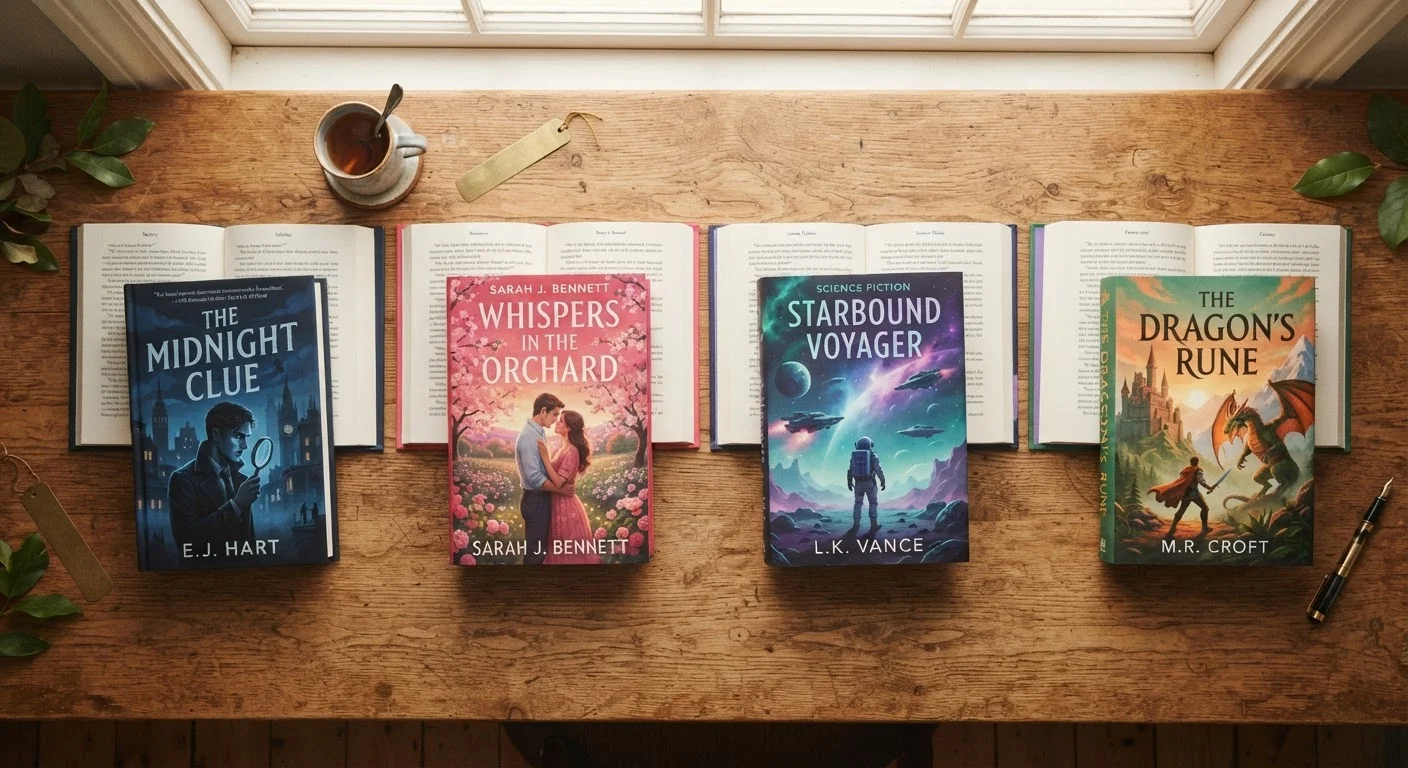
Sometimes the result is a formal split: the parent genre spawns subgenres distinct enough to carry their own labels. 'Cozy mystery' and 'hardboiled noir' both live under the mystery umbrella, but they promise readers almost opposite reading experiences. Our major book genres overview shows how broad a single genre label can actually be.
At the furthest edge of genre evolution lies the hybrid - a work that blends two or more categories so thoroughly that it refuses easy classification. These books often mark turning points. For a closer look at how that blending works, see our piece on genre blending and cross-genre fiction.
Using Genre Evolution to Find Your Next Great Read
For readers, understanding that genres evolve is genuinely practical knowledge. If you tried a genre years ago and bounced off it, the version of that genre circulating today might be quite different - different enough to be worth another look. Literary horror in the 2020s draws on character psychology and social critique in ways that set it well apart from the shock-driven horror of earlier decades.
Paying attention to subgenre labels - cozy fantasy, climate fiction, upmarket fiction - is one of the clearest signals of where a genre currently lives. Award shortlists are another reliable guide; they tend to reflect the leading edge of where a category is heading rather than where it has been. And if you're curious about what to expect before stepping into unfamiliar territory, our guide to genre conventions readers should know can help set expectations before you commit to a new category.
Genres will keep changing - that's a feature, not a flaw. A literary landscape that stays put is one that stops reflecting human experience. The categories that endure are the ones flexible enough to absorb what the world keeps producing.